Smart Pipe Maintenance Tips for High-Humidity Homes
High-humidity homes face unique challenges that can accelerate pipe corrosion, leaks, and mold growth. Proper pipe maintenance is essential to prevent costly damage while ensuring the safety of your family. Homeowners in Southern Illinois need practical, actionable guidance tailored to their climate and homes.
Moisture in the air constantly interacts with metal pipes, encouraging rust and weakening connections over time. Mold can develop on damp surfaces, especially in basements and bathrooms, creating health risks. Implementing a routine maintenance schedule can significantly reduce these issues while protecting your investment.
How Can You Maintain Pipes Effectively in Humid Conditions?
Routine pipe maintenance in humid homes requires awareness and consistency. Regular inspections help identify early signs of wear, corrosion, or leaks before they escalate. Simple steps like monitoring moisture and tightening loose connections keep systems reliable and safe.
Smart Pipe Maintenance: Inspect Pipes and Fixtures Regularly
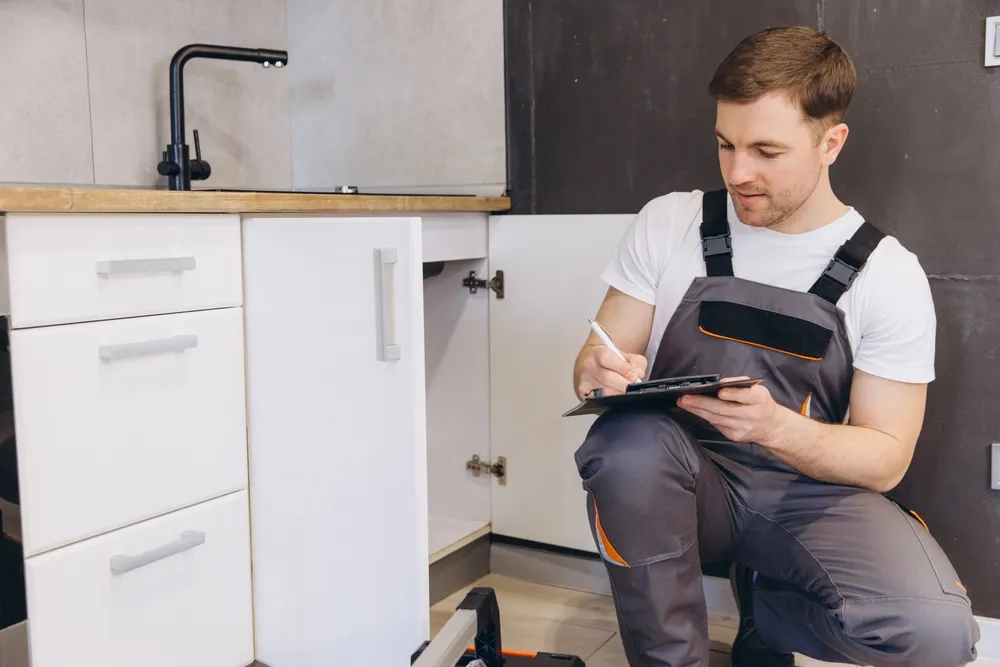
Checking visible pipes for water spots, rust, or leaks is a key part of regular pipe maintenance. Inspect joints, elbows, and connectors for wear, which often occurs first in high-humidity environments. Additionally, watch for musty odors that indicate hidden leaks and potential mold growth.

Using affordable tools like moisture meters and flashlight inspections allows homeowners to detect problems early. Visual checks combined with tactile assessments can reveal subtle issues in exposed pipes. Implementing this routine monthly improves pipe longevity and reduces emergency repairs.
Pay special attention to bathroom and basement plumbing where humidity levels are highest. Correcting small leaks promptly maintains water quality and prevents structural damage. Homeowners also benefit from maintaining optimal ventilation in these areas to reduce condensation.
Keep Basements and Bathrooms Well-Ventilated
Excess moisture accelerates pipe corrosion and promotes mold in confined spaces, making pipe maintenance essential. Installing exhaust fans and using dehumidifiers help regulate humidity effectively. Ventilation ensures both pipes and indoor air quality remain in good condition.
Proper airflow around plumbing lines discourages condensation from forming on metal surfaces. Opening windows or vents during humid months reduces trapped moisture. Consistently monitoring indoor humidity levels can prevent long-term damage to plumbing systems.
Basement plumbing requires special care due to higher humidity and colder temperatures. Following the best basement plumbing maintenance tips supports effective pipe maintenance and keeps systems functional. Routine inspection and preventive upgrades protect both property and family health.
Detect Early Signs of Corrosion and Wear
Early detection of corrosion and wear is essential for keeping plumbing systems safe and functional. Subtle signs often appear before leaks or major damage occurs, making regular checks important. Homeowners who understand what to look for can address issues quickly and reduce repair costs.
Here are five ways to detect early signs of corrosion and wear:
Look for green or white mineral deposits on metal pipes, which indicate corrosion is beginning.
Watch for rust spots, flaking, or discoloration that may weaken pipe integrity over time.
Monitor water pressure regularly, as sudden drops can signal hidden leaks or internal corrosion.
Use simple tools like pipe wrenches and inspection cameras to identify hard-to-see damage.
Apply rust-resistant coatings or insulate exposed pipes to slow deterioration in humid areas.
Regular monitoring and preventive action enhance pipe maintenance and prolong plumbing lifespan. Addressing issues early keeps systems efficient and reduces the risk of unexpected emergencies.
Maintain Water Heater and Sump Pump Systems
Basement water heaters and sump pumps are particularly vulnerable in humid homes. Regular flushing of sediment, checking temperature settings, and inspecting for rust protects functionality. Properly maintained systems prevent leaks and flooding during high-humidity periods.
Testing sump pumps and their backup systems is an important part of both pipe maintenance and sump pump maintenance. Cleaning discharge lines and confirming battery backups keeps basement plumbing reliable and safe. Regular attention to these systems prevents costly water damage and ensures peace of mind.
Upgrading older water heaters with corrosion-resistant components enhances efficiency and reliability. Insulated lines reduce temperature fluctuations and discourage condensation buildup. These efforts contribute to overall household safety and comfort.

Simple Preventive Care Tips for Pipe Maintenance
Maintaining healthy plumbing requires consistent attention to prevent costly repairs and ensure family safety. Effective pipe maintenance involves small, routine actions that protect both pipes and the home environment. Homeowners who adopt preventive habits enjoy long-lasting, reliable plumbing systems.
Here are eight simple preventive care tips for long-term pipe health:
Tighten loose connections regularly to prevent leaks and reduce strain on joints.
Replace worn or cracked hoses before they fail to maintain water flow and safety.
Monitor for small leaks around faucets, sinks, and visible pipes to catch issues early.
Inspect and clean drains monthly to maintain proper water flow and prevent clogs.
Use dehumidifiers or ventilation in humid areas to reduce moisture and corrosion.
Apply enzyme-based cleaners to pipes as a safe, natural method for keeping drains clear.
Install backflow prevention devices and upgrade outdated components to protect water quality.
Schedule annual professional inspections to detect hidden problems and extend pipe lifespan.
Regular preventive care is a key part of effective pipe maintenance, keeping plumbing systems efficient and avoiding emergency repairs. Following these steps supports long-term home safety while reducing maintenance costs over time.
Ensuring Long-Term Pipe Health and Home Safety
Maintaining pipes in high-humidity homes can feel overwhelming, but simple routines make a significant difference. Homeowners who inspect regularly, ventilate bathrooms and basements, and monitor moisture enjoy safer, longer-lasting plumbing. Implementing these steps reduces risk while creating peace of mind for families.
For expert inspection, repair, and ongoing pipe maintenance, Good Guys Plumbing can help keep your family safe and your home protected. Contact us today to schedule a consultation with a trusted team dedicated to Southern Illinois homeowners. Rely on our decades of experience to guide preventive care and emergency response efficiently.
