
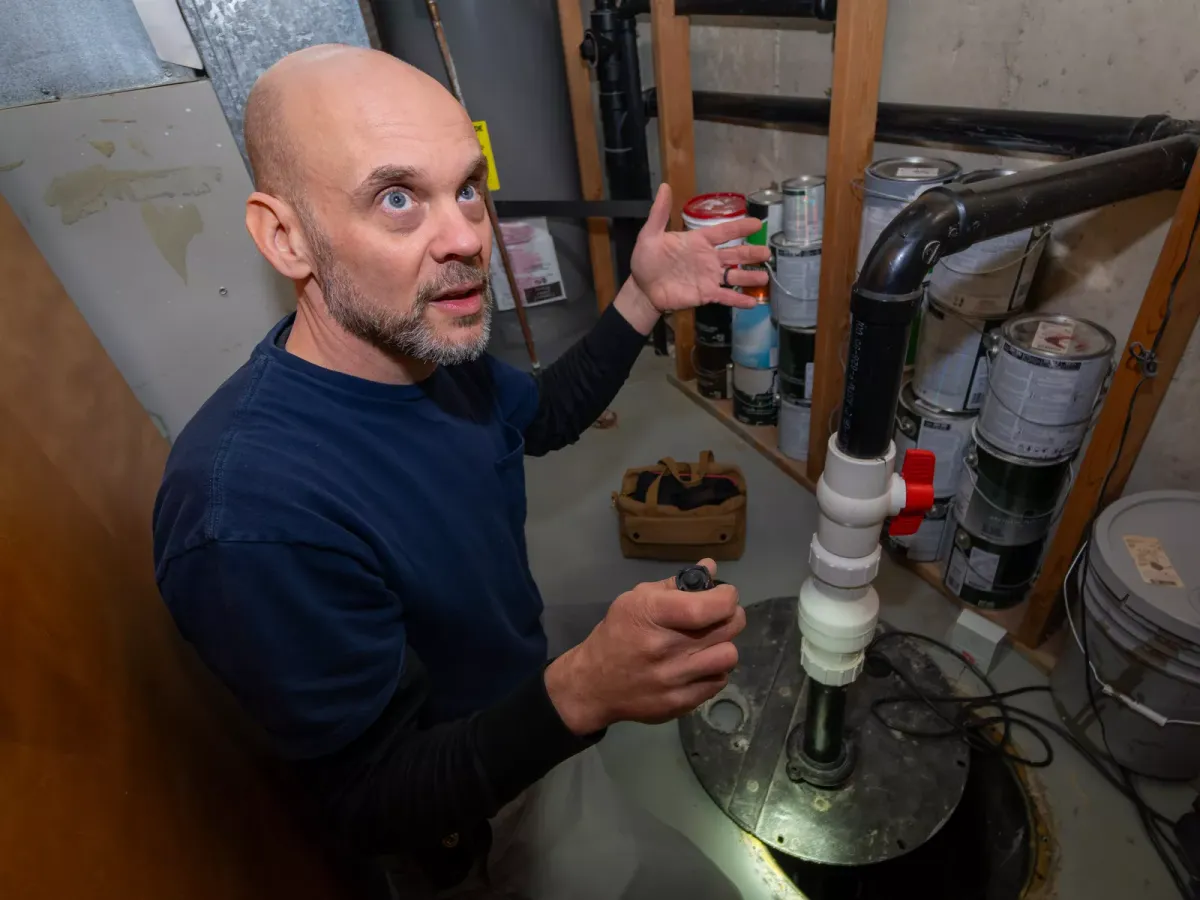
Sump Pump Maintenance: Protect Your Basement
Basement flooding is one of the most destructive and costly issues homeowners face, especially in areas prone to heavy rain or snowmelt. A functioning sump pump provides a critical line of defense, moving excess water away from your foundation to prevent damage. Many homeowners only think about their sump pump when it fails, but preventative upkeep is key to keeping it ready when needed most.
Routine sump pump maintenance can help you avoid unexpected breakdowns and expensive water damage. Like any mechanical system, your sump pump requires regular attention to remain reliable. Ignoring minor signs of trouble now could lead to significant problems during the next storm. Discover how to safeguard your basement with regular maintenance and informed practices.
Inspect and Clean the Sump Pit
A clean sump pit is crucial for maintaining your pump’s optimal performance and longevity. Debris, such as dirt, rocks, and silt, can clog the intake, causing the motor to work harder or fail altogether. Sump pits often collect materials over time, especially if your home’s drainage system brings in runoff from surrounding soil. Include sump pit inspection as a regular part of your sump pump maintenance routine.
Remove the pump and clean out any standing water or visible debris. Wipe down the pit walls and flush the bottom with clean water to ensure all sediment is removed. A clear basin allows the float to move freely, ensuring unobstructed water flow. Reinstall the pump securely and make sure it's seated flat on the pit floor.
Inspect the pump inlet screen for clogs or buildup that could affect performance. A blocked screen prevents the system from collecting water efficiently, increasing the risk of overflow. Keeping the screen clean reduces motor strain and improves reliability. Cleaning your system twice a year is a simple yet effective way to extend its lifespan.
Maintenance doesn’t have to be time-consuming. With just a few tools and consistent care, your sump pump will remain a reliable asset. The effort you put into keeping the sump pit clean directly influences how well your system handles heavy water loads. Don’t let neglected grime lead to major home repairs.
Test the Sump Pump Float Switch
A sump pump’s float switch controls when it turns on and off, making it one of the most critical components. If the switch is stuck, damaged, or misaligned, your pump might not activate when water levels rise. To avoid flooding, test the system regularly and ensure it responds to changing water levels. Functional switches are essential for reliable sump pump maintenance.
Fill the sump pit with water using a bucket or garden hose. Watch to see if the float rises and activates the pump, then shuts off once water drains. If the float doesn’t move freely or the pump doesn’t engage, you may need to adjust or replace the switch. Responding quickly to switch issues keeps your basement protected.
Some sump pumps include built-in alarms or backup switches, while others rely solely on mechanical floats. Understanding your system type helps you recognize how it should perform under stress. Sudden rainstorms or thawing snow can overwhelm an untested pump. A working float switch prevents water from reaching your basement floor.
Consistent testing builds confidence that your system will respond when needed. Include float and pump functionality checks in your spring and fall home maintenance routines. Reliable equipment is the result of informed attention, not luck. Prevent flooding by proactively testing your sump pump components.
Examine The Sump Pump Discharge Lines
A sump pump’s job isn’t finished once it removes water from the pit. The discharge line carries water away from your home, and any blockages or leaks in this line can cause significant setbacks. Freezing, clogs, or improper drainage can cause water to backflow into your basement. Sump pump maintenance should always include inspecting the entire discharge system.
Trace the discharge pipe from the pump to where it releases water outdoors. Make sure it’s clear of obstructions and angled to direct water well away from the foundation. If water pools near the home or flows back toward the sump pit, you may need to reroute or extend the pipe to prevent this issue from occurring. Proper drainage protects your home’s structure and landscaping.
In colder climates, frozen discharge lines are a significant threat. Install a freeze guard or use an insulated hose to reduce ice buildup during the winter. Even partial freezing can create enough pressure to damage your pump or pipe. Preventing these issues is easier than fixing them amid a storm.
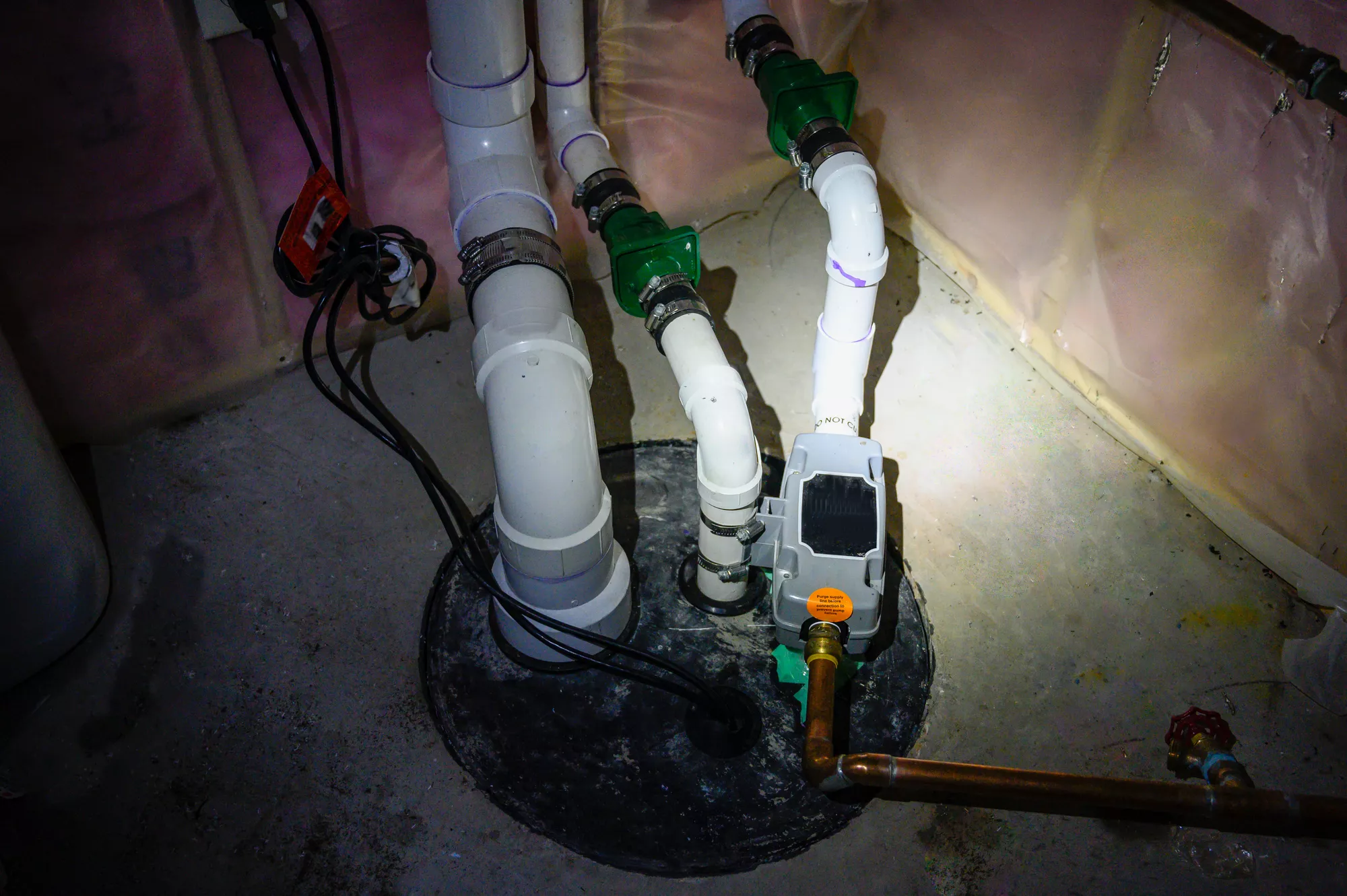
Some discharge lines include a check valve, which prevents water from flowing backward into the pit. Ensure that the valve functions properly and is installed at the right height above the pump. Secure, clear, and functional discharge lines are crucial to the overall performance of the sump pump. Every element matters when it comes to effective water management.
Back Up Your System for Emergencies
Power outages often accompany the same storms that cause flooding. Without a backup system, your sump pump won’t work when the power is out, leaving your basement vulnerable. Backup systems include battery-powered pumps and water-powered alternatives that activate in the event of an emergency. A reliable backup is an essential part of responsible sump pump maintenance.
Battery backups operate independently of your primary power source and activate when the main power source fails. Most modern systems feature alarms to notify you when the backup engages or needs charging. Battery backups typically provide several hours of pumping time, enough to outlast short-term outages. Regular testing ensures they remain operational when required.
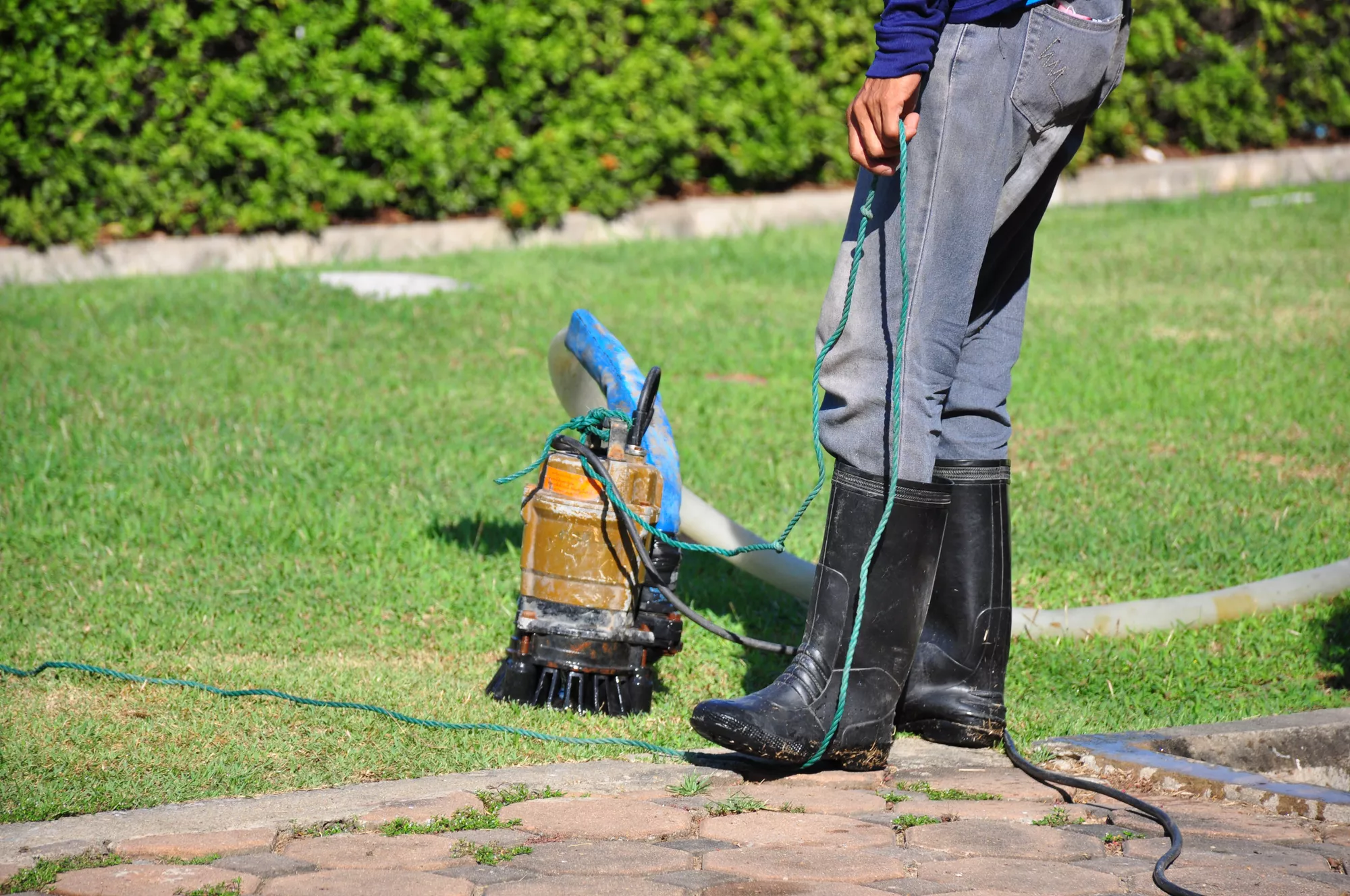
Water-powered backup pumps utilize your home's water pressure to remove water from the sump pit. They’re helpful in areas with reliable municipal water systems, but not ideal for users of healthy water. These systems never require electricity or battery replacements, making them low-maintenance alternatives. Know your home’s infrastructure before choosing the best option.
Regardless of the backup method you choose, regular testing is essential. Review performance and recharge or replace batteries as needed. Losing your sump pump during a blackout can result in disaster. Backup systems provide an extra layer of protection when weather or power grids fail.
Schedule Professional Inspections
While basic upkeep is something homeowners can handle, professional inspections provide a more profound sense of peace of mind. A licensed plumber can assess performance, clean components more thoroughly, and replace worn-out parts. Minor issues, such as an aging check valve or corroded wiring, are caught early. Annual inspections are a wise investment in long-term sump pump maintenance.
Professionals also test pump capacity to ensure your system can handle peak loads. Heavy rains, fast snowmelt, or rising groundwater levels can overwhelm undersized systems. A plumber can recommend upgrades if your current pump no longer meets your home's needs. Staying ahead of problems saves time, money, and property.
Maintenance plans often include complete system cleaning, switch calibration, and discharge line inspections. This level of attention prevents surprises during critical times. Homeowners gain confidence knowing their equipment is fully prepared. Preventive care leads to reliable performance during storms.
If you’ve experienced basement flooding before, regular professional maintenance is even more critical. Water damage repairs are expensive and emotionally draining. Avoid the risk by having annual inspections performed by a trusted plumbing expert. Every inspection is another step toward a dry, secure home.
Keep Your Basement Dry and Damage-Free with a Well-Maintained Sump Pump
Your sump pump is one of your home's unsung heroes—quietly working to protect your basement from water damage. Neglecting regular care puts your home at risk, especially during spring floods or summer storms. Routine sump pump maintenance ensures that your system responds instantly when water levels rise. With proper care, your pump can serve your home reliably for many years.
Good Guys Plumbing offers expert sump pump inspection, maintenance, and installation services tailored to your home’s needs. Whether you need seasonal service or a comprehensive system upgrade, our licensed team is ready to assist you. Don’t wait for the next storm to find out your sump pump isn’t working. Contact us today to schedule maintenance and keep your basement protected throughout the year.
