10 of the Best Basement Plumbing Maintenance Tips for Families
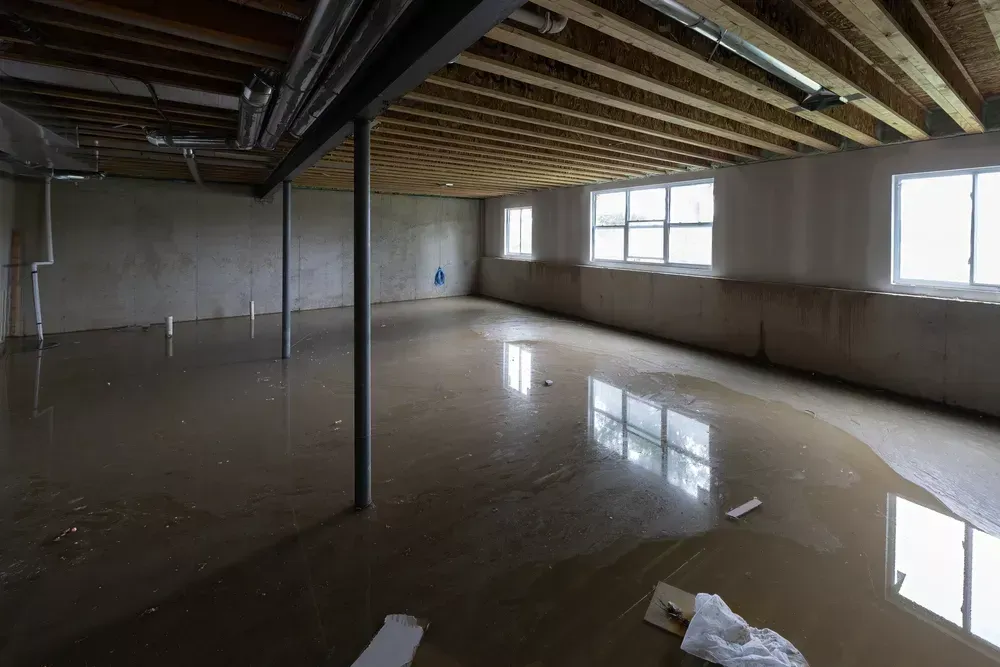
When it comes to your home, basement plumbing systems play a crucial role in protecting your property from costly damage caused by leaks, clogs, or flooding. Families who follow a consistent maintenance routine reduce risks while extending the lifespan of their plumbing. Reliable care keeps basements dry, efficient, and safe for daily use.
What are the Best Basement Plumbing Maintenance Tips for Families?
The best basement plumbing maintenance tips focus on preventive care, inspections, and protective upgrades that ensure systems remain safe and efficient. Families who adopt these practices reduce costly emergencies, protect property value, and safeguard comfort. Consistent attention to plumbing creates both peace of mind and long-term savings.
1. Inspect Basement Pipes for Leaks
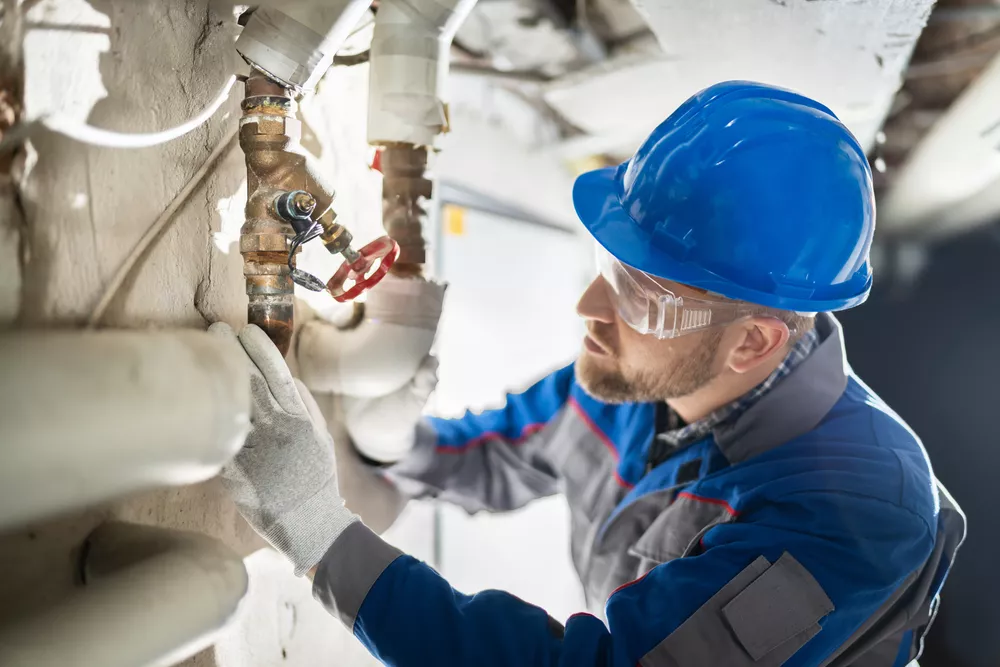
Basement pipes remain highly vulnerable to corrosion, cracks, or leaks that often go unnoticed until major damage occurs. Consistent inspections reduce risks significantly. Families should make monthly evaluations part of their regular home maintenance routine.
Look for Moisture and Rust: Check visible pipes for water spots, rust, or drips. Correcting small leaks early prevents expensive repairs later.
Evaluate Pipe Joints: Pay close attention to elbows, connectors, and joints. These areas frequently weaken first and require regular tightening or replacement.
Watch for Mold or Odors: Musty smells often indicate hidden leaks. Prompt repairs protect indoor air quality and family health.
2. Keep Floor Drains Free of Blockages
Basement floor drains often collect debris, dirt, and lint, which can restrict water flow. Clogged drains increase the risk of flooding during heavy rainfall or plumbing issues. Routine cleaning keeps drains reliable and effective.
Clean Covers Regularly: Remove buildup from drain grates every few weeks to maintain optimal performance. Clear openings ensure proper drainage and reduce backup risks.
Flush Drains with Water: Pour a few gallons of clean water into the drains monthly. Flushing clears sediment and maintains strong flow.
Use Safe Enzyme Cleaners: Apply natural enzyme products quarterly. They break down organic materials without harming pipes.
3. Test Sump Pump Operation Consistently
Sump pumps protect basements from flooding, but they fail if neglected. Regular testing ensures pumps activate properly during storms or emergencies. Families benefit from reliable protection.
Simulate Flooding: Pour water into the sump pit to trigger the pump. Functional pumps should activate quickly and drain completely.
Check Discharge Lines: Inspect outdoor lines for obstructions or freezing risks. Blockages prevent water from leaving the basement safely.
Inspect Backup Systems: Verify that battery or generator backups function properly. Backup systems protect during outages when flooding risks are highest.
4. Insulate Basement Plumbing Lines
Basement pipes often run through cooler spaces, increasing the risk of freezing during winter. Proper insulation reduces stress on pipes and lowers utility costs. Families save both money and damage.
Apply Foam Insulation: Wrap exposed pipes with foam sleeves. Insulation maintains water temperature and prevents freezing in cold weather.
Seal Basement Drafts: Close gaps near pipe runs to reduce cold air exposure. Less draft exposure prevents pipe bursts.
Install Heat Tape: Use heat tape on pipes in high-risk areas. Controlled heating offers additional freeze protection.
5. Maintain Basement Water Heater Systems
Water heaters in basements require routine care to remain safe and efficient. Neglect often leads to breakdowns or expensive replacements. Families gain value through proactive maintenance.
Flush Sediment Annually: Drain the tank to remove buildup that lowers efficiency. Regular flushing extends the heater’s lifespan.
Check Temperature Settings: Set the thermostat to 120°F to strike a balance between energy savings and safety. Consistent temperatures reduce scalding risks.
Inspect for Rust: Examine the tank for signs of corrosion. Early detection prevents leaks and tank failure.
6. Install Backflow Prevention Measures
Basements often face risks of sewer backups during storms. Installing backflow prevention devices safeguards families from costly and unsanitary flooding. Regular inspections guarantee reliability.
Use Sewer Backflow Valves: Install protective valves that block sewage from re-entering the basement. Devices provide dependable flood protection.
Schedule Professional Tests: Licensed plumbers test devices for proper function. Regular testing avoids unnoticed failures.
Replace Outdated Valves: Upgrade aging devices as necessary. New technology improves reliability and compliance.
7. Monitor Basement Humidity Levels
Excessive basement humidity contributes to mold growth, pipe condensation, and structural problems. Monitoring moisture levels protects plumbing and family health. Effective control supports system longevity.
Use a Hygrometer: Measure humidity regularly. High readings indicate risks that require attention.
Install a Dehumidifier: Place a dehumidifier in damp basements to help reduce humidity levels. Consistent use maintains healthier air.
Inspect for Condensation: Check pipes for condensation buildup. Insulating pipes often resolves problems.

8. Protect Washing Machine Connections
Basements often house laundry systems, which require reliable connections to prevent leaks or flooding. Regular inspections and updates improve reliability. Families reduce risks with simple checks.
Check Hoses Often: Inspect hoses for cracks or bulges. Replacing damaged hoses avoids bursts.
Upgrade to Steel Braided Hoses: Install stronger hoses for added durability. Stainless steel resists damage longer.
Tighten Connections: Ensure connections remain secure. Loose fittings cause leaks and water damage.
9. Clean Basement Utility Sinks
Basement utility sinks handle debris, dirt, and heavy use, often leading to clogs. Regular cleaning helps maintain strong performance and ensures reliable drainage. Families benefit from simple upkeep.
Rinse After Each Use: Flush with clean water after heavy washing. Regular rinsing reduces residue buildup.
Use Drain Strainers: Install strainers to prevent lint or debris from blocking the drain. Strainers prevent unnecessary clogs.
Avoid Harsh Chemicals: Skip corrosive cleaners that damage pipes. Safe alternatives protect plumbing systems.
10. Schedule Professional Plumbing Inspections
Professional inspections uncover hidden issues that families may overlook. Licensed plumbers evaluate systems thoroughly, ensuring long-term reliability. Annual inspections provide peace of mind.
Use Camera Technology: Professionals check sewer lines with cameras. Inspections detect hidden blockages.
Check Pressure and Flow: Plumbers test for consistent water pressure. Stable flow reassures buyers.
Receive Detailed Reports: Families receive professional documentation. Reports support maintenance planning.
Protecting Families with Reliable Basement Plumbing
Basement plumbing requires consistent care to avoid damage, costly repairs, and disruptions to daily routines. Families who follow simple maintenance tips improve plumbing performance. Preventive action builds trust and saves money.
For professional inspections, drain cleaning, water heater servicing, and sewer or septic solutions, families can trust Good Guys Plumbing. Our team ensures basement plumbing remains safe, efficient, and reliable for years. Contact Good Guys Plumbing today for expert care tailored to your home’s needs.
