
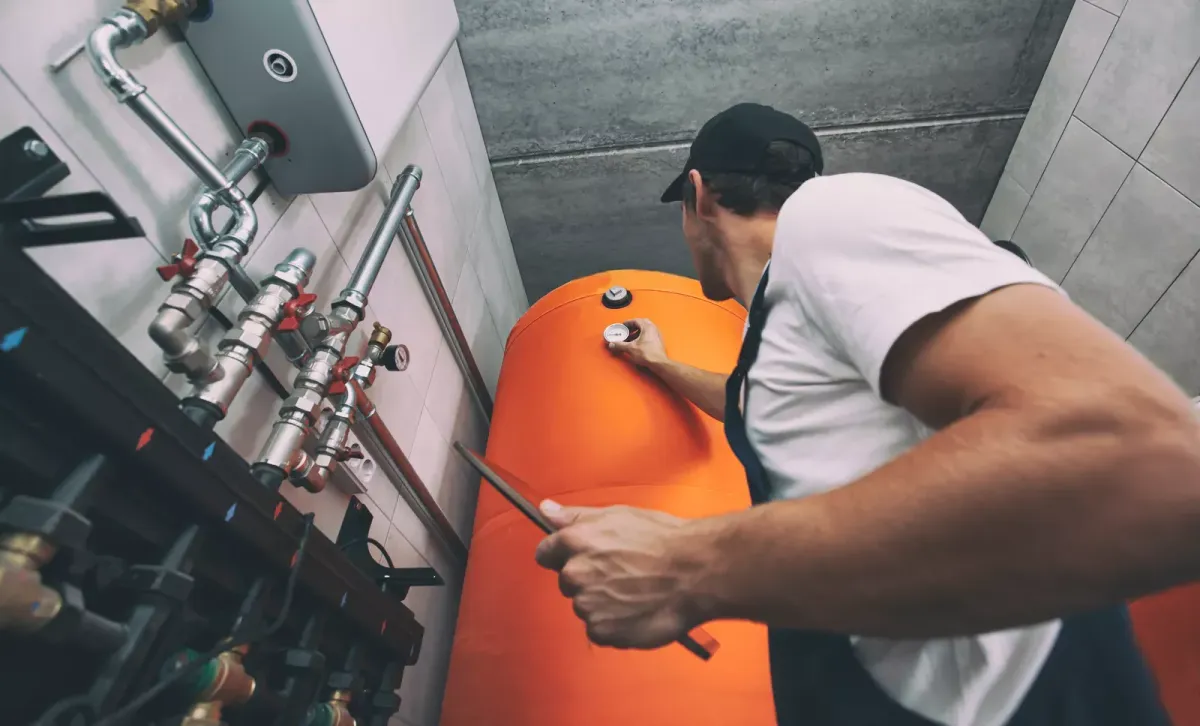
How to Extend the Life of Your Water Heater
A reliable water heater plays a key role in every household, providing hot water for showers, laundry, cooking, and cleaning. Despite their importance, water heaters are often overlooked until something goes wrong. Regular care and smart usage habits can extend the lifespan of your unit, prevent breakdowns, and improve efficiency. Proactive maintenance helps you avoid surprise expenses and ensures long-term comfort.
Homeowners who invest time in upkeep can often add several years to their system’s life. Whether you have a traditional tank model or a tankless unit, routine attention makes a noticeable difference. Understanding how your system works and knowing what steps to take keeps your heater performing at its best. Explore the five key ways to get the most out of your water heater.
Flush the Water Heater Tank Regularly
Sediment naturally builds up inside a tank-style water heater over time, especially in areas with hard water. These mineral deposits settle to the bottom of the tank, reducing heating efficiency. As sediment thickens, it can block the heating element or cause the unit to overheat. Flushing the tank once or twice a year helps keep your water heater running efficiently.
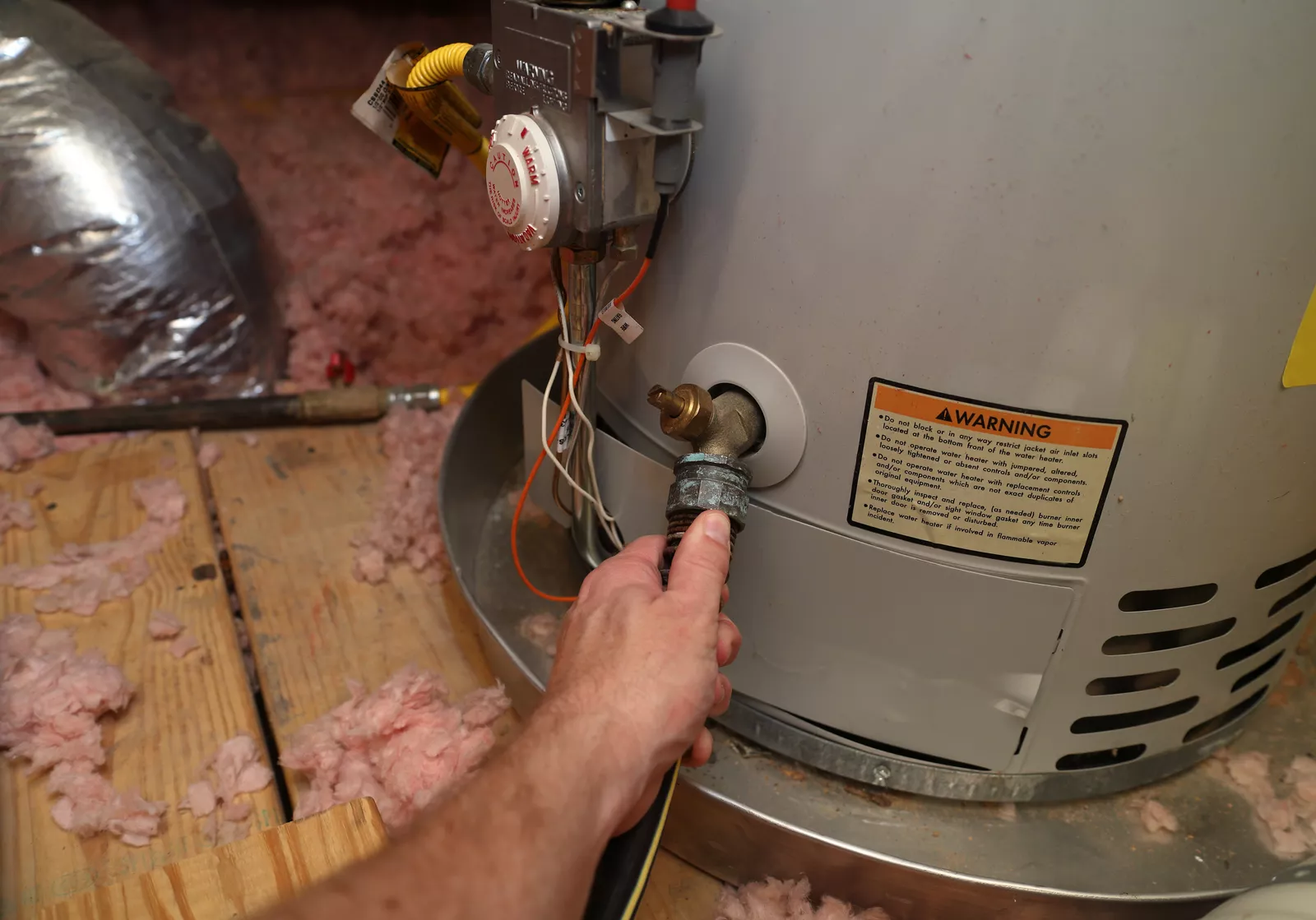
Start by turning off the power or gas supply and allowing the tank to cool. Connect a garden hose to the drain valve and direct the water to a safe location. Open the valve and let the tank drain completely. Then, flush it with fresh water to remove any remaining sediment. Once clear, close the valve, refill the tank, and restore power or gas.
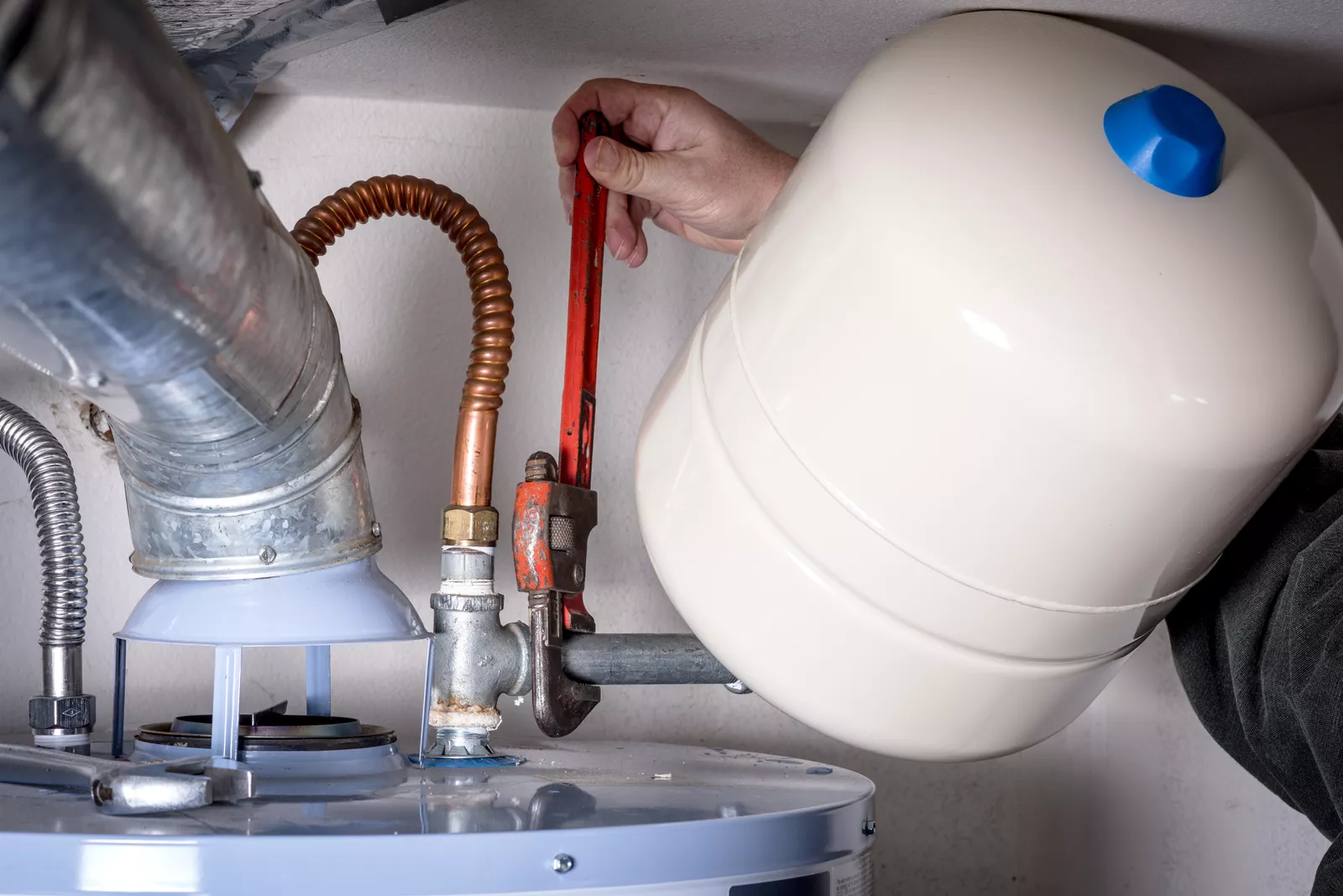
Flushing prevents rust formation and extends the life of the tank and heating components. A clean tank heats faster, uses less energy, and delivers more consistent hot water. If you’ve never done this before, a professional plumber can show you the process safely. Keeping the tank clean is one of the most effective ways to preserve your system.
Neglecting sediment removal can lead to noisy operation, uneven water temperature, and premature failure. Regular flushing is an easy habit that brings long-term benefits. Protect your investment by including it in your annual home maintenance routine. Your water heater will last longer and perform better with less strain.
Check the Anode Rod
The anode rod is a critical yet often forgotten component of a tank-style water heater. Its job is to attract corrosion away from the tank walls, essentially sacrificing itself to protect the system. Over time, the rod becomes heavily corroded and stops working, leaving the tank vulnerable to rust. Inspecting and replacing the anode rod every few years helps extend the life of your water heater.
Access the rod from the top of the tank using a socket wrench and check for pitting, thinning, or damage. If more than six inches of the core wire is exposed, it’s time for a replacement. Anode rods are inexpensive and widely available in hardware stores or through plumbing professionals. Choosing the right type—aluminum, magnesium, or zinc—depends on your local water quality.
In homes with softened water, the anode rod tends to wear out more quickly and may require more frequent inspections. Setting a reminder every two to three years ensures you don’t forget. Replacing the rod early is much cheaper than replacing the whole tank. Staying on top of this small detail can prevent severe internal damage.
Maintaining the anode rod prevents corrosion and extends tank integrity. It’s a simple task with a significant impact. Combine it with regular flushing to keep your water heater in top shape. When both systems are maintained, your tank can last over a decade or more.
Set Your Water Heater Temperature Correctly
High temperatures can accelerate wear and increase the risk of scalding, while low temperatures may promote bacterial growth. Most water heaters come preset at 140°F, but lowering the temperature to 120°F is safer and more energy-efficient. Reducing the temperature slows down mineral buildup and prevents unnecessary stress on the heating element. Adjusting your thermostat properly helps protect your water heater and reduce energy costs.
To change the temperature, locate the thermostat on the unit—typically behind a panel on electric heaters or a dial near the bottom of gas units. Make minor adjustments and test the output after a few hours have passed. If your home requires higher temperatures for medical or sanitation reasons, consider installing a mixing valve. This device allows high internal temperatures while delivering safe water at the tap.
Lower settings save energy and reduce monthly utility bills. Every 10-degree reduction can lead to noticeable savings without sacrificing comfort. The heating system doesn’t need to work as hard, which reduces wear and extends the life of its components. Smart temperature settings offer both safety and performance benefits.
Protect your family and your heater with thoughtful temperature management. Minor adjustments lead to long-term gains—lower stress on internal parts results in fewer breakdowns. Temperature control is one of the easiest maintenance tools available.
Insulate the Tank and Pipes
Heat loss is one of the most significant inefficiencies in older water heaters, particularly those located in unheated spaces. Insulating the tank and the first few feet of hot and cold water pipes helps retain heat and improve efficiency. This reduces the frequency of heating cycles and lowers utility bills. Added insulation also reduces condensation and prolongs your water heater’s lifespan.
Use a fiberglass or foam insulation blanket explicitly made for water heaters. Wrap it around the tank, avoiding the thermostat and burner area for safety. Pipe insulation sleeves are easy to install and help prevent heat loss on both supply and return lines. Together, these materials improve overall system performance year-round.
Insulation is especially beneficial during winter months when pipes are more likely to lose heat. Less temperature fluctuation means more consistent hot water and reduced energy usage. Many homeowners notice faster hot water delivery and less noise from the unit after insulation. Even newer models can benefit from extra protection in colder areas.
Preventing temperature loss protects both performance and comfort. Upgrading insulation is a quick, low-cost project with lasting value. Efficiency improvements reduce strain on your water heater. Small changes like this extend service life and boost reliability.
Schedule Routine Professional Maintenance for Your Water Heater
Even with good DIY care, annual professional service helps catch potential issues before they become expensive problems. Licensed plumbers inspect key components, clean buildup, test safety valves, and verify system pressure. They can also check for gas leaks or electrical malfunctions, depending on the type of unit. Regular professional maintenance ensures your water heater runs safely and efficiently.
Professional inspections often include flushing the tank, checking the anode rod, and inspecting the venting system. Plumbers utilize specialized tools and expertise to identify wear that a homeowner might overlook. They can recommend upgrades or repairs that improve performance. Proactive service prevents surprise breakdowns during peak usage.
Water heaters nearing the end of their expected life benefit greatly from expert monitoring. Plumbers can provide guidance on when to repair versus replace, helping you budget accordingly. Routine maintenance also preserves warranties that may require professional documentation. Peace of mind comes from knowing your system is in top condition.
Combine personal upkeep with professional oversight for the best results. Annual checkups ensure your system remains safe, efficient, and long-lasting. Your water heater performs more efficiently when it’s properly cared for. Hiring a qualified plumber instills confidence and safeguards your home.
Keep Your Hot Water System Running Strong
A dependable water heater is essential for modern living. Extending its life involves a combination of routine tasks, maintaining safe temperature settings, proper insulation, and regular professional inspections. Small steps, such as flushing the tank or checking the anode rod, go a long way in preventing problems. Every action you take now can add years to your system's performance.
If your water heater needs service, inspection, or expert guidance, Good Guys Plumbing is here to help. Our team offers maintenance plans and efficient repairs to keep your hot water flowing reliably. Don’t wait for a breakdown—contact us today to schedule a service and protect your home comfort. Long-lasting performance starts with competent plumbing care.
