Signs It’s Time for a System Upgrade
A plumbing system rarely sends one clear signal when it starts to fail. Instead, it sends several small ones, spaced out over weeks or months, easy to dismiss individually but harder to ignore once a homeowner starts to notice the pattern.
A basic plumbing diagnostic doesn't require special tools to start. It just requires attention to the signs a system already gives, long before a full breakdown forces the issue. Catching those signs early usually means a smaller repair bill and far less disruption than waiting for a failure to make the decision instead.
Water Pressure That Has Changed Gradually
A drop in water pressure rarely happens overnight unless something has failed outright. More often, pressure fades slowly enough that a household adjusts without realizing anything has changed, until a guest mentions the weak shower or a comparison to a neighbor's home makes the difference obvious.
That gradual decline usually points to mineral buildup, a failing regulator, or a leak somewhere in the system. None of these fixes themselves, and each one tends to worsen the longer it goes unaddressed. A pressure change that has been building for months is a strong early sign that an outdated plumbing system needs a closer look.
Leaks That Keep Showing Up in Different Places
A single leak in one spot might just be a one-time issue. Leaks that appear in different fixtures or different rooms over a short span tell a different story, one that usually points to a system under broader strain rather than one bad component.
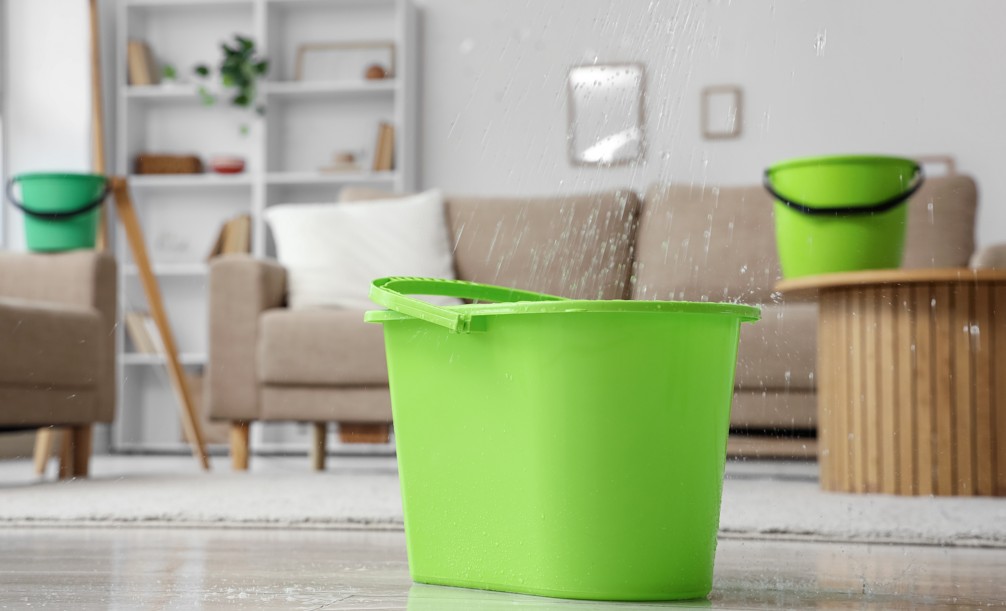
Hard-to-spot leaks often hide behind walls or under floors long before they surface as a visible problem. By the time a homeowner notices a stain or a damp spot, the leak has usually been active for weeks, which means the actual damage almost always extends further than what's visible on the surface.
Frequent Calls for the Same Type of Repair
A repair that keeps coming back is rarely a coincidence. If the same drain clogs every few months, or the same fitting keeps loosening no matter how many times it gets tightened, the underlying system has likely reached a point where repair only offers a temporary fix.
A few questions help reveal whether a repeat repair has crossed into upgrade territory:
Has the same fixture needed attention more than twice in the past year
Did the last repair only last a few months before the issue returned
Does the fix always address the same spot rather than a new one
Has a technician mentioned the surrounding pipe or fitting looks worn
A single yes doesn't confirm much on its own, but several yeses together usually mean the running cost of small repairs is starting to rival what a full fix would have cost from the start.
Warning Signs a Professional Plumber Would Flag
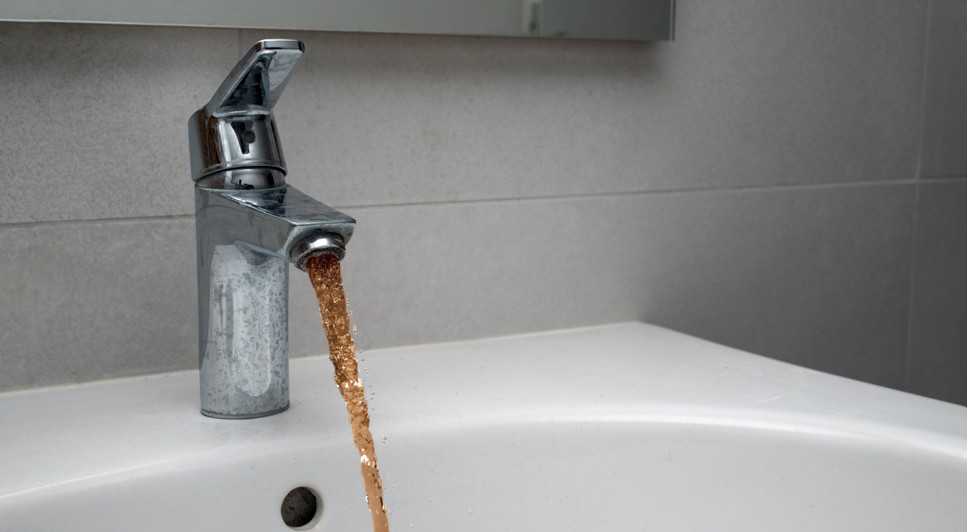
Some signs are easier for a trained eye to catch than for a homeowner going about daily life. Seven signs that point toward a professional plumber include several that overlap directly with an aging system, discolored water, persistent odors, and pressure that never quite returns to normal after a repair.
A professional assessment often reveals the difference between a system that needs one more repair and one that has reached the point where those repairs no longer address the actual cause. That distinction matters, since continuing to repair a system past that point usually costs more than the upgrade would have.
Age and Material as Confirming Evidence
Once a few behavioral signs appear, checking the age and material of the plumbing itself often confirms what those signs already suggest. Galvanized steel, for instance, corrodes from the inside out in ways that rarely show up until a system is already decades old, while copper and PEX tend to hold up longer under the same conditions.
Pipes that have aged past their expected lifespan rarely fail evenly across a home. One section may show clear symptoms while another holds up fine for a while longer, which is why a full assessment matters more than judging a system by a single fixture or room.
Conditions That Accelerate the Need for an Upgrade
Certain conditions speed up how quickly a system reaches the point of needing an upgrade. Homes in consistently humid environments face faster wear on pipes and connections than homes in drier climates, since moisture accelerates corrosion in ways that are easy to overlook until symptoms appear.
Pipe maintenance tips for high-humidity homes cover the specific risks that come with this kind of environment, and homes matching that description often need to take the warning signs above more seriously and sooner than homes without the same humidity exposure.
Recognizing these signs early puts a homeowner in control of the timeline rather than reacting to a failure. A full repair assessment can confirm whether an upgrade makes more sense than another round of fixes.
Good Guys Plumbing has helped Southern Illinois homeowners read these signs accurately for decades, without pushing an upgrade before it's actually needed. Know when it's time to upgrade and make that call on your own schedule rather than waiting for the system to make it for you.
