
How to Detect Hard-to-Spot Leaks in Your Home
Hidden plumbing problems can quietly damage a home, leading to costly repairs and water waste. Homeowners who know how to detect hard-to-spot leaks early protect their families from unexpected disruptions. Detecting leaks before they escalate ensures peace of mind and preserves home value.
Even small drips behind walls or under floors can escalate into significant structural issues if left unaddressed. Many hard-to-spot leaks are subtle, requiring attention to unusual signs and careful observation of plumbing systems. Knowing practical methods to uncover hidden water issues saves both money and time in the long run.
What Are Simple Methods to Spot Hidden Leaks?
Homeowners can often detect hard-to-spot leaks by staying alert to small but telling signs. Checking the water meter for unexpected movement, looking for damp or discolored spots, and listening for dripping or running water when fixtures are off are all effective methods. These simple habits make it easier to catch leaks early, preventing costly repairs and protecting the home’s structure.
Where Are Hidden Leaks Most Likely to Occur?
Hidden leaks often develop in areas of the home that are less frequently inspected. Being aware of these common problem spots can help homeowners take action before small issues escalate into costly repairs.
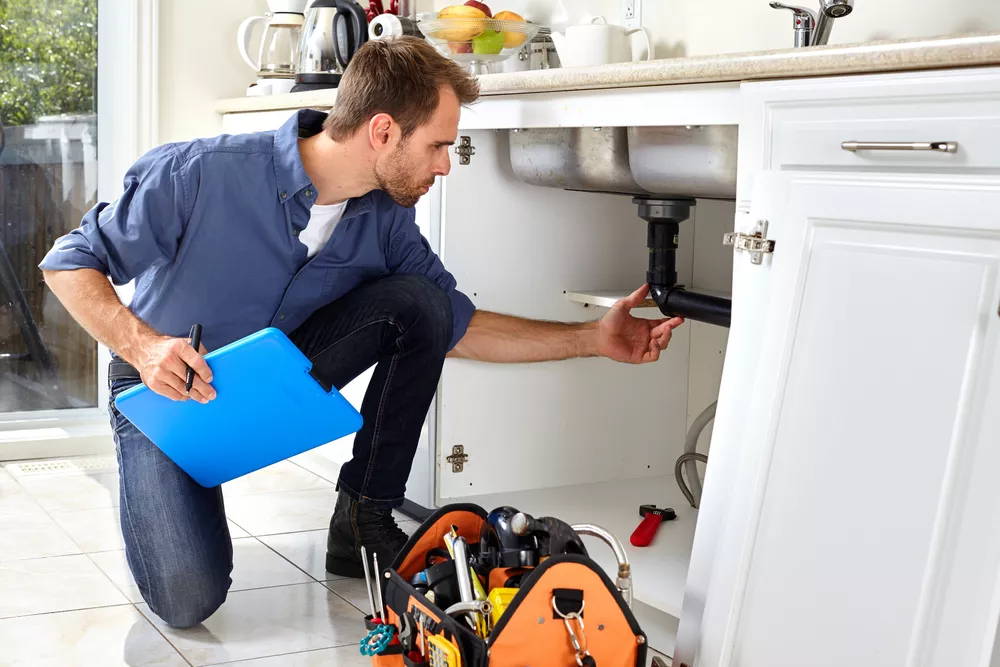
Under sinks and behind appliances: Frequent use and older plumbing connections make these areas prone to leaks.
Walls and ceilings: Pipes hidden inside walls or above ceilings can slowly degrade surrounding materials.
Crawlspaces and basements: Condensation, corrosion, or small pipe cracks can lead to hidden water issues.
Water heaters and exterior faucets: Leaks may go unnoticed until they cause visible damage or water waste.
Bathrooms and kitchens: High water usage increases the chance of hard-to-spot leaks.
Floors and insulation: Moisture can seep into flooring or insulation, leaving stains or warping materials.
Regularly checking these areas increases the chances of detecting hard-to-spot leaks early. By staying vigilant, homeowners can prevent structural damage, reduce health risks, and avoid costly repairs. For a real-life example of how quickly a hidden leak can escalate and how prompt action can prevent extensive damage, read our Customer Story: How We Solved a Major Leak Fast.
How Homeowners Can Detect Hard-to-Spot Leaks Using Water Meters or Indicators
Water meters provide a straightforward way to identify hard-to-spot leaks that otherwise go unnoticed. Shutting off all faucets and observing the meter for movement can reveal even minor leaks. Additionally, moisture indicators placed under sinks or behind appliances alert homeowners to unusual dampness.
Regularly monitoring meters helps track seasonal fluctuations in water usage, which can hint at slow leaks. Smart leak detectors now offer digital notifications, giving real-time feedback about suspicious water flow. Homeowners can combine these tools with visual inspections and learn more about how to spot a hidden water leak for greater accuracy.
Checking for abnormal spikes on monthly bills also helps in spotting concealed, hard-to-identify leaks. Sometimes the meter itself shows signs of a running leak without visible puddles or damp patches. Using this method complements other detection practices for comprehensive leak monitoring.
Recognizing Signs in Walls, Ceilings, and Flooring
Hidden leaks often leave subtle clues in walls, ceilings, and flooring before visible damage appears. Being able to spot these signs early allows homeowners to address problems before they escalate into costly repairs.
Discoloration and Warping
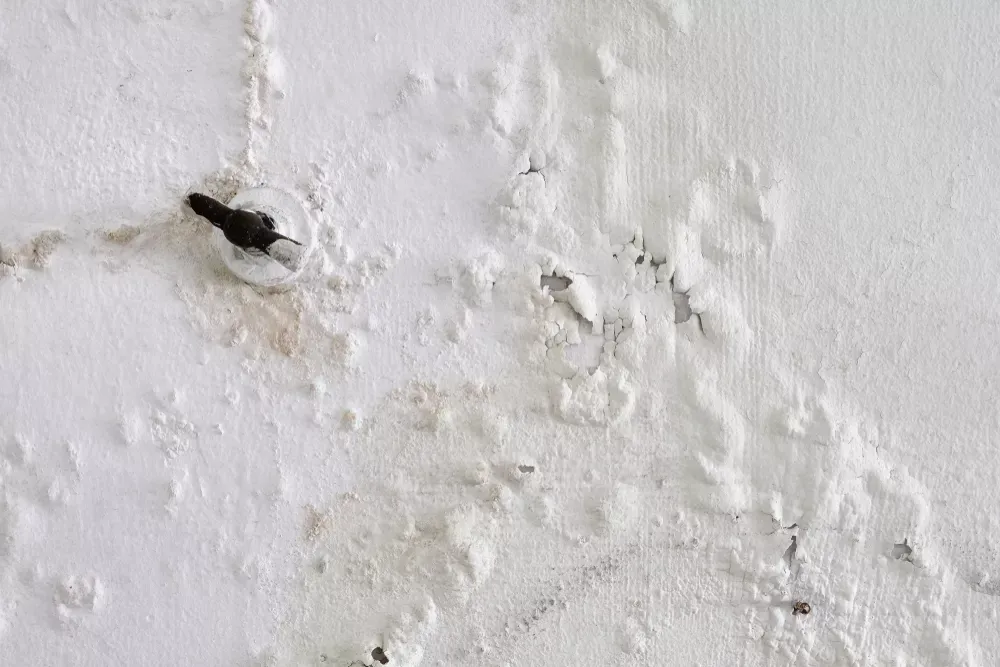
Stains or discoloration on walls and ceilings may indicate water intrusion from unseen pipes. Buckling or warped flooring can also suggest persistent hard-to-spot leaks underneath. Musty odors often accompany these visual changes, signaling hidden water damage.
Drips and Soft Spots
Small droplets forming along baseboards or corners reveal slow plumbing leaks. Tapping walls for soft spots may expose areas weakened by continuous leaks. Early detection in these areas helps prevent structural damage.
Peeling Paint or Wallpaper
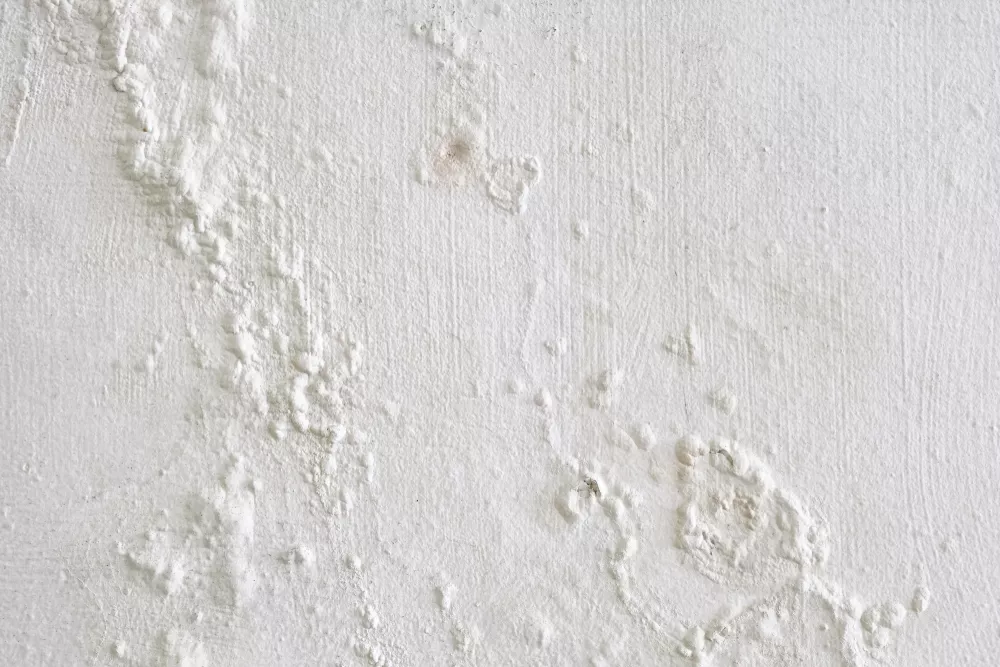
Peeling paint or wallpaper is another warning that water is present behind surfaces. Even minor leaks accumulate over time, compromising the integrity of drywall and framing. Homeowners can follow tips in The Good Guys Plumbing Guarantee: What It Means for You to act quickly and limit damage.
Seasonal Effects on Hard-to-Spot Leaks Detection and Prevention
Temperature fluctuations can significantly affect plumbing performance, especially in older homes with aging pipes that may already have developed cracks. Cold winters can cause pipes to contract, creating small leaks that slowly worsen if left undetected or untreated. Homeowners should remain vigilant during warm, humid summers when moisture accumulation in crawlspaces can mask hard-to-spot leaks effectively.
Preparing plumbing for seasonal changes reduces risks and simplifies leak detection throughout the year for proactive maintenance. Insulating exposed pipes prevents freezing and bursting during winter, while keeping gutters and exterior drainage clear reduces hidden water near foundations. Spring and fall inspections allow preventive tasks like tightening fittings or replacing worn washers, increasing homeowners’ confidence and protection.
When to Call a Professional for Hard-to-Spot Leaks
Certain leaks, such as pressurized systems, hidden pipe junctions, or slab leaks, require specialized tools and professional experience. Attempting complex repairs without proper training can worsen problems and allow hard-to-spot leaks to cause extensive damage. Homeowners should recognize situations beyond basic fixes and engage experts promptly to prevent escalation and costly structural repairs.
Professional technicians utilize advanced methods like thermal imaging and camera inspections to locate moisture behind walls or under floors. These approaches detect concealed water issues without intrusive demolition while ensuring accurate diagnosis and safe repair. Hiring a licensed plumber also provides proper documentation, including reports and photographs, supporting insurance claims and reinforcing household safety reliably.
Practical Steps to Detect Hard-to-Spot Leaks Before They Cause Damage
Detecting leaks early protects your home from costly repairs and water damage. By following a structured approach, homeowners can identify issues before they escalate. Routine observation and simple tools make it possible to uncover hidden plumbing problems efficiently.
Step 1: Inspect Regularly Check water pressure, examine pipe joints, and listen for running water when all faucets are off. Maintaining a small log of minor irregularities helps track patterns and prevents issues from worsening. Consistent inspections increase the likelihood of detecting hard-to-spot leaks before they create serious problems.
Step 2: Use Simple Detection Tools Moisture meters, leak detectors, and monitoring your water meter complement visual inspections for effective leak detection. Observing unusual water usage alongside typical plumbing behavior improves accuracy in identifying concealed issues. Combining tools and observation ensures you catch small problems before they escalate.
Step 3: Monitor Appliances and Fixtures Pay attention to toilets, water heaters, sinks, and other frequently used fixtures for drips or abnormal performance. Regular checks allow homeowners to spot anomalies early and reduce risk of structural or water damage. Understanding appliance behavior supports proactive maintenance and helps manage hard-to-spot leaks effectively.
Step 4: Take Preventive Action Tighten fittings, replace worn washers, and address small leaks immediately to prevent escalation. Early intervention preserves home infrastructure and reduces the likelihood of emergency repairs. Simple, consistent steps save time, money, and stress over the long term.
By following these practical steps, homeowners can detect hidden plumbing issues before serious damage occurs. Regular inspections, smart tool usage, and preventive action provide confidence and long-term protection. Staying proactive ensures small problems are addressed promptly, safeguarding both your home and family.
Protect Your Home by Detecting Hard-to-Spot Leaks Early
Hidden leaks threaten both the structural integrity and financial health of a home if left unchecked. Observing visual cues, monitoring water meters, and responding to seasonal changes increases chances of detecting hard-to-spot leaks early. Homeowners gain confidence knowing small problems can be resolved before major damage occurs.
Caring for your plumbing proactively prevents costly repairs, water waste, and inconvenience for your family. When uncertainty arises, working with skilled professionals ensures reliable detection and repair. Catch hard-to-spot leaks before they cause damage and contact Good Guys Plumbing to detect and repair hidden leaks in your Southern Illinois home.
