How to Identify Old Pipes That Need Replacement
Aging plumbing can quietly threaten a home, leading to leaks, water damage, and expensive emergency repairs. Old pipes often show subtle signs before major issues develop, and recognizing them early helps families protect their homes. Understanding which materials and conditions indicate pipe deterioration can save both stress and money over time.
Homeowners in Southern Illinois often face unique challenges with older plumbing systems, from seasonal temperature swings to shifting soil that stresses water lines. Many families do not realize that frequent clogs, low water pressure, or discolored water may signal pipes reaching the end of their lifespan. Spotting these warning signs early ensures that repairs or replacements occur before damage becomes severe.
How Do You Know if Your Pipes Need Replacing?
Several warning signs indicate that old pipes might need replacement, including persistent leaks, rust-colored water, or low water pressure. Unusual noises, like banging or gurgling, can also suggest internal corrosion or buildup that threatens pipe integrity. A professional inspection confirms the condition and helps homeowners plan necessary repairs before emergencies occur.
How Can You Tell if Your Pipes Are Old?
Recognizing the warning signs of old pipes helps homeowners prevent unexpected plumbing issues and costly repairs. Common indicators often appear gradually but can escalate quickly without attention. Knowing what to look for ensures you can act before serious damage occurs.
Frequent Leaks – Small, recurring leaks suggest weakened pipe walls that may eventually fail completely.
Discolored Water – Rusty or brown-tinted water often indicates corrosion inside older plumbing materials.
Low Water Pressure – Mineral buildup and narrowing pipes can restrict flow, reducing efficiency throughout the home.
Unusual Tastes or Odors – Metallic flavors or musty smells may point to pipe deterioration underground or within walls.
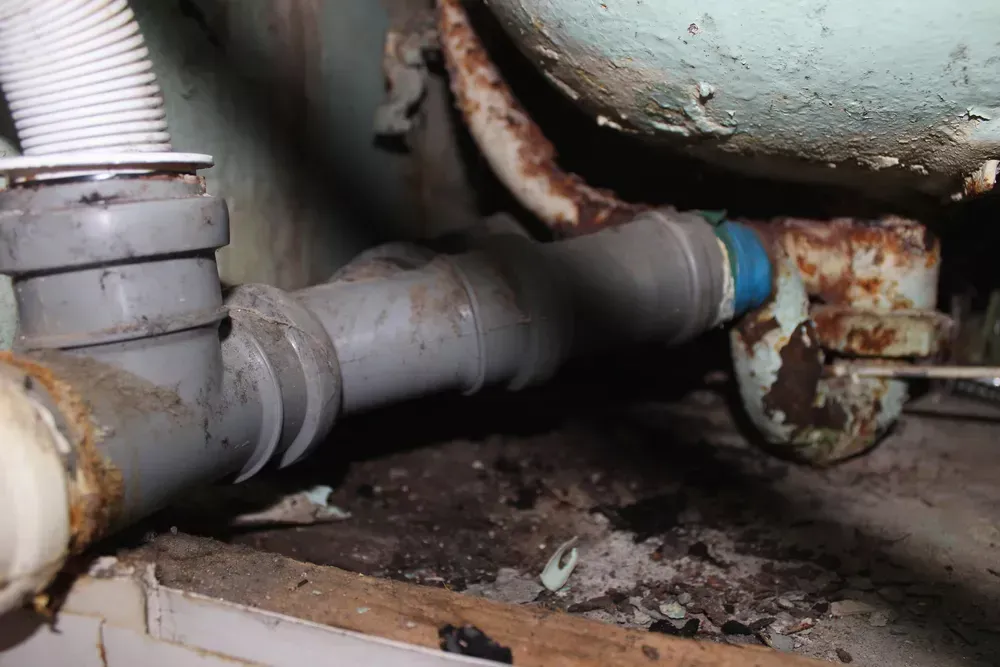
Visible Corrosion – Flaking, rust spots, or greenish stains on exposed pipes signal structural decline.
Age of the Home – Houses built more than 40 years ago often rely on outdated and fragile piping systems.

Common Signs of Aging Pipes
Spotting the early signs of old pipes helps families avoid unexpected leaks, poor water quality, and major plumbing repairs. Paying attention to changes in water pressure, color, or recurring issues ensures problems are caught before they turn into costly emergencies. Monitoring these indicators provides peace of mind and protects household safety.
Persistent Leaks – Dripping under sinks, in ceilings, or behind walls often indicates weakened or deteriorating pipes.
Low Water Pressure – Scaling or mineral buildup restricts water flow and reduces efficiency throughout the home.
Frequent Clogs – Recurring blockages across multiple fixtures suggest narrowing or corrosion inside older pipes.
Discolored Water – Brown, reddish, or cloudy water points to rust or sediment within aging plumbing lines.
Unusual Odors or Tastes – Metallic or musty water often results from corrosion hidden within the system.
Seasonal Struggles – Frozen lines in winter or cracks during warmer months reveal pipes under seasonal stress.
Tools and Inspections for Detecting Pipe Deterioration
Homeowners can use simple tools like moisture meters, pressure gauges, and visual checks in basements or under sinks to spot potential issues. Camera inspections, handled by licensed technicians, reveal interior pipe conditions without invasive work. This technology helps identify corrosion, blockages, or structural weakness.
Regular maintenance programs also catch small leaks or irregular water flow before they escalate. Pairing professional inspections with seasonal checks helps extend the lifespan of plumbing systems. Knowing the state of old pipes allows families to plan for timely repairs or replacements.
Technicians may recommend pressure testing to uncover hidden leaks or weaknesses that aren’t visible during routine checks. Early detection reduces the risk of water damage and allows households to schedule maintenance with minimal disruption.
Risks of Neglecting Old Pipes
Aging pipes can create serious problems if they are ignored. Leaks hidden behind walls or under floors often go unnoticed until expensive damage has already occurred. Older plumbing materials are especially vulnerable during heavy rains or freezing weather, making maintenance essential.
Water Damage and Mold Growth: Leaks from old pipes can soak building materials, leading to mold infestations and costly structural repairs.
Compromised Water Quality: Corrosion may release rust, sediment, or metallic tastes into the water supply, affecting safety and daily use.
Appliance Damage: Inconsistent pressure or contamination can shorten the lifespan of dishwashers, washing machines, and water heaters.
Tree Root Infiltration: Roots can invade sewer lines and water mains, causing blockages or breaks. Preventing tree roots from damaging pipes helps reduce this risk.
Flooding Hazards: Neglected maintenance increases the chances of sudden breaks, which may overwhelm basements. Sump pump upkeep provides additional protection.
Emergency Plumbing Needs: Failing to replace deteriorated systems can result in sudden crises that require costly intervention. Recognizing the signs you need a professional plumber helps homeowners act before emergencies escalate.
Staying aware of these risks encourages timely inspections and proactive repairs. By addressing small issues early, families protect their homes, maintain water quality, and avoid disruptive emergencies.
Planning Pipe Replacement Without Disruption
Scheduling pipe replacement around family routines minimizes stress and household interruptions. Professional plumbers often work in stages, replacing sections systematically while keeping water accessible. Homeowners can coordinate work to match vacation periods, weekends, or slower household activity times.

Temporary solutions, such as portable water heaters or bypass setups, may help maintain functionality during repairs. Clear communication with technicians ensures expectations are met, and work proceeds efficiently. Advanced planning for old pipes replacement prevents surprises and keeps daily life running smoothly.
Additionally, homeowners can benefit from learning how plumbing is handled in older homes, including material assessments and prioritization of high-risk areas. A step-by-step approach ensures both safety and convenience. Thoughtful planning preserves comfort while safeguarding the home from future emergencies.
Addressing Burst Pipes and Emergencies
Even with proactive maintenance, pipes can fail unexpectedly, particularly in older homes. Knowing what to do during a crisis prevents extensive water damage. Quick shutoff of the main water supply and professional guidance are critical first steps.
Educating family members about emergency procedures helps reduce panic and ensures rapid response. Keeping essential tools, such as wrenches and shutoff knowledge, readily available can limit the scope of damage. Learning how to handle a burst pipe equips homeowners to act confidently during sudden plumbing failures.
Preventative preparation and awareness of vulnerabilities in old pipes strengthen overall household resilience. Families can feel secure knowing that systems are maintained, and emergency procedures are clear. Taking practical steps now avoids unnecessary stress and expense later.
Protecting Your Home from Old Pipe Risks
Recognizing the signs of old pipes is essential for any homeowner who values safety, water quality, and peace of mind. Early detection through inspections, monitoring water pressure, and observing discoloration allows timely repairs before serious damage occurs. Families can plan replacements to fit household schedules, minimizing disruptions while ensuring reliable plumbing.
Protect your home from costly water damage with professional pipe inspections. Contact Good Guys Plumbing to evaluate your old pipes and schedule replacement if needed. Their experienced team provides clear guidance, practical solutions, and trusted support for homeowners throughout Southern Illinois.
