Sewer Line Problems That Start in Summer
Nobody wants to think about the sewer line until drains start acting strange. During summer, heavier water use, warmer conditions, and existing buildup may bring hidden issues closer to the surface. Sewer line problems often begin quietly, then show up through slow drains, sewer odors, gurgling toilets, or water rising from a lower drain.
A single slow sink may not say much on its own. The bigger clue is a pattern across several fixtures, especially toilets, tubs, floor drains, or lower-level plumbing. When those symptoms start connecting, the main sewer line deserves attention before wastewater has a chance to back up.
Summer Does Not Create Every Sewer Issue, But It Can Expose One
Heat, heavier usage, dry ground, and buildup can make an existing sewer concern easier to notice. A line that was already narrowing or struggling may start showing signs when more wastewater moves through it. Seeing those signs early gives homeowners a better chance to address the problem before it reaches the house.
Why Sewer Line Problems Often Surface in Summer
Summer can send more wastewater through the sewer line than homeowners realize. Extra showers, more laundry, outdoor cleanup, guests, and busy kitchen routines can all add more demand to the main line in a short amount of time. Sewer line problems may become easier to notice when that added flow pushes against buildup, aging pipe sections, or restrictions that were already forming.
The issue is not normal summer water use by itself. The concern is what happens when higher usage meets a line that is already moving slowly. When the sewer line has less room for wastewater to pass through, small warning signs may start appearing more often.
Buildup Inside the Main Line Narrows the Path
By the time wastewater reaches the sewer line, it has picked up material from kitchens, bathrooms, laundry, and toilets. Grease, wipes, toilet paper, soap residue, and food particles can settle along rough spots or older pipe sections instead of moving cleanly out of the home.
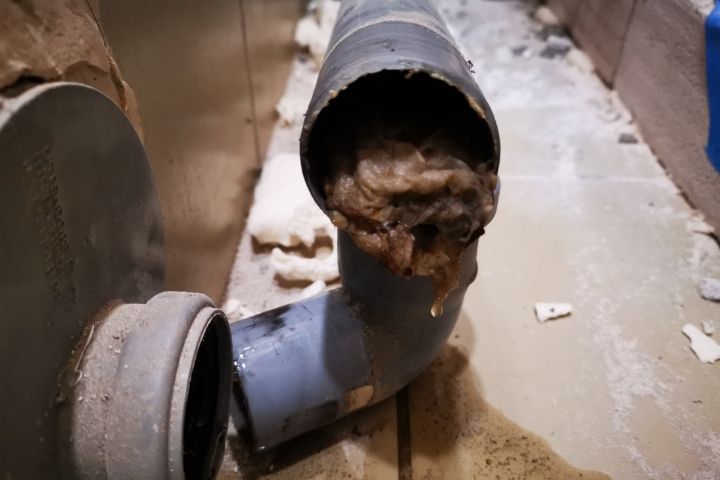
Sewer line problems become more noticeable when that restricted path has to handle busier household routines. A line that barely keeps up on a quiet day may start reacting when multiple fixtures send wastewater into the same main line within a short period.
Sewer Backup Causes Often Begin Before Water Comes Up
Many sewer backup causes start with restrictions that have been building inside or around the line. Buildup, root intrusion, low spots, aging pipe sections, or damaged joints can slow the path wastewater needs to follow.
The first signs may not look like a full backup. A toilet may gurgle after the shower runs, a tub drain may sound strange, or a lower drain may react when another fixture is used.
Those signs matter because sewer line problems usually become harder to manage once wastewater starts coming back into the home. Catching the issue while it is still showing early warning signs can help reduce the chance of a messy cleanup later.
When Several Drains Start Acting Like One Problem
One slow drain may be a local clog, but several fixtures acting strangely together can point to something deeper in the sewer line. The key is to notice when the symptoms seem connected instead of isolated.
Watch for:
More than one drain slowing down at the same time
Gurgling sounds from toilets, tubs, or floor drains
Water backing up in a lower drain
Sewer odors indoors or near cleanouts
A toilet struggling after another fixture runs
These patterns can suggest sewer line problems rather than a simple fixture issue. When several drains respond to each other, the main line may need attention before the problem reaches a full backup.
Dry Ground and Roots Add Pressure Below the Yard
Summer conditions can also affect what happens underground. Dry ground may shift around older sewer lines, while tree roots may keep searching for moisture near pipe joints, cracks, or weak areas.
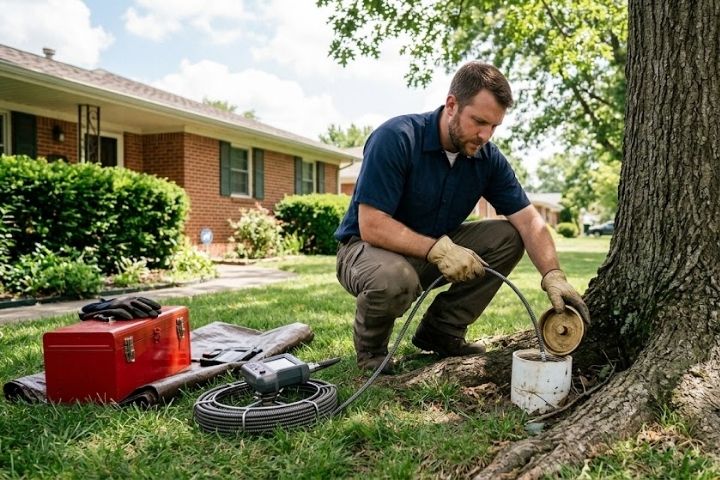
Sewer line problems tied to roots or shifting soil may not show up inside the home right away. Early clues can include recurring drain issues, sewer odors near the yard, or soft areas that seem unusual after normal water use.
Catch Sewer Issues Early Before Wastewater Comes Back Up
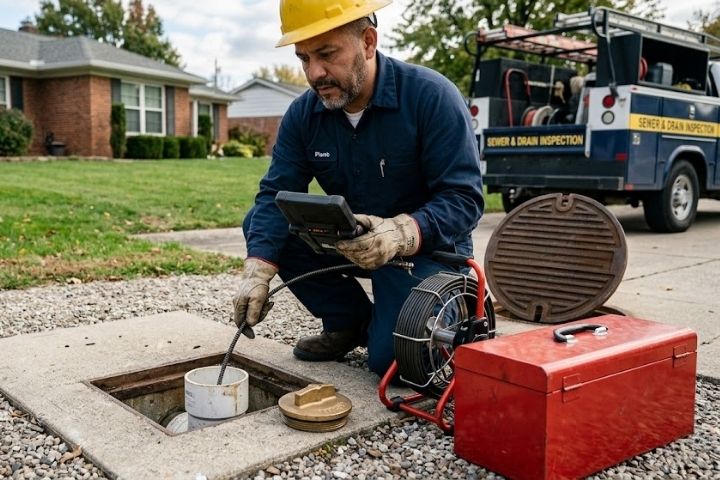
Sewer line problems are easier to address while the warning signs are still limited to slow drains, odors, gurgling, or unusual reactions between fixtures. A sewer inspection can help identify whether buildup, roots, pipe damage, or a main-line restriction is creating the problem.
When toilets, tubs, or lower drains begin reacting to each other, Good Guys Plumbing can help identify what is happening inside the sewer line. Book a sewer line inspection to catch sewer issues early and keep wastewater from returning through drains, tubs, or floor areas.
