How to Safely Unclog a Toilet
Few household problems cause as much immediate stress as a clogged toilet. Whether it's a simple blockage or something more stubborn, fast action can prevent overflow, damage, and embarrassment. The good news is that most toilet clogs can be resolved without calling a plumber—if you know what you're doing. Understanding how to unclog a toilet safely is essential for every homeowner.
Taking the right approach helps avoid worsening the clog or damaging your plumbing. Different tools and techniques are effective for various types of blockages, so preparation and patience are crucial. With proper handling, you can restore your toilet to full function and avoid further complications. Let’s explore the most effective and safe methods for handling a clogged toilet.
Start with a Plunger
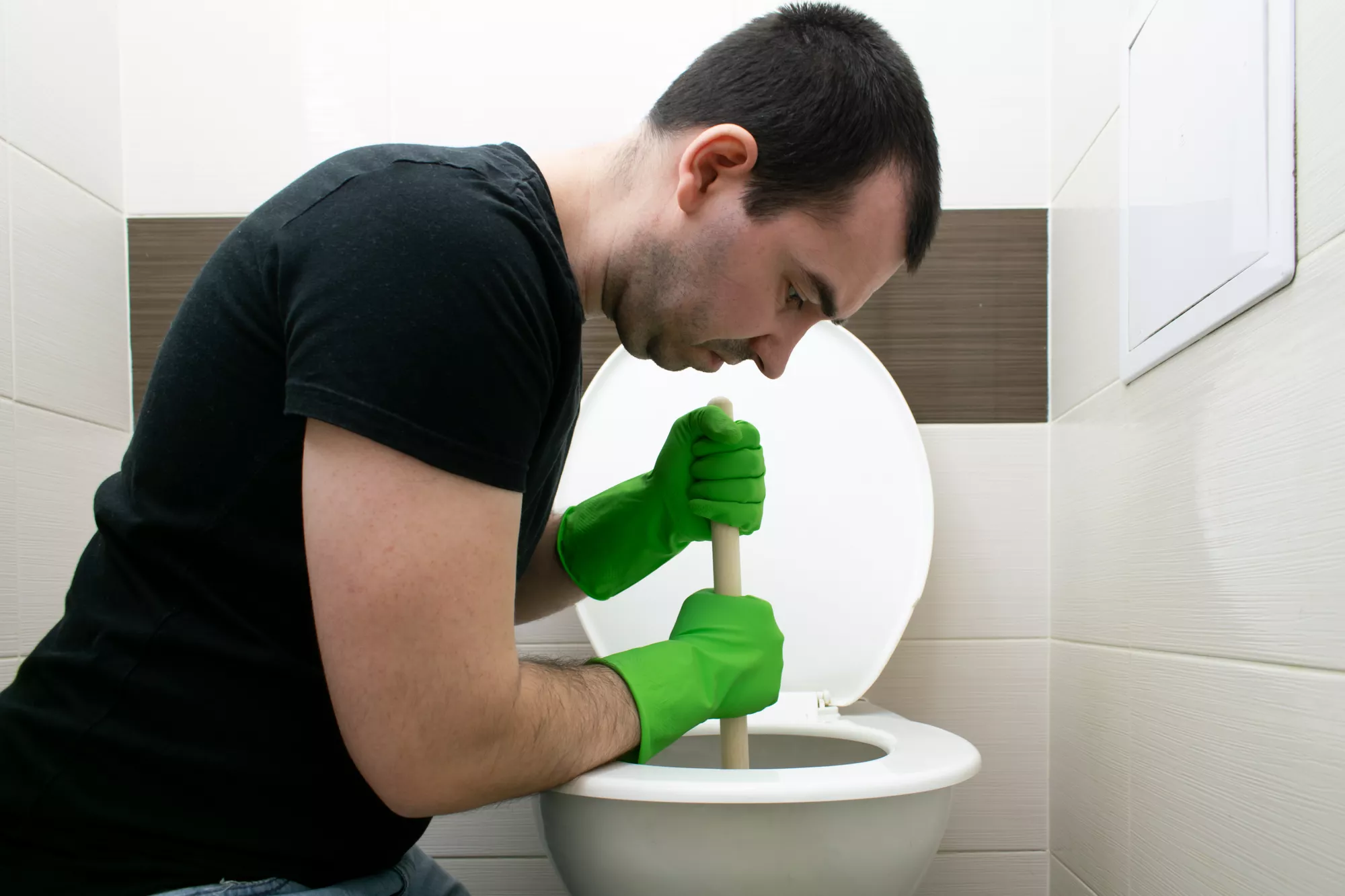
The plunger remains the most effective first-line tool for clearing minor toilet clogs. Choose a flange plunger rather than a flat one, as it creates a better seal in the curved toilet drain. The key is to generate enough pressure to dislodge the blockage without splashing or cracking the porcelain. When learning how to unclog a toilet, the proper use of a plunger often makes the most significant difference.
Place the plunger over the drain and push down slowly to form a seal, then pull upward with controlled force. Repeat several times in a steady rhythm, ensuring that the water level remains high enough to cover the plunger. Avoid plunging too aggressively, which can force water back up or break the seal. A few consistent thrusts should either move the clog or allow water to pass through more easily.
Check the water level after each attempt. If it drains slowly, the clog may be loosening and close to clearing. If no progress is made after several tries, it's time to move on to another method. A plunger is ideal for softer clogs, but not consistently effective for more stubborn blockages.
Regular plunging is a skill worth mastering. When used correctly, it prevents the need for chemicals or professional intervention. It’s the safest way to clear everyday toilet clogs. Start here before progressing to more aggressive techniques.
Use a Toilet Auger
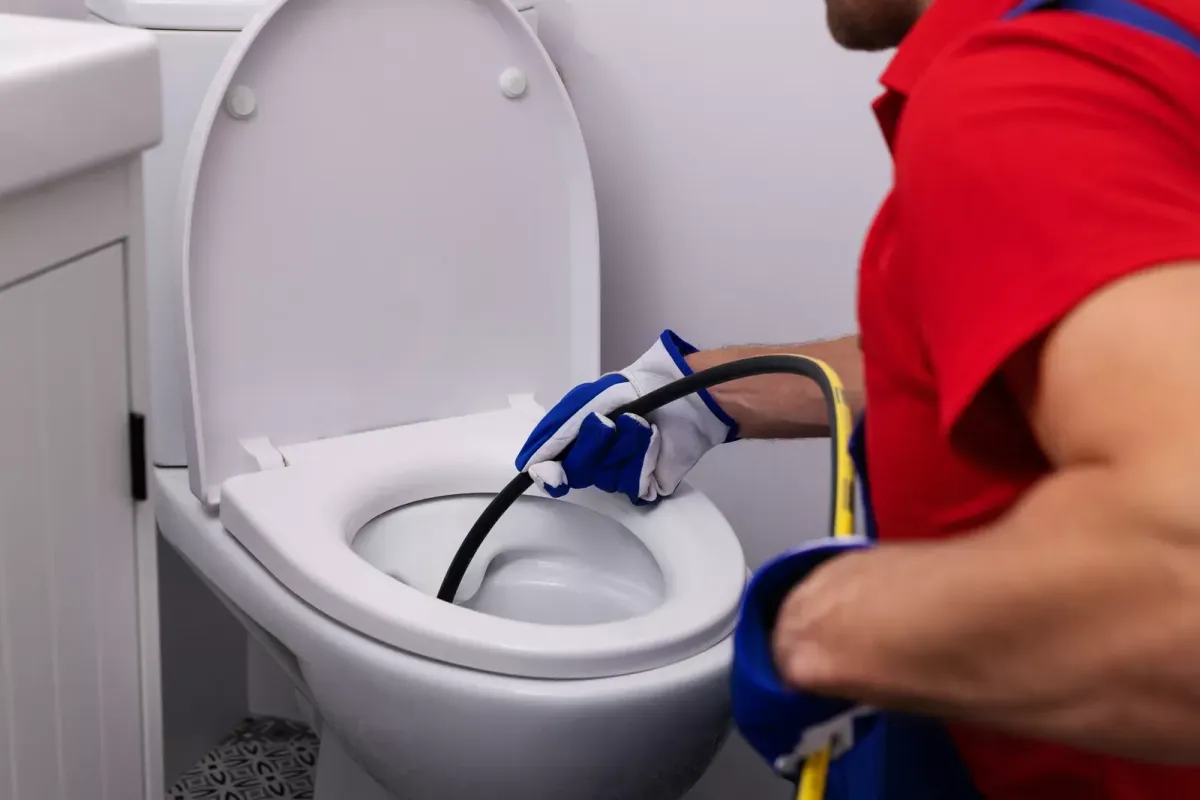
Some clogs are located deeper in the drain line and won’t respond to plunging. A toilet auger, also known as a closet auger, is explicitly designed to reach and break up tougher blockages. The flexible shaft can navigate the toilet’s curves and deliver force directly to the clog. When figuring out how to unclog a toilet that won’t budge, an auger is a safe and practical next step.
Insert the auger’s rubber-coated end into the bowl and crank the handle slowly. As the cable extends into the pipe, it will either hook or push through the blockage. Rotate the handle in both directions to break apart the material causing the backup. Once the auger reaches its full length, retract it slowly while continuing to turn the handle.
Flush the toilet to test whether the water drains freely. If the clog persists, repeat the process a second time to dislodge any remaining debris. Avoid using excessive force to prevent scratching or cracking the porcelain. Patience is key when working with augers.
Always sanitize the auger after use and store it separately from other tools. A toilet auger offers targeted cleaning power for more resilient clogs. It’s a valuable addition to your home plumbing kit. Knowing how to use it properly gives you an edge in any toilet emergency.
Try Hot Water and Dish Soap
Mild clogs that don’t involve solid objects often respond well to a mixture of hot water and dish soap. This technique helps break down waste and lubricate the drain for smoother, more efficient flushing. It's beneficial for clogs caused by excess toilet paper or organic material. When researching how to unclog a toilet without tools, this method is one of the most accessible.
Pour a generous amount of liquid dish soap into the toilet bowl and let it sit for 10–15 minutes. Follow up with a bucket of hot (not boiling) water poured from waist height to generate force. The soap helps break up the clog while the water adds pressure to push it through the pipes. Repeat the process if necessary, allowing more time between attempts.
This method is safe for all types of toilets and requires no special equipment. It’s an excellent option for those hesitant to use plungers or augers. Ensure the water isn’t too hot, as extreme temperatures can cause the toilet to crack. Consistency in application improves success.
Give the solution time to work before flushing. The combined heat and lubrication often resolves minor clogs without stress. It’s a clean, chemical-free alternative for managing light backups. Always keep dish soap on hand as part of your household toolkit.
Avoid Chemical Drain Cleaners When You Unclog a Toilet
Many homeowners turn to chemical drain cleaners as a quick fix for clogs. These products often contain harsh acids or alkalis that promise fast results but can damage plumbing over time. Frequent use can erode pipe linings, weaken seals, and even harm your toilet’s porcelain. If you're learning how to unclog a toilet safely, avoiding chemicals is a crucial rule.
Chemical cleaners often fail to clear serious clogs and may worsen existing blockages. If they don’t work immediately, the chemicals remain in the bowl, increasing the risk of splash burns during future plunges. Reactions between chemicals and materials already in your plumbing can produce dangerous fumes. The long-term risks far outweigh any short-term convenience.
There are safer, eco-friendly enzyme-based drain treatments designed for plumbing maintenance rather than emergency use. These products help prevent clogs but aren’t strong enough for active blockages. Save them for monthly upkeep instead of active repairs. Effective toilet unclogging relies on pressure, not corrosion.
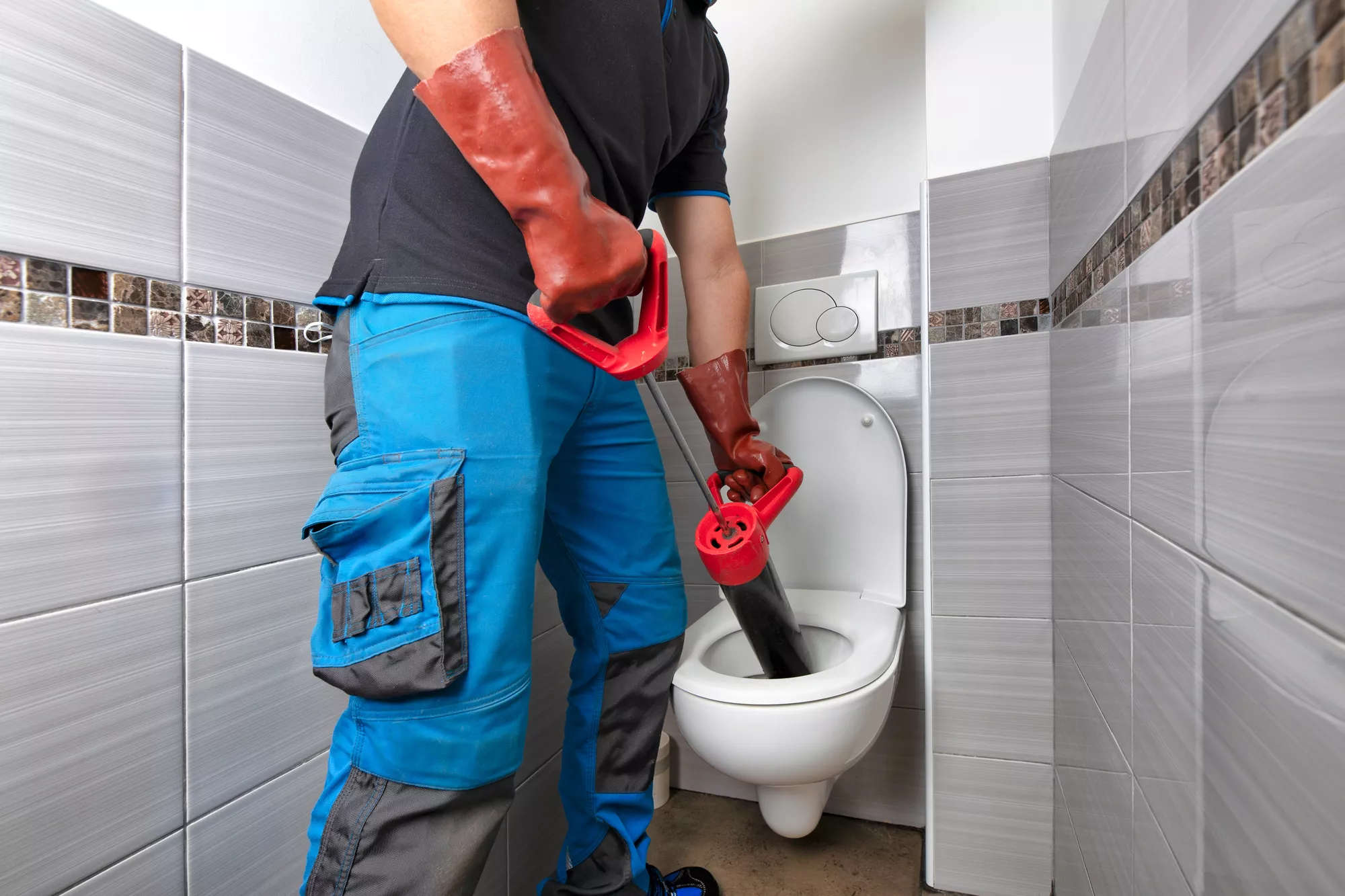
If you've already used a chemical cleaner, wait several hours before using a plunger or auger. Protective gloves and eyewear are recommended. In most cases, mechanical methods are both safer and more reliable. Skip the chemicals whenever possible and opt for proven, hands-on tools.
Know When to Call a Professional
Not every clog can be cleared with DIY tools. Repeated backups, slow drainage throughout the home, or sewage odors may indicate a deeper issue in your main sewer line. Professional plumbers have the equipment to inspect your system and locate the exact cause. Understanding when to escalate is part of knowing how to unclog a toilet responsibly.
Persistent problems often require thorough camera inspections or high-pressure jetting to be fully resolved. Plumbers also check for root intrusion, pipe collapse, or foreign objects that can't be removed manually. Avoiding unnecessary damage is a compelling reason to bring in an expert. The sooner you act, the less extensive the repairs may be.
Professional help prevents damage to pipes, walls, or flooring caused by overflow or prolonged leaks. Technicians can also offer advice on avoiding future clogs by recommending more effective maintenance practices. Don’t wait until water spills onto the floor to ask for assistance. Peace of mind is worth the service call.
Keep contact info for a trusted plumber handy for emergencies. A professional's knowledge ensures a lasting solution. When in doubt, get help. Your home and plumbing system will thank you.
Unclog Your Toilet with Confidence
Dealing with a clogged toilet doesn’t have to be a messy ordeal. With the right tools, techniques, and precautions, you can resolve most blockages safely and without stress. Learning how to unclog a toilet is a basic homeowner skill that saves time, money, and potential damage. Confidence in your approach turns a frustrating moment into a quick fix.
If you’re facing repeated clogs or something doesn’t feel right, Good Guys Plumbing is ready to help. Our expert technicians can diagnose, clear, and prevent serious toilet and drain issues with care and precision. Don’t let one minor clog turn into a bigger headache. Contact us for prompt, professional service when you need it most.
