How Tree Roots Can Destroy Your Sewer Line (And Warning Signs)
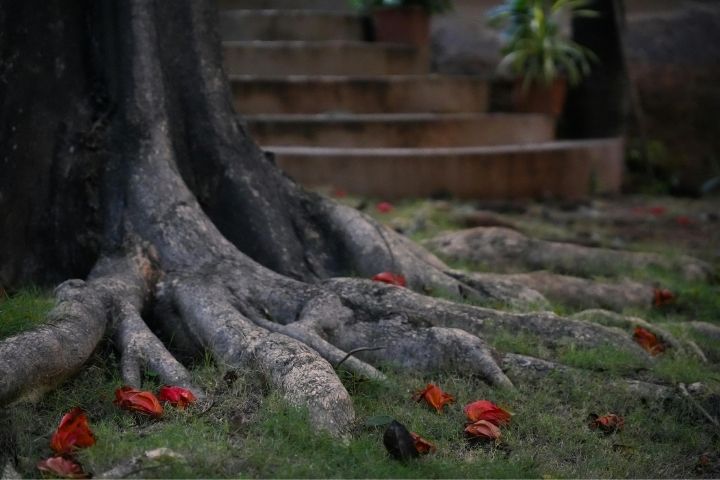
A healthy yard can hide a serious plumbing problem. Trees add shade, privacy, and curb appeal, but their underground roots can also seek moisture and find their way into small cracks or weak spots in an aging sewer line.
Once that happens, root intrusion can build slowly, with little warning at first. A drain that seems a little slower than usual, a bad smell outside, or a patch of extra-green grass can all point to a problem that started below the surface and gets worse with each season.
Roots do not need a wide opening to get in
Many homeowners picture a major break before they think about sewer damage, but roots often start with a much smaller entry point. A tiny crack, loose joint, or worn section of pipe can be enough to attract root growth over time. As the roots expand, they can trap waste, slow drainage, and put more pressure on the line. Seasonal moisture changes can make that damage even harder to ignore.
Why Tree Roots Go After Sewer Lines in the First Place
Tree roots are always looking for moisture, oxygen, and nutrients. A sewer line can offer all three, especially if the pipe already has a small crack, a weak joint, or an aging section underground. Even a minor opening can draw roots over time.
Most roots do not crash through a healthy pipe all at once. They usually slip into places where the line is already vulnerable, then keep growing as they follow the moisture inside. What starts as a thin root intrusion can become a dense blockage that is much harder to remove later.
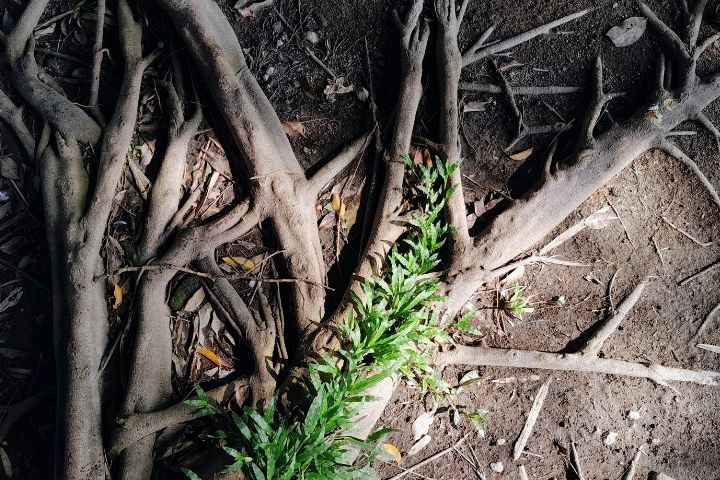
Tree roots that damage the sewer line are so frustrating for homeowners because they often remain hidden for too long. By the time symptoms become obvious indoors, the roots may already be restricting flow, damaging the pipe, or setting the stage for a much bigger sewer problem.
Early Tree Roots Sewer Line Damage Can Look Like a Minor Drain Problem
Early sewer trouble does not always feel like an emergency. A tub may drain a little slower, a toilet may start bubbling now and then, or a sink may seem sluggish without fully backing up. Those small changes are easy to dismiss, especially if they come and go.
In many homes, tree roots cause sewer line damage, which builds that way at first. As roots expand inside the pipe, they begin to catch waste and narrow the path the water needs to move through. That is when a “small clog” can turn into a repeating drain problem that keeps coming back.
Outdoor Warning Signs That Often Show Up Before a Sewer Backup
Some of the clearest warning signs appear outside before a backup occurs inside the home. Because they look like yard or drainage issues at first, many homeowners do not realize the sewer line may be involved.
A patch of grass above the sewer line looks greener or grows faster than the rest of the yard.
Soggy ground, soft spots, or unexplained damp areas can indicate a leaking line beneath the surface.
A foul sewer smell near the yard, driveway, or foundation may mean wastewater is not staying contained underground.
These clues are easy to overlook when they appear one at a time. When two or more show up together, tree roots sewer line damage becomes much more likely and should be checked before the line backs up completely.
Tree Roots Sewer Line Damage Gets Worse as the Roots Keep Expanding
Once roots get inside the pipe, they do not stay small for long. They keep spreading along the line, catching debris and slowing waste flow more with each use of the system.
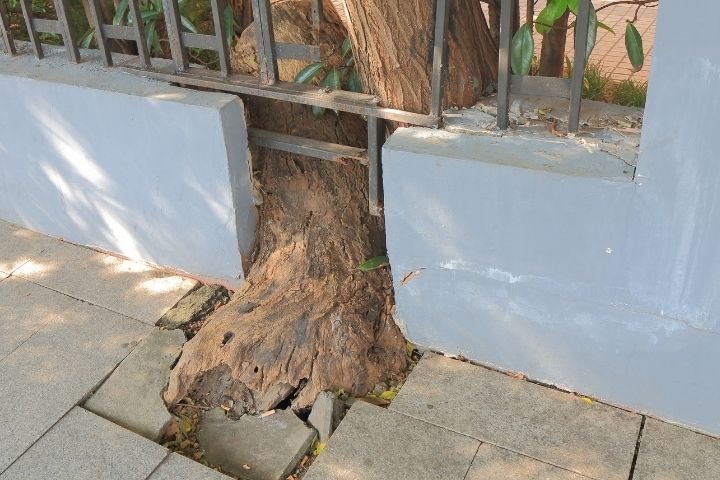
Tree roots sewer line damage can move from a partial blockage to a cracked or broken section of pipe if it is left alone. At that stage, the issue is no longer just about clearing roots, because the sewer line itself may already need repair or replacement.
Seasonal Changes Can Make Root Damage More Noticeable
Warm weather, heavy rain, and active growing seasons can all cause root intrusion to appear sooner. More moisture in the ground can encourage root growth, while increased household water use can make drainage problems more noticeable.
Seasonal shifts also make recurring symptoms harder to ignore. A line that struggled quietly before may start showing stronger signs, such as slower drains, bad odors, or wetter spots in the yard, once outdoor conditions put more stress on the system.
When to Call for Sewer Line Help Before the Damage Spreads
Recurring drain issues, bubbling toilets, sewage odors, or wet spots in the yard are all signs that the problem may be past the DIY stage. When those symptoms keep returning, tree roots sewer line damage is often deeper in the line than a basic drain cleaner or plunger can reach.
Waiting longer usually gives the roots more time to grow and the pipe more time to weaken. Getting the line inspected early can help confirm whether the issue is root intrusion, a damaged section of pipe, or a blockage that is starting to put the whole sewer system at risk.
Do Not Let Hidden Root Damage Turn Into a Sewer Emergency
Tree root problems rarely announce themselves all at once. They tend to build quietly underground, then show up as slow drains, yard changes, and repeat sewer issues that only get harder to ignore over time.
Good Guys Plumbing helps homeowners catch sewer line problems before root damage leads to a major backup or a larger repair. Reach out to Good Guys Plumbing today to get ahead of sewer line root damage before it leads to a bigger excavation or a
