Why Old Systems Cost More Over Time
An old plumbing system rarely announces its decline with one dramatic failure. Instead, it costs a little more here, wastes a little more water there, and needs a small repair every so often, until years pass and the household realizes the system has quietly cost far more than a replacement ever would have.
That slow accumulation is what makes old plumbing tricky to budget for. Outdated plumbing problems don't show up as one line item on a bill, they scatter across water use, energy use, repair calls, and the occasional emergency, which makes the true cost easy to underestimate until someone adds it all up.
How Age Changes What a Pipe Actually Costs to Own
A pipe installed decades ago was built to standards and materials common at the time, and both have changed considerably since. Older materials like galvanized steel corrode from the inside, which narrows the interior of the pipe and forces a system to work harder to deliver the same flow.
That extra effort translates into higher energy use for anything connected to hot water, plus reduced pressure that leads households to run fixtures longer than necessary. A pipe that once functioned fine now costs more to use every single day, even though nothing about it looks obviously broken from the outside.
Corrosion as a Hidden Monthly Expense
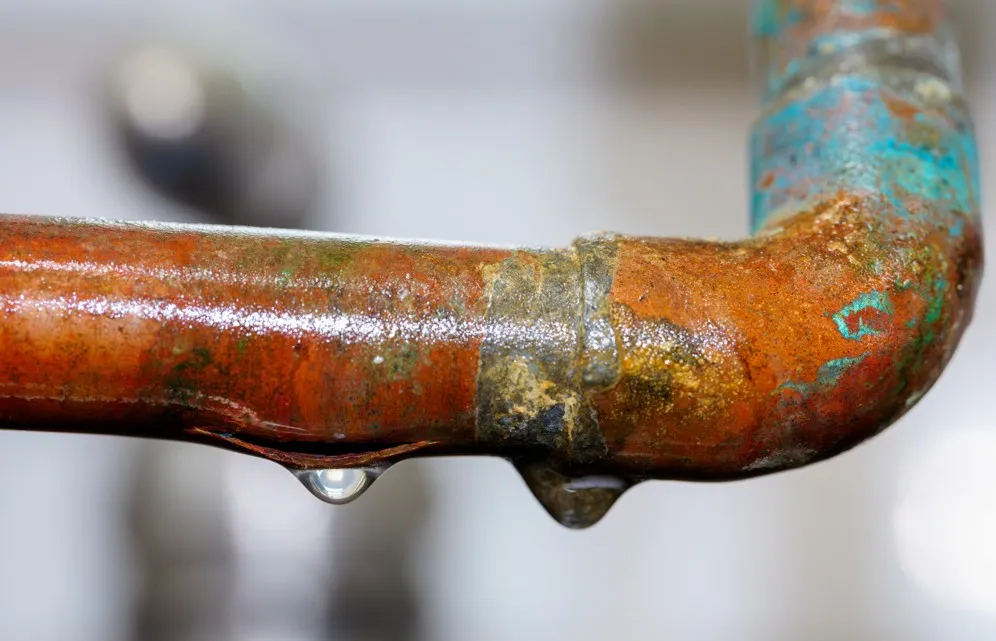
Corrosion inside a pipe rarely announces itself directly. It shows up instead as discolored water, reduced pressure, or a slightly metallic taste, symptoms easy to dismiss individually but expensive in combination once they start to compound.
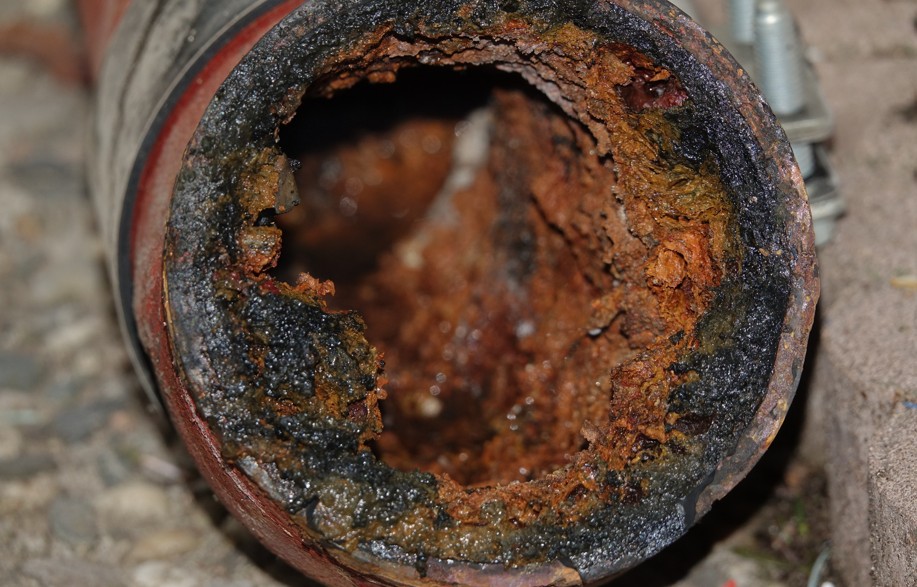
Corrosion in household pipes tends to accelerate once it starts, since the rough, pitted surface it creates traps minerals and debris that speed up further decay. A pipe that corrodes for years before failing outright often costs a household more in reduced efficiency during that slow decline than the eventual repair itself ends up costing.
Small Issues That Compound into Big Repairs
Old systems generate more small issues than newer ones, and each of these carries a cost even when it never escalates into an emergency. A slow leak here, a fitting that needs tightening there, none of these feel significant on their own.
Small plumbing problems rarely stay small in an aging system, though. What starts as a minor drip can soak into surrounding materials for months before anyone notices, and by the time it surfaces as a visible problem, the repair often includes drywall, flooring, or subfloor work on top of the original plumbing fix.
Water Damage That Builds Without Warning
Aging pipes carry a risk that goes beyond their own repair cost. As materials weaken with age, the odds of a leak that causes real structural damage climb steadily, even in a system that has otherwise held up reasonably well.
Water damage from aging pipes often starts small and hidden, behind a wall or under a floor, before it grows large enough to notice. By that point, the cost includes not just the plumbing repair but also the materials damaged around it, a combination that almost always costs more than either problem would have alone.
Signs a System Has Crossed into Expensive Territory
A few signals tend to appear once an old system starts costing noticeably more than it should:
Water bills that climb without any change in household habits
Recurring leaks in different spots rather than one persistent problem
Pressure that has dropped gradually over several years
More frequent calls for small repairs than in years past
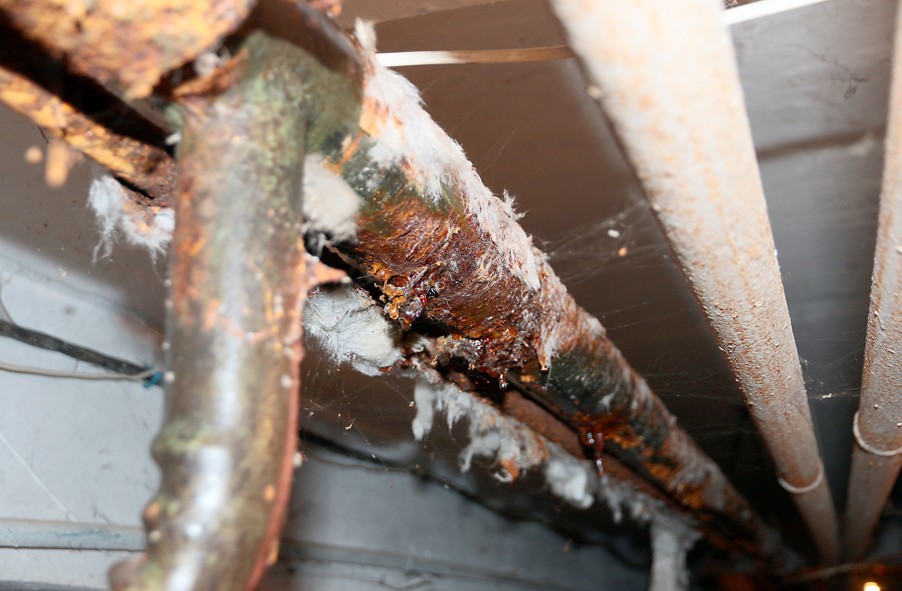
Visible corrosion or discoloration on exposed pipes
None of these alone confirms a system has become a financial drain, but several appearing together usually means the age of the plumbing has started to outweigh what maintenance alone can fix.
Recognizing When Replacement Beats Continued Repair
At some point, pipes that have aged past their useful life stop being worth the ongoing cost of repair. Each new fix addresses one symptom while the underlying material keeps deteriorating, which means the next problem is often already forming even as the current one gets resolved.
A full or partial re-pipe carries a real upfront cost, but it removes the recurring expense that an aging system generates year after year. Proper repair work along the way can extend a system's useful life, though even the best repairs eventually reach a point of diminishing returns once the material itself has simply run its course.
Old plumbing rarely costs a household one large sum all at once. It costs a little more every month, in ways that are easy to overlook until the total finally comes into focus. Good Guys Plumbing has helped Southern Illinois homeowners recognize that point for decades, before an aging system costs more than it would have to simply replace it. Stop paying for inefficiency and find out where your system actually stands.
