How to Avoid Water Damage from Aging Pipes
Water damage can silently threaten family homes, leading to costly repairs and unexpected problems. Homeowners often overlook the early warning signs ofaging pipes, assuming minor leaks or discoloration are insignificant. Understanding the risks of these plumbing issues is the first step in preventing emergencies.
Recognizing early signs of deterioration allows families to address problems before they escalate into serious water damage. Routine inspections and preventive measures help keep your plumbing system reliable and minimize disruptions to your daily life. Homeowners in older Southern Illinois homes benefit especially from staying proactive.
What Are the Key Signs of Aging Pipes in Your Home?
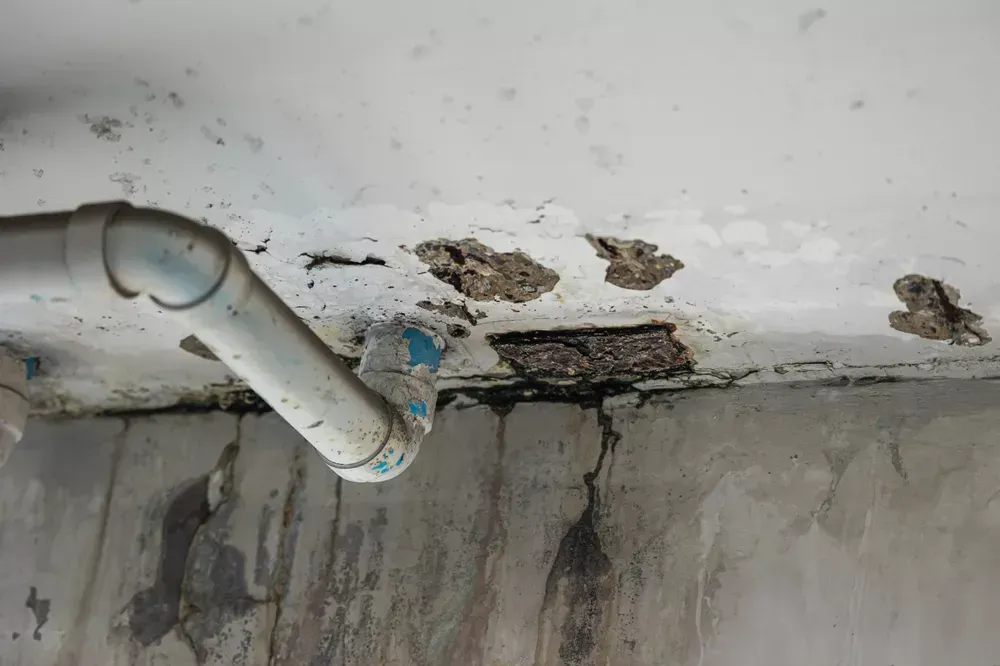
Homeowners may wonder how to recognize aging pipes before they cause major water damage. Visible corrosion, recurring leaks, and low water pressure often indicate that the plumbing is nearing the end of its lifespan. Additionally, discolored water or unusual odors can reveal internal pipe deterioration that requires prompt attention.
Minor Leaks: Small Clues to Bigger Problems
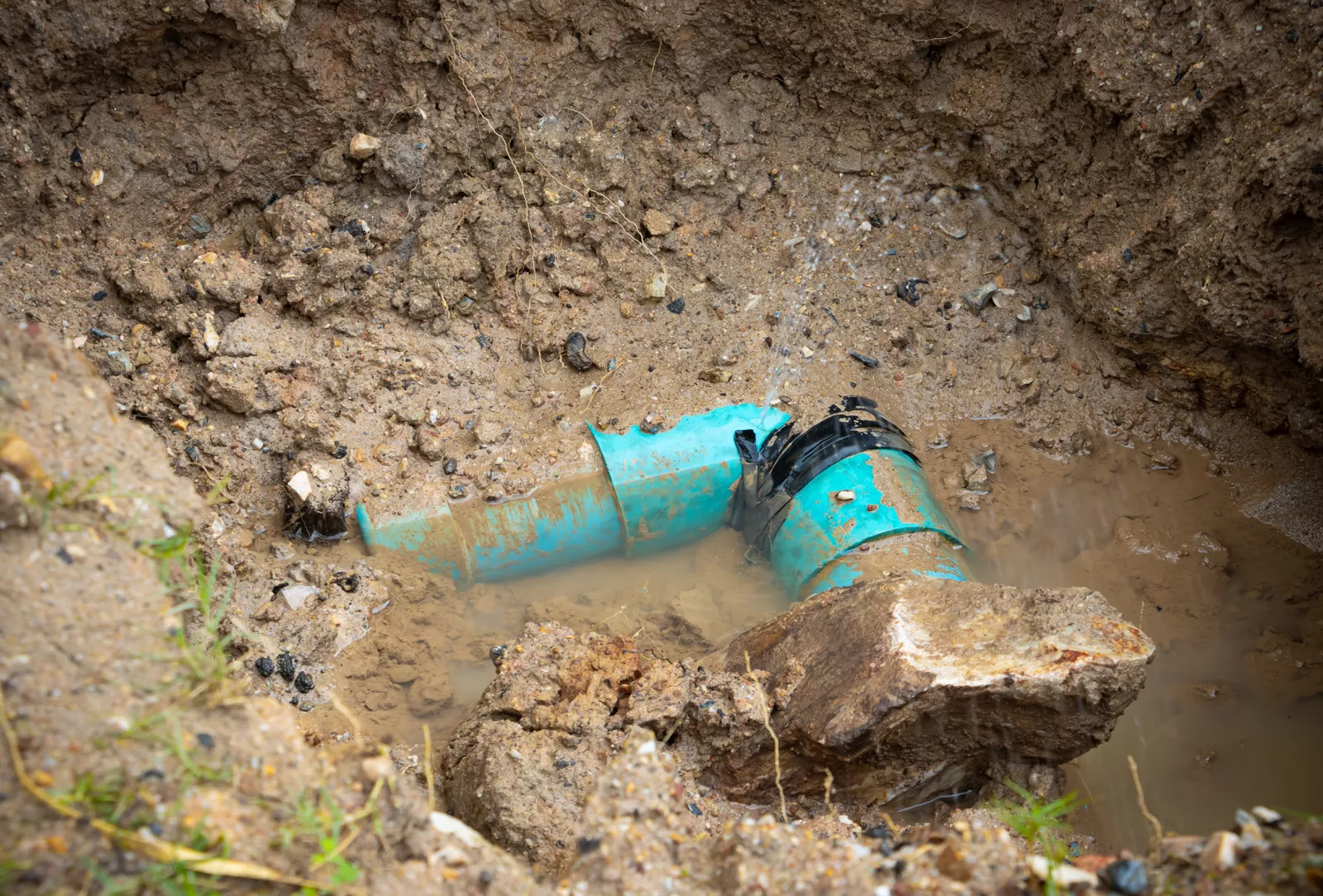
Even minor leaks can signal hidden issues within your plumbing system. Catching them early helps prevent costly water damage and other complications.
Homeowners should watch for these small clues:
Dripping faucets or running toilets that persist.
Wet spots or stains on walls, ceilings, or floors.
Damp or musty smells around plumbing fixtures.
Leaks near water heaters, dishwashers, or laundry areas.
Strange noises such as gurgling or banging in pipes.
Understanding environmental impacts is also essential for preventing pipe damage. Tree roots, shifting soil, and heavy rainfall can worsen wear on aging pipes. The guide on How to Prevent Tree Roots from Damaging Pipes offers practical steps to protect underground lines from root intrusion.
Preventative Steps for Protecting Homes from Water Damage
Taking proactive measures can significantly reduce the risk of water damage caused by aging pipes that are failing. Regular maintenance not only extends the life of your plumbing system but also provides peace of mind for homeowners. Addressing small issues before they escalate helps avoid costly repairs and disruptions.
Homeowners can follow these practical steps to protect their homes:
Schedule routine plumbing inspections to identify early signs of deterioration.
Flush water heaters periodically to remove sediment buildup and maintain efficiency.
Insulate exposed pipes to prevent freezing and reduce stress on joints.
Monitor water pressure to avoid strain that can lead to leaks.
Install drain strainers to catch debris and prevent clogs in sinks and tubs.
Ensure sump pumps are working correctly to manage excess water during heavy rain.
Check for signs of corrosion or rust on visible pipes and joints.
Keep trees and vegetation away from underground lines to prevent root intrusion.
Test water quality regularly to detect mineral buildup that can weaken pipes.
Following regular plumbing inspections helps homeowners avoid emergencies while extending the lifespan of their plumbing. Proactive care of water flow and drainage systems keeps water quality safe and minimizes the risk of blockages. These steps are especially important for older homes with vulnerable plumbing infrastructure.
Water Pressure and Quality’s Impact on Aging Pipes
High water pressure or mineral-rich water can significantly affect the lifespan of pipes. Consistently elevated pressure stresses pipe joints and can accelerate leaks in older plumbing systems. Testing water quality for hardness and contaminants helps determine whether additional filtration is necessary.
Rusty or sediment-filled water often indicates internal corrosion, which weakens pipe walls over time. Installing pressure regulators or water softeners helps protect plumbing while maintaining efficient flow. Understanding how pressure and quality affect pipes allows homeowners to take appropriate action.
Monitoring daily water use also helps identify potential issues with aging pipes early. Sudden pressure drops or inconsistent flow often signal underlying pipe damage or leaks. Addressing these symptoms promptly can help prevent further deterioration.
When Professional Assessment Becomes Essential
Certain conditions, such as recurring leaks, bulging walls, or foul-smelling water, require immediate evaluation by a licensed professional. Experts provide accurate diagnostics and recommend repair or replacement strategies for aging pipes based on their material and condition. Prompt professional assessment ensures both safety and compliance with local plumbing codes while reducing the risk of extensive water damage.

Older homes often contain galvanized or cast-iron pipes that are more prone to corrosion, fractures, and sudden failure if ignored. Professional consultations help homeowners prioritize maintenance schedules, plan phased replacements, and minimize disruption during necessary repairs. Taking proactive action prevents emergency interventions, reduces repair costs, and preserves the long-term reliability of the plumbing system.
Special Considerations for Homes with Aging Pipes
Older homes often come with plumbing systems that require more attention than newer constructions. Underground lines may be prone to root intrusion or shifting soil, while indoor pipes might use outdated materials. Understanding these unique challenges allows homeowners to prevent surprises and maintain reliable water flow.
Key Considerations for Maintaining Older Plumbing
Seasonal Stress: Freezing temperatures in winter and heavy runoff in spring can cause cracks or bursts in aging pipes. Insulating exposed pipes and ensuring proper drainage mitigates seasonal damage.
Pipe Material and Corrosion: Galvanized, cast iron, or early copper pipes are more susceptible to corrosion, leaks, and reduced water flow. Regular inspections help detect early signs before they become serious problems.
Underground Vulnerabilities: Shifting soil, tree roots, and erosion can damage buried water and sewer lines. Following guidance from How We Handle Plumbing for Older Homes helps protect underground systems effectively.
Hidden Leaks: Pipes behind walls, under floors, or in crawlspaces can deteriorate unnoticed, leading to water damage or mold. Monitoring the entire system—not just visible fixtures—is critical for early detection.
Outdated Fixtures and Connections: Older homes may have plumbing joints, valves, or fittings that do not meet modern standards. Upgrading critical components reduces the risk of leaks and improves overall system reliability.
Water Quality Concerns: Aging pipes can contribute to sediment buildup, discoloration, or metal contamination. Testing water quality and addressing issues with filtration or pipe replacement preserves both safety and performance.
Maintenance Scheduling: Older systems benefit from more frequent check-ups than newer homes. Routine plumbing inspections help catch small issues before they escalate into major repairs.
By addressing these special considerations, homeowners can protect their properties and extend the life of their aging pipes. Proactive attention ensures safety, prevents costly water damage, and maintains reliable water flow throughout the home.
Protect Your Home and Pipes Today
Addressing aging pipes early prevents water damage, mold, and expensive repairs. Proactive inspections, maintenance routines, and monitoring water quality extend the life of plumbing systems in older homes. Keeping an eye on leaks, water pressure, and seasonal stressors helps families avoid sudden emergencies.
Protect your home by tackling aging pipes before damage occurs. Schedule a consultation with Good Guys Plumbing today to receive expert guidance, practical solutions, and reliable care tailored to your Southern Illinois home. Their team helps families maintain safe, functional, and long-lasting plumbing systems with integrity and expertise.
