

When a Leak Becomes an Emergency
A dripping faucet and a soaked ceiling are both leaks, but they do not carry the same urgency. Somewhere between the two sits a line that separates a manageable nuisance from a problem that needs plumbing leak repair today, not next week.
The tricky part is that leaks rarely announce which side of that line they fall on. A small drip can sit quietly for months, while a hidden leak behind a wall can cause real damage before anyone notices a thing. Knowing the serious water leak signs ahead of time helps you respond with the right amount of urgency instead of guessing.
When a Slow Drip Is Still Just a Slow Drip
Not every leak demands an emergency call. A faucet that drips once every few seconds, a toilet that runs occasionally, or a slow trickle you can contain in a small container usually falls into the category of annoying rather than urgent. These issues still deserve attention, but they can typically wait for a scheduled appointment.
The key factor is stability. If the leak has not changed, is not spreading, and is not affecting more than one small area, you have some room to plan the repair rather than rush it.
Signs a Leak Has Moved into Emergency Territory
Some leaks change character quickly, and recognizing the shift matters more than the leak itself. Watch for these serious water leak signs that mean the situation has escalated:
Water pooling faster than a towel or bucket can manage
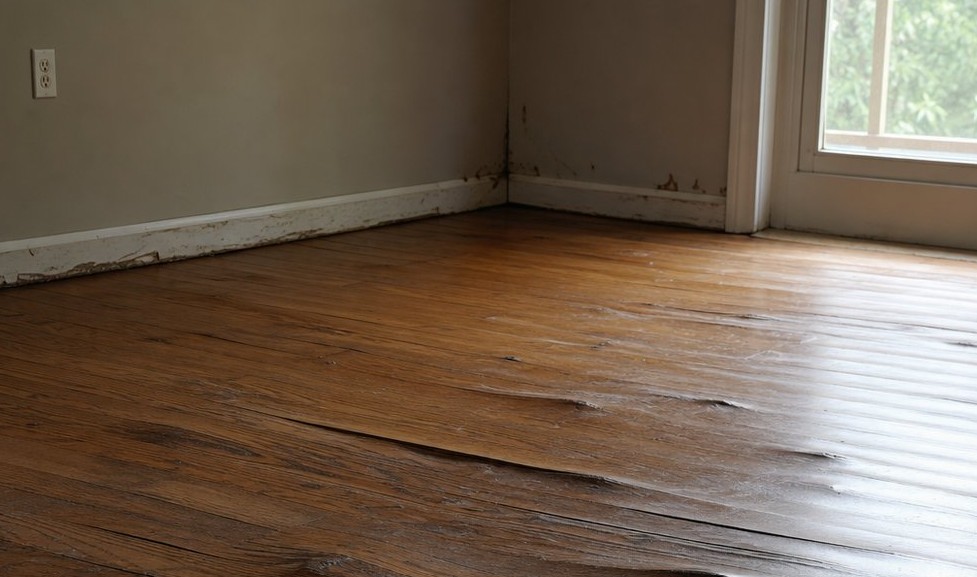
A wall, ceiling, or floor that feels soft, warped, or bulging
A sudden spike in water pressure loss across multiple fixtures
Water reaching electrical outlets, switches, or wiring
A musty smell that appears suddenly rather than building slowly
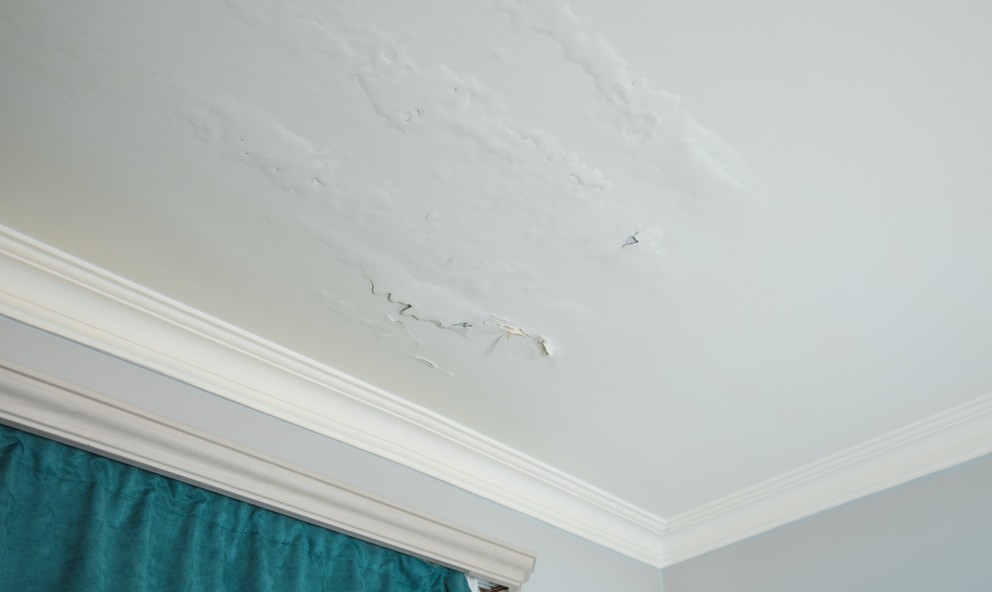
If you notice more than one of these at the same time, the leak has likely moved past the point where waiting makes sense.
Hidden Leaks That Escalate Without Warning
The leaks that catch homeowners off guard are usually the ones they cannot see. A pipe behind a wall or under a slab can leak for weeks before any visible sign appears, and by the time it does, the damage is often already spreading. Learning how to spot a hidden water leak early can be the difference between a simple patch and a much larger repair.
Underground leaks follow a similar pattern. Soggy patches in the yard, an unexplained rise in your water bill, or warning signs tied to underground water leaks often show up long after the leak actually started, which is part of what makes them dangerous.
When Structural Damage Enters the Picture
A leak stops being a plumbing-only problem the moment it starts affecting the structure of your home. Sagging drywall, buckling flooring, or a ceiling that feels spongy to the touch all point to water that has been sitting somewhere it should not be for far too long.
At this stage, the repair usually involves more than fixing the source. Materials may need to be replaced, and mold becomes a real concern once moisture has had time to settle into wood, insulation, or subflooring. The longer this kind of damage goes unaddressed, the more expensive and disruptive the eventual fix becomes.
Leaks That Hide in Plain Sight
Some of the hardest leaks to catch are not dramatic at all. A slow leak under a sink, a worn seal behind an appliance, or a fitting that has loosened over time can waste water for months without anyone noticing anything beyond a slightly higher bill. Detecting these hard-to-spot leaks usually requires a closer look than a quick glance under the cabinet.
Routine checks in kitchens, bathrooms, laundry rooms, and around water heater connections catch a surprising number of these leaks before they turn into something bigger. A few minutes of attention every couple of months goes a long way toward preventing an emergency later.
Deciding When to Act Fast
Not all leaks are equal, and that is really the heart of the matter. A contained drip can wait for a normal appointment, but active spreading, structural softness, electrical risk, or a leak that has clearly been running for a while all call for immediate attention.
When in doubt, it is usually smarter to have a professional take a look than to assume the leak will stay small. A quick inspection can confirm whether you are dealing with a minor fix or something that needs to move to the top of the list.
Good Guys Plumbing has helped Southern Illinois homeowners tell the difference between a leak that can wait and one that cannot for decades. If your leak matches any of the signs above, do not wait to find out which category it falls into. Call now for plumbing leak repair before the damage spreads any further.
