
Detecting Hard-To-Spot Household Plumbing Leaks
Plumbing leaks often start small, hiding behind walls, under floors, or beneath appliances, yet they can quickly escalate into costly problems. Homeowners might overlook subtle signs like damp patches, faint odors, or unusual water bills, unaware that even a minor leak strains plumbing systems over time. Early detection is crucial for preserving your home, preventing mold, and avoiding inflated utility costs.
Many subtle leaks occur in hard-to-see places, from crawlspaces to laundry areas, making routine inspection essential. Moisture sensors, thermal imaging, and careful observation provide practical ways to identify these hidden issues before they worsen. Recognizing potential leaks early can save significant repair costs and maintain household comfort throughout the year.
What Are the Signs of Hidden Plumbing Leaks?
Plumbing leaks often reveal themselves through subtle, persistent signs that homeowners can detect with attention. Observing water usage, checking under sinks, and looking for damp areas quickly uncovers issues before they escalate. Early recognition allows families to act promptly and prevent more extensive damage.
Where Are the Most Common Hidden Leak Locations?
Small issues can gradually cause serious water damage, mold growth, and higher utility bills if ignored. Even subtle plumbing leaks often go unnoticed in areas that are rarely inspected. Identifying common problem spots helps homeowners act quickly before issues become costly or disruptive.

The following are some of the most frequent hidden leak locations in homes:
Kitchen cabinets, under sinks, and behind dishwashers: Connections here may loosen over time, causing slow drips or pooling water, so proper alignment and accessibility are essential, similar to best practices for choosing the right plumber.
Laundry rooms and utility sinks: Hoses and fittings can degrade, creating concealed moisture; routine care, like maintaining shower and tub plumbing, helps catch leaks early.
Behind walls and under floors in older homes: Pipes hidden from view may slowly leak, often resulting in warped flooring, ceiling stains, or musty odors.
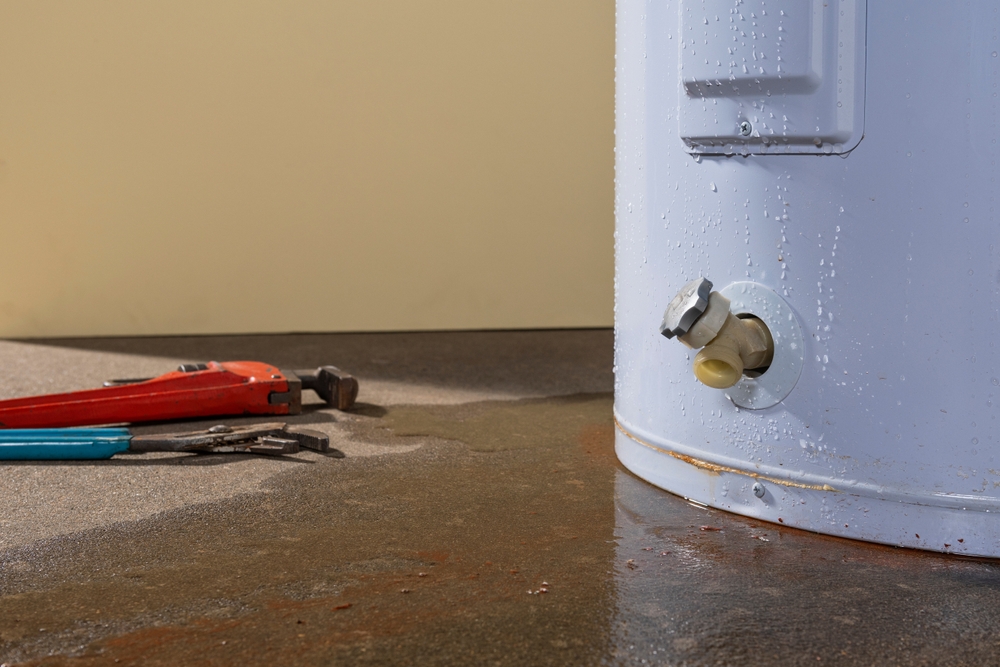
Water heaters and tank connections: Corrosion or loose fittings can produce unnoticed drips that contribute to hidden plumbing leaks.
Basements, crawlspaces, and sump pump areas: Hidden leaks can form around foundations or near pumps, especially during seasonal changes, causing water damage if ignored.
Monitoring these areas regularly allows homeowners to detect issues before they escalate. Prompt attention to early signs prevents costly repairs and protects both the home and family well-being.
How Can You Detect Plumbing Leaks Effectively?
Moisture sensors and smart water meters provide reliable ways to monitor hidden leaks. These devices alert homeowners to abnormal water presence, even when no visible puddles exist. Advanced detection strategies, such as carefully spotting a hidden water leak, allow accurate identification without invasive inspection.
Acoustic sensors and thermal imaging detect leaks in pipes embedded within walls or floors. These tools reveal temperature anomalies or sound patterns indicative of moisture. Applying these methods reduces guesswork and ensures precise identification of potential issues.
Simple visual inspections complement high-tech solutions. Looking for discolored grout, water stains, or soft spots in flooring helps catch plumbing leaks early. Combining observation with technology creates a comprehensive approach to household leak management.
What Are the Signs of Slow or Subtle Plumbing Leaks?
Slow or subtle plumbing leaks can develop over time without obvious signs, gradually causing damage if ignored. Homeowners may notice minor changes in their home environment, but often do not connect them to hidden water issues. Recognizing early indicators allows prompt action to prevent mold, structural damage, and costly repairs.
The following are five common signs that slow or subtle plumbing leaks might be present:
Persistent musty odors: Unusual smells in bathrooms, kitchens, or laundry rooms often indicate moisture hidden from plain view.
Damp spots on walls or floors: Localized wet areas can appear near plumbing lines, signaling concealed leaks before visible damage spreads.
Discoloration on walls or ceilings: Yellow or brown stains frequently develop over time, highlighting areas affected by hidden water intrusion.
Decreasing water pressure: Even slight drops across fixtures can indicate diversions or slow leaks in the supply line.
Warped or soft flooring: Flooring that feels spongy or begins to warp often points to prolonged exposure to unnoticed plumbing leaks.
Monitoring for these signs helps homeowners detect issues before serious damage occurs. Acting quickly when early indicators appear prevents more extensive repairs and preserves both home integrity and safety.

Steps for Temporary Mitigation Until Professional Help Arrives
Shutting off the main water supply reduces ongoing damage from active leaks. Temporary containment, such as placing towels under drips or using buckets, helps limit water exposure. Prompt action minimizes immediate harm while waiting for expert repair, especially during plumbing emergencies.
Regularly inspect potential leak sites during temporary measures. Catching expanding drips or newly wet areas allows homeowners to adjust containment efforts. This vigilance protects flooring, walls, and structural components from worsening damage.
Documenting observations and suspected plumbing leaks aids professional plumbers in addressing the problem efficiently. Photographs and notes guide repair strategies and expedite service. Early reporting ensures effective mitigation and reduces long-term repair costs.
Why Timely Detection Prevents Extensive Damage
Ignoring minor plumbing leaks can lead to significant water damage, mold, and structural compromise. Early identification preserves household integrity and prevents costly restoration projects. Homeowners who act promptly save both money and stress associated with emergency repairs.
Preventive measures and routine monitoring significantly reduce the risk of hidden plumbing problems. Regular maintenance, informed observation, and timely consultation create a resilient home plumbing system. For expert detection and repair, Good Guys Plumbing specializes in protecting Southern Illinois homes from hidden leaks. Talk to us today to secure your family’s comfort and safety.
