
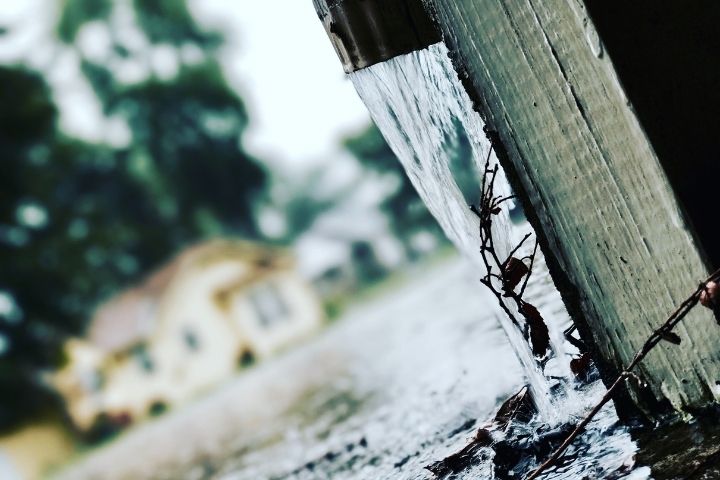
Why Spring Rain Impacts Your Plumbing System
Spring rain can make small drainage concerns show up fast. A few heavy showers may leave water standing near the house, slow drains, or create pressure in areas that already struggle to keep up. When the ground stays wet, plumbing problems that were easy to miss during dry weather can become much harder to ignore.
The issue is not always the rain itself. Many drainage issues homeowners notice in spring stem from preexisting weak spots, such as slow drainage, older sewer lines, poor runoff paths, or low areas around the property. When rainfall adds more water to the mix, those weak spots can turn into backups, pressure problems, or damp areas that need attention.
Rain Changes How Water Moves Around the Home
Spring rain can shift water toward places that are already under stress. Soil fills up, runoff moves toward low areas, and drains may have to handle more water than usual in a short amount of time. When plumbing problems appear after heavy rain, it is often a sign that the system needs a closer look before the next storm makes those weak spots worse.
Why Spring Rain Can Expose Plumbing Problems
Rain does not have to create a new issue to cause trouble. Sometimes it simply adds enough strain on the property to reveal plumbing problems that were already developing, such as slow drains, weak sewer flow, or areas where water does not drain away from the home properly.
When soil is saturated, water around the house has fewer places to drain. That extra moisture can make small drainage concerns more noticeable, especially if runoff keeps moving toward the same low spots after every storm.
Drainage Issues Homeowners May Notice After Heavy Rain
Drainage issues that homeowners notice after spring rain can appear in ways that seem unrelated at first. A basement may feel damp, a floor drain may move slowly, or water may sit near the foundation longer than expected after the rain stops.
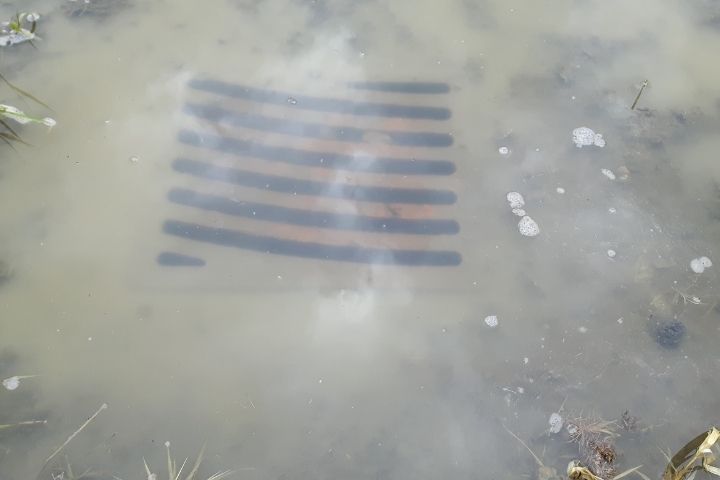
Inside the home, plumbing problems may appear as gurgling sounds, slow drains, or water backing up in lower fixtures. Outside, signs may include standing water near downspouts, soggy areas near walkways, or runoff that keeps flowing toward the house rather than away from it.
The timing is the clue. If these problems occur after heavy rain and then ease during dry weather, the plumbing system may be responding to pressure from excess water around the property.
How Rainwater Pressure Can Affect Sewer Lines
Heavy spring rain can add pressure around sewer lines, especially when the ground is already saturated. If the line is older, partially blocked, or not draining well, that extra water around the system can make existing plumbing problems more noticeable.
Sewer lines are designed to move wastewater away from the home, but they can struggle when the surrounding drainage is poor. Water that lingers near the line or pushes toward low areas may contribute to slow flow, backups, or odors when the system is already under stress.
The issue may not show up the same way in every home. Some homeowners may notice a slow-draining basement, while others may hear gurgling or see water backing up in a lower fixture after a storm.
Plumbing Problems That Get Worse During Wet Weather
Plumbing problems often feel more urgent during wet weather because rain adds pressure to areas that may already be weak. A drain that was only slightly slow before may become more noticeable once heavy rain keeps water moving toward the home.
Watch for patterns such as drains slowing after rain, water backing up in low-lying fixtures, damp basement areas, gurgling sounds, or water collecting outside near the house. One sign may not confirm a larger issue, but repeated storm-related symptoms are worth checking.
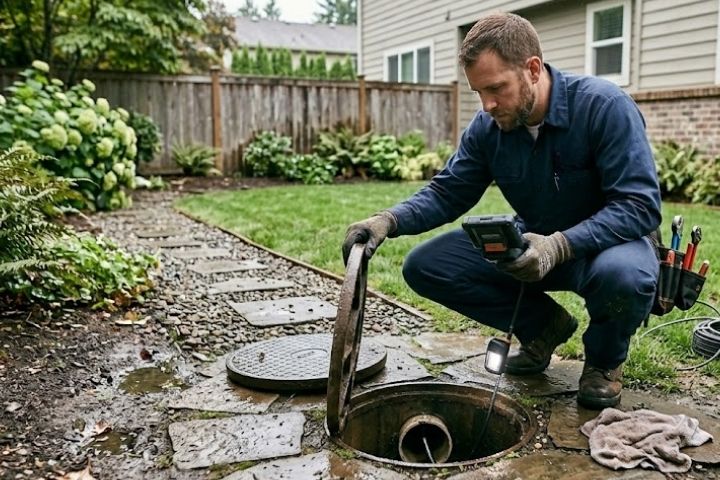
When those signs appear together, they may point to more than a one-time drainage issue. Rain can reveal how well the plumbing system handles extra water, and repeated problems after storms should be inspected before the next round of heavy weather.
Why Drainage Issues at Home Can Turn Into Plumbing Problems
Drainage issues at home are easier to manage when they are addressed before they become plumbing problems that keep recurring after rain. If water keeps backing up, pooling near the house, or affecting lower drains after rain, the system may be struggling with more-than-normal spring runoff.
Waiting can give water more time to stress the same weak areas repeatedly. A small warning sign after one storm may turn into a bigger drain or sewer problem once heavy rain becomes more frequent.
Get Ahead of Drainage Problems Before the Next Heavy Rain
Spring rain can make plumbing problems show up at the worst time, especially when drains or sewer lines are already under strain. Good Guys Plumbing can check drainage concerns, review problem areas, and help determine whether the issue is tied to slow drains, sewer flow, or water collecting around the home.
If your plumbing acts up every time heavy rain moves through, do not wait for the next backup to clear the problem. Get ahead of drainage problems by asking our team to inspect the issue before the next storm turns it into a bigger drain or sewer repair.
