Winter Plumbing Maintenance Tips for Family Safety
Cold weather places heavy demands on household plumbing systems, making preventive care essential for safety and performance. Frozen pipes, leaks, or water heater failures can disrupt comfort and cause costly damage during harsh winters. Following practical maintenance steps ensures reliable water flow and protects your family’s home throughout the season.
Winter plumbing maintenance also helps reduce energy use, extend equipment lifespan, and prevent emergency breakdowns. Families who plan ahead enjoy consistent performance without the stress of unexpected repairs. Routine checks and professional servicing help keep systems stable and efficient during prolonged cold periods.
Winter Plumbing Maintenance Tips for Family Safety
Winter plumbing maintenance requires inspection, insulation, and consistent temperature control throughout the home. Homeowners should seal exposed pipes, flush water heaters, and ensure proper drainage. Taking preventive action before freezing weather arrives prevents emergencies and safeguards family comfort.
How Cold Weather Impacts Household Plumbing Systems
Low temperatures increase the risk of frozen pipes, leaks, and reduced water pressure in winter plumbing systems. Water expands when frozen, putting pressure on joints and fittings that can eventually burst. Systems located in unheated or poorly insulated areas face the highest exposure to cold.

Maintaining steady indoor temperatures helps reduce the chance of freezing in vulnerable spaces. Open cabinet doors beneath sinks and allow air to circulate freely. Keeping thermostats above 55 degrees Fahrenheit prevents internal pipe freezing even during extended absences.
Professional inspections before winter identify leaks, weak insulation, and other hidden risks. Addressing these early prevents costly repairs and property damage later in the season. Homeowners who schedule annual maintenance enjoy uninterrupted plumbing function throughout winter.
Why Pipe Insulation Protects Winter Plumbing Systems
Insulating exposed pipes is an essential step to protect winter plumbing systems from extreme cold. Foam sleeves, heat tape, or fiberglass wrapping provide effective barriers that maintain water flow. Proper insulation reduces freezing risk in basements, crawl spaces, garages, and exterior walls.
Cold air infiltration quickly lowers pipe temperature in unheated zones. Sealing gaps near vents, doors, and foundations preserves warmth inside the system. Small improvements in insulation prevent large-scale issues during freezing conditions.
Inspect insulation annually to ensure materials remain dry and secure. Wet or deteriorated coverings lose effectiveness and allow cold air penetration. Replacing worn insulation ensures continued protection and efficiency throughout the coldest months.
Key Winter Plumbing Tasks to Keep Your Home Safe
Homeowners can protect plumbing systems and ensure safety through several simple maintenance tasks. Consistent attention to pipes, drains, and water heaters minimizes risk while improving energy efficiency. Following a clear checklist keeps every component operating properly all season.
Inspect Outdoor Faucets: Shut off exterior valves and drain remaining water to prevent cracking. Remove hoses and store them indoors.
Flush Water Heaters: Remove sediment that reduces efficiency and increases heating costs. Regular flushing improves water quality and temperature consistency.
Test Sump Pumps: Confirm proper operation before heavy snow or rainfall. Early testing prevents basement flooding.
Clean Gutters and Downspouts: Clear debris to direct melting snow safely away from the foundation. Preventing clogs helps protect the plumbing network.
Seal Foundation Cracks: Block water entry points that can freeze and expand. Sealing also supports long-term structural safety.
How to Detect and Prevent Frozen Pipes in Winter
Frozen pipes create dangerous conditions that can quickly escalate into flooding or water damage. Detecting warning signs early prevents major system failure. Homeowners should stay alert for reduced flow or strange noises during freezing spells.
Check for Frost: Visible frost on exposed pipes indicates freezing risk. Warming the area gradually prevents further ice formation.
Monitor Water Flow: Slow or uneven pressure may signal ice buildup. Letting faucets drip keeps water moving.
Inspect Unheated Areas: Crawl spaces, attics, and basements freeze quickly. Adding insulation or heating reduces exposure.
Use Pipe Warmers: Heat tape or cable keeps lines warm in severe cold. Installation should follow manufacturer guidelines.
Know Shutoff Locations: Being able to stop water immediately limits damage. Every family member should know where valves are located.
Why Drain Cleaning Matters During the Winter Season
Drain cleaning plays a critical role in maintaining plumbing health during winter. Cold temperatures cause grease, soap, and debris to harden inside pipes. Regular cleaning prevents buildup that leads to blockages and pressure issues.
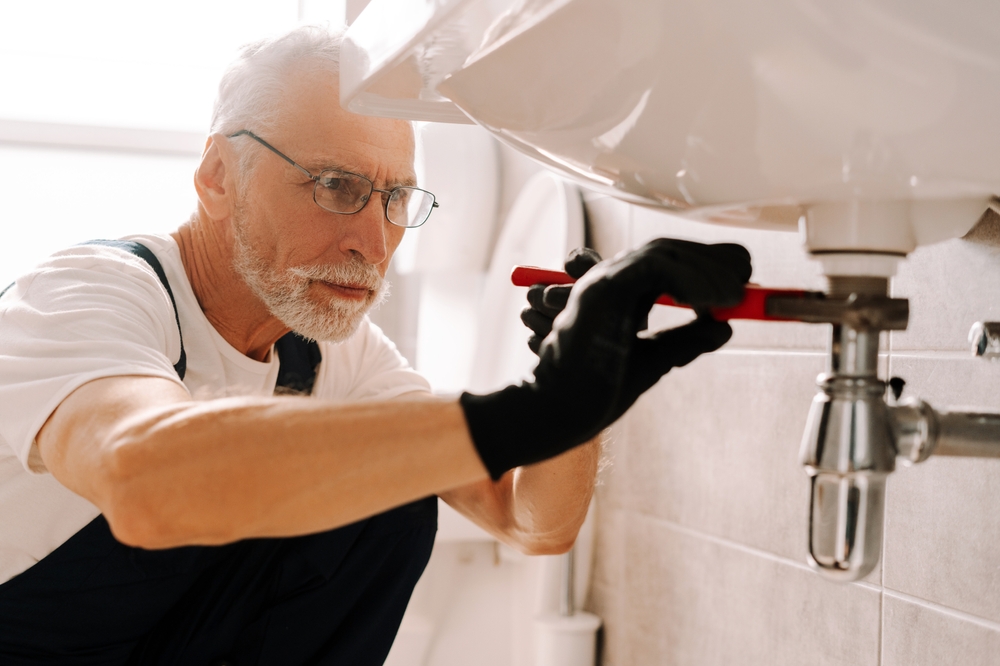
Using drain strainers and avoiding grease disposal through sinks helps maintain a steady flow. Chemical-free cleaning products or enzyme-based treatments reduce buildup safely. Consistent care ensures that drainage systems function properly, even in cold weather conditions.
Professional drain cleaning offers deeper removal of sediment and mineral deposits. Regular maintenance improves flow rates and minimizes unexpected blockages. A clean system supports winter plumbing efficiency and reduces stress on fixtures.
How Water Heater Maintenance Improves Winter Efficiency
Water heaters work harder during winter to maintain consistent temperature levels for household needs. Flushing the tank annually removes sediment and improves heating performance. Consistent maintenance ensures a warm water supply throughout prolonged cold periods.
Setting thermostats to 120 degrees Fahrenheit maintains comfort while preventing energy waste. Lower settings risk lukewarm water, while higher temperatures increase costs and scalding risk. Proper calibration extends equipment lifespan and supports energy efficiency.
Inspecting the anode rod every few years protects the heater from corrosion. Replacing worn components before failure prevents leaks and early system breakdown. Maintenance preserves both safety and function for family households.
Keeping Families Safe Through Reliable Winter Plumbing Maintenance
Families benefit from well-maintained plumbing systems that function efficiently during winter conditions. Preventive steps such as insulation, cleaning, and regular inspections minimize emergencies and improve household safety. Prepared homes experience fewer disruptions when cold weather arrives.
A structured maintenance plan ensures plumbing remains dependable and energy-efficient all season long. Homeowners who address minor issues before winter avoid costly and stressful repairs. Call Good Guys Plumbing today to schedule winter plumbing maintenance and protect your family’s home from cold-weather damage.
