
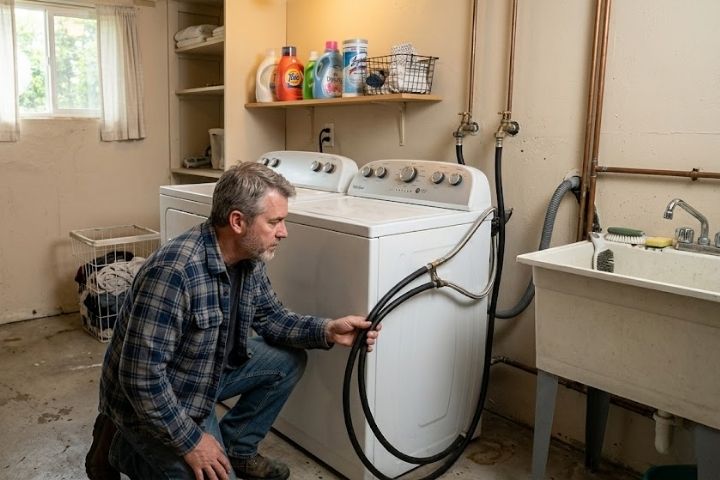
How Laundry and Water Use Impact Your Plumbing
Laundry feels like a simple part of the weekly routine until the plumbing around the washer starts showing signs of strain. Each load sends water through supply hoses, valves, and drain lines in a short period of time. Washing machine plumbing has to handle both the water entering the appliance and the large rush of water leaving it after each cycle.
One normal load of laundry is rarely the problem. Trouble usually builds when repeated cycles, heavy loads, older hoses, slow drains, and high water use keep stressing the same parts of the system. Noticing those patterns early gives homeowners a chance to address worn hoses, slow drains, or valve trouble before one routine chore creates a bigger plumbing problem.
The Laundry Room Puts More Pressure on Plumbing Than People Realize
A washing machine uses water in quick bursts, then drains that water just as quickly. That back-and-forth movement can place stress on hoses, valves, connections, and drain lines. When the laundry area is used often, small weaknesses may start showing up through slow draining, moisture, rattling sounds, or valve trouble.
Why Washing Machine Plumbing Handles More Than One Load
A washer does more than fill with water and spin clothes clean. Each cycle depends on supply hoses, shutoff valves, connections, and a drain line that has to move water away without slowing down or backing up. Washing machine plumbing carries a heavy workload because it handles both incoming water and outgoing discharge in the same laundry routine.
That workload can become harder on the system when several loads are run close together. Heavy use may expose worn hoses, loose connections, weak valves, or drain lines that are already moving slower than they should. What looks like an ordinary laundry day can quietly add stress to the plumbing behind the machine.
Fast Fill Cycles Put Sudden Demand on Pipes and Valves
Modern washers can pull water into the machine quickly, especially during large loads or back-to-back cycles. That sudden demand can make older pipes, valves, and connections work harder for short bursts of time.
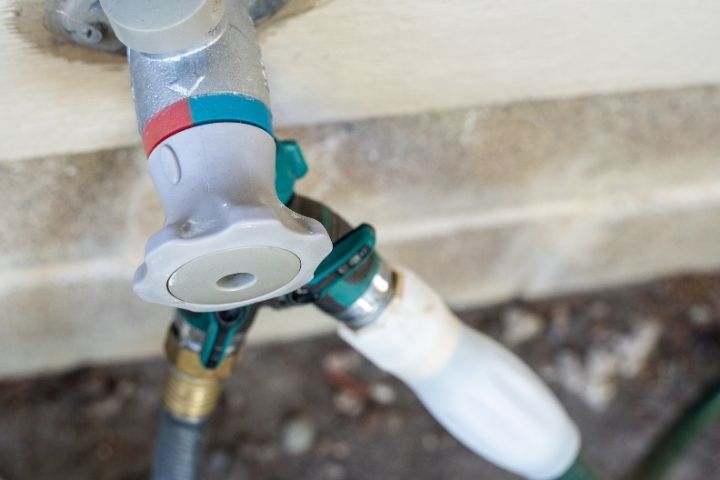
Washing machine plumbing may show signs of strain when those bursts happen often. Rattling pipes, changes in water flow, moisture near the washer, or valves that no longer turn easily can all point to parts that need a closer look.
Drain Lines Take the Impact When Laundry Water Leaves the Washer
The drain side of the laundry setup works just as hard as the supply side. After each wash cycle, the machine sends a large amount of used water into the drain line in a short burst.
If that line is already narrowed by buildup, lint, soap residue, or older pipe conditions, the water may not move away as smoothly. Washing machine plumbing may then show signs through slow draining, gurgling near the laundry area, or water collecting around the washer or floor drain.
A drain problem near the washer may start small, but repeated cycles can make the issue harder to ignore. When laundry water has nowhere to go quickly, the strain may affect nearby drains or create cleanup problems around the machine.
Laundry Habits That May Lead to High Water Use Damage
Everyday laundry habits can add more strain than homeowners realize. High water use damage does not always come from one major mistake, but from repeated patterns that keep pushing hoses, valves, and drains harder than necessary.
Common habits that may add strain include:
Running several large loads back to back
Ignoring slow drainage near the washer
Overloading the machine with heavy items
Using too much detergent
Keeping old hoses in place for too long
Washing machine plumbing lasts longer when the laundry area has time to drain properly and worn parts are not ignored. Small adjustments in how laundry is handled can help reduce pressure on the system before minor strain turns into a larger repair.
When Washing Machine Plumbing Starts Showing Stress
Washing machine plumbing problems may show up before there is a major leak. Moisture behind the washer, slow draining, rattling sounds, or a musty smell near the laundry area can all suggest that the system is under strain.
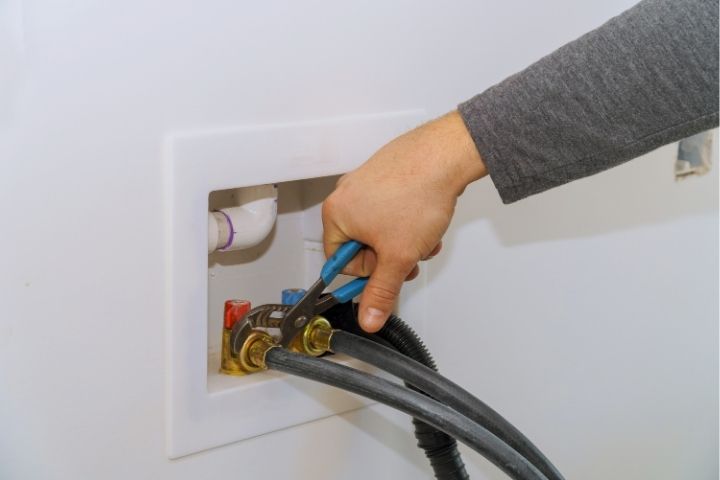
Hoses and valves also deserve attention because they are easy to forget until something goes wrong. If a hose looks swollen, a valve is hard to turn, or water appears around the washer after a cycle, the laundry area may need service before the next problem becomes harder to control.
Reduce Strain Before Laundry Problems Spread
Laundry habits can affect more than the washer itself. Washing machine plumbing connects to supply lines, drain lines, valves, and nearby fixtures, so repeated strain in the laundry area may create problems that reach beyond one appliance.
Laundry-area problems are easier to manage when hoses, shutoff valves, connections, and drain flow are checked before they create damage. When moisture, slow drainage, or valve trouble starts showing up, Good Guys Plumbing can help look at the parts homeowners rarely see. Request laundry-room service to reduce strain on your plumbing system before washer-related problems spread behind the wall, under the machine, or farther down the line.
