Protecting Plumbing in Family Homes During Extreme Weather
Homeowners face increasing risks as extreme weather events become more common throughout Southern Illinois. Heavy rainfall, freezing temperatures, and severe heat can all threaten plumbing systems that were not built to handle sudden environmental changes. Understanding how to protect plumbing in family homes helps prevent costly repairs and water damage before problems begin.
Extreme conditions such as ice storms, floods, or heatwaves can place additional pressure on residential pipes, drains, and fixtures. Proactive maintenance and inspections reduce vulnerability and keep plumbing systems working efficiently year-round. Families who take seasonal precautions preserve both comfort and long-term property value.
How to Protect Plumbing in Family Homes During Extreme Weather
Protecting plumbing in family homes during extreme weather starts with inspection, insulation, and system maintenance. Homeowners should seal exposed pipes, clear drains, and monitor water pressure regularly. Preventive care minimizes the risk of leaks, bursts, and blockages caused by temperature or pressure changes.
How Freezing Temperatures Affect Home Plumbing Systems
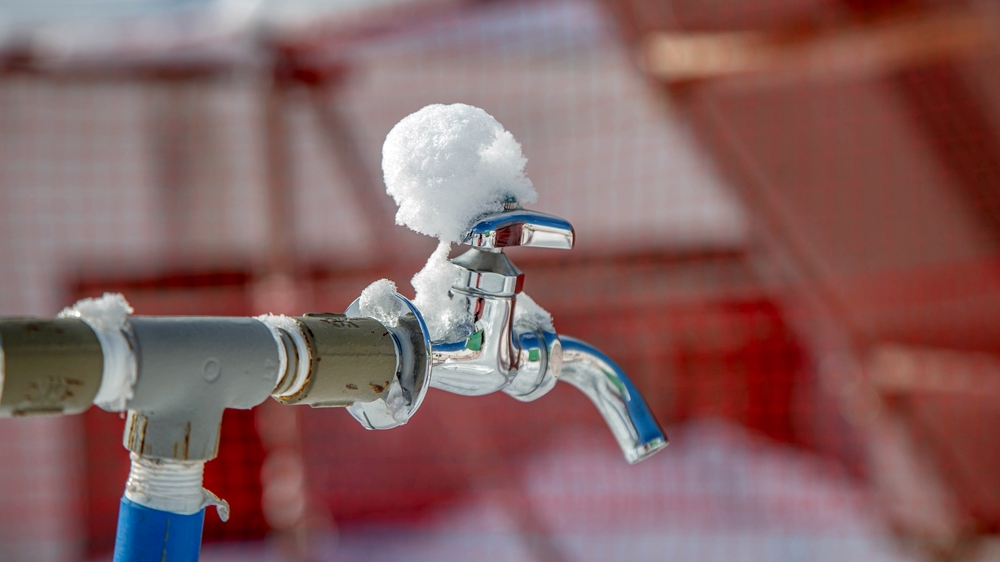
Cold weather causes water in pipes to expand, leading to cracks, bursts, and extensive property damage. Homes with outdoor or poorly insulated piping face the highest risk when temperatures drop below freezing. Insulating vulnerable areas is one of the simplest and most effective ways to prevent winter plumbing issues.

Frozen pipes restrict water flow and can cause pressure buildup throughout the system. Opening cabinet doors and maintaining consistent indoor heating reduce the risk of interior freezing. Regular inspection ensures weak spots are identified before they escalate into emergencies.
Homeowners should schedule professional maintenance ahead of winter to confirm proper insulation and drainage flow. Licensed plumbers can install heat tape or insulation sleeves where needed. Taking preventive steps before temperatures fall helps protect plumbing in family homes from serious damage.
How Heavy Rainfall Impacts Home Plumbing Systems
Excessive rainfall can overwhelm sewer and drainage systems, leading to backups and water intrusion in basements. Saturated ground also places strain on underground pipes and foundations. Regular maintenance ensures systems can handle sudden increases in water volume.
During heavy storms, sump pumps act as the first line of defense against flooding. Ensuring they are in working condition helps prevent costly water damage. Cleaning gutters and downspouts keeps runoff directed safely away from the home.
Flooded sewer lines or clogged drains can cause backflow into bathrooms or kitchens. Installing backwater valves helps stop contaminated water from entering the home. Homeowners should seek professional assistance immediately after any signs of slow drainage or gurgling noises.
Common Plumbing Risks During Storm Season
Storm season increases the likelihood of plumbing failures due to pressure fluctuations and excess debris. Preventive actions reduce the chance of backups, leaks, or system overloads that disrupt daily routines. Homeowners can follow several key maintenance tips to safeguard their plumbing systems.
Check Drainage Systems: Ensure outdoor drains and sump pumps are clear of debris. Regular cleaning allows proper stormwater flow.
Seal Foundation Cracks: Water often seeps into basements through small openings. Sealing reduces moisture intrusion during storms.
Inspect Roof Gutters: Blocked gutters cause overflow that saturates soil near pipes. Keeping them clear prevents structural stress.
Monitor Outdoor Faucets: Exterior spigots can freeze or break during temperature swings. Disconnect hoses and drain lines after use.
Test Backflow Preventers: These devices stop contaminated water from entering clean lines. Regular testing keeps systems sanitary.
How Heat and Drought Affect Plumbing in Family Homes
Extreme heat and drought can dry out soil, causing pipes to shift or crack underground. High water demand during these periods also strains supply systems and increases utility costs. Maintaining proper pressure balance helps prevent stress on household fixtures.
Hot weather often leads to mineral buildup within pipes, reducing flow efficiency. Flushing systems periodically helps maintain steady pressure and water quality. Homeowners should watch for signs of discoloration or decreased flow that suggest scaling issues.
Outdoor plumbing requires special attention during dry conditions. Sprinkler systems, hoses, and outdoor faucets should be checked regularly for leaks. Prompt repair prevents unnecessary water waste and helps conserve resources.
Preventive Maintenance Tips to Protect Plumbing Systems
Routine maintenance is the best protection against weather-related plumbing damage. Homeowners who follow consistent maintenance plans extend the lifespan of pipes, drains, and appliances. Regular care also prevents sudden failures during extreme conditions.
Schedule Annual Inspections: Licensed plumbers identify weak points early. Inspections help reduce emergency repair costs.
Flush Water Heaters: Sediment accumulation affects efficiency and heating performance. Flushing once per year maintains energy balance.
Clean Main Drains: Slow drains can signal deeper blockages. Routine cleaning ensures smooth flow and prevents backups.
Inspect Seals and Valves: Aging components may leak under pressure changes. Replacements prevent gradual water loss.
Check Water Pressure: High pressure accelerates wear on joints and fixtures. Adjustments preserve long-term system stability.
How to Handle Plumbing Emergencies During Severe Weather
Even with preventive care, emergencies may still occur when weather becomes extreme. Rapid response limits damage and prevents water from spreading through walls or floors. Knowing how to act quickly makes a major difference in reducing repair costs.

Homeowners should first shut off the main water supply to prevent further flooding. Once water flow stops, calling a licensed plumber ensures safe inspection and repair. Professional assistance is essential for complex situations such as burst pipes or sewer backups.
Emergency preparation helps protect plumbing in family homes from significant weather-related damage. Having key contacts ready and knowing where shutoff valves are located reduces stress during crises. Quick action and expert repair restore safety and functionality after storms.
Keeping Plumbing in Family Homes Safe Year-Round
Home plumbing systems face constant challenges from shifting weather patterns across the region. Preventive maintenance, regular inspections, and seasonal preparation minimize costly breakdowns and disruptions. Families who invest in long-term care maintain safe, efficient, and dependable water systems.
Extreme weather events will continue to affect plumbing infrastructure across Illinois. Partnering with local professionals ensures systems remain ready for every condition. Call Good Guys Plumbing today to schedule seasonal maintenance or emergency repair and keep plumbing in family homes protected all year.
