Preventing Drain Backups During Peak Usage
Drain backups often happen at the worst time because that is when the plumbing is already working harder than usual. Busy mornings, weekend cleaning, guests, extra showers, laundry, and kitchen cleanup can send more water and debris through the home in a short window. When a drain is already partly restricted, peak usage can make the problem show up faster.
Preventing a drain backup starts with noticing how much the system handles during high-use parts of the day. A sink, tub, shower, or floor drain may seem fine during light use, then struggle when several fixtures are used close together. A few changes in timing, disposal, and maintenance can reduce the chance that a busy day ends with standing water or an overflowing drain.
Busy Plumbing Days Need a Little More Drain Awareness
Most peak-use periods are made up of ordinary tasks happening back to back. The important clue is whether water begins lingering, gurgling, or clearing more slowly as the day gets busier. Those changes may reveal a developing restriction before a drain backup interrupts the household.
Peak-Use Hours Can Turn Slow Flow Into a Drain Backup
Drains need enough open space to carry water away as each fixture is used. When several high-use routines overlap, a partly narrowed line has less time to clear between one flow of water and the next. Under those conditions, slow drainage can turn into a drain backup.
Grease, hair, soap residue, and food particles do not have to block the pipe completely to cause trouble. A minor restriction may stay hidden during light use, then show itself through standing water or slower clearing once the household gets busy.
Protect Kitchen Drains Before Cleanup Gets Heavy
Kitchen drains often take the biggest hit after meals, gatherings, or a full day of cooking. Grease, cooking oil, sauces, rice, coffee grounds, and food scraps can all create problems when they are rinsed down the sink instead of thrown away.
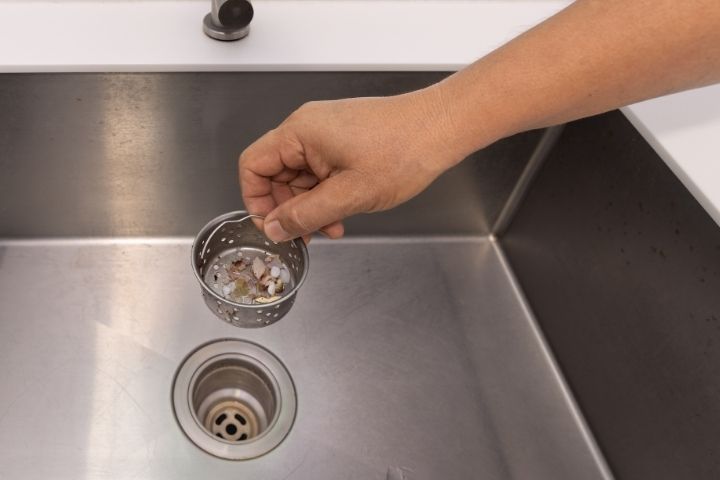
A drain backup in the kitchen can start long before water rises into the sink. Keeping grease and food waste out of the drain during heavy cleanup helps reduce buildup and gives the line a better chance to keep water moving.
Bathroom Habits That Lower Drain Backup Risk
Bathroom drains can get overwhelmed when showers, sinks, and tubs are used one after another. Hair, soap film, shaving residue, toothpaste, and personal-care products can collect inside the drain path and make water move more slowly during busy routines.
A drain backup in the bathroom may begin with water lingering after back-to-back showers or a sink clearing more slowly once several people have used it. Removing visible hair, rinsing strainers, and addressing slow flow before the next busy period can keep the drain from falling farther behind.
Clogged Drain Prevention Starts With What Stays Out
Clogged drain prevention is easier when homeowners focus on what should never enter the drain in the first place. Small habits during cooking, cleaning, bathing, and daily routines can reduce buildup before it has a chance to narrow the line.
Helpful habits include:
Scraping plates before rinsing dishes
Keeping grease, oil, and sauces out of the sink
Using drain strainers in kitchens, showers, and tubs
Removing hair before it washes deeper into the drain
Avoiding wipes, paper towels, and hygiene products in toilets
These habits reduce how much debris reaches the line during the busiest parts of the day. They also lower drain backup risk and make it easier to tell whether slow drainage is coming from an existing restriction rather than something that was recently rinsed or flushed.
Give Busy Drains Time Between Heavy Tasks
Running the dishwasher, starting laundry, taking multiple showers, and cleaning several sinks within the same short window can send water into the drainage system faster than a partly restricted line can carry it away. The issue is not the amount of water alone, but the reduced space available inside the pipe.

Spacing out the heaviest routines can lower the chance of a drain backup during peak use, but it will not remove an existing clog. If slow flow returns whenever the home gets busy, the restriction still needs attention.
Stop a Drain Backup Before Peak Usage Finds the Weak Spot
A drain backup is easier to prevent when recurring slow flow, standing water, or frequent clogs are addressed before the home enters another busy stretch. Preventative drain maintenance can remove developing buildup and help determine whether a heavily used line is ready to handle added demand.
High-use drains are easier to protect when restrictions are addressed before normal flow is blocked. Schedule preventative drain maintenance with Good Guys Plumbing to catch sewer issues early and avoid costly backups this season.
