How Irrigation Systems Affect Your Plumbing
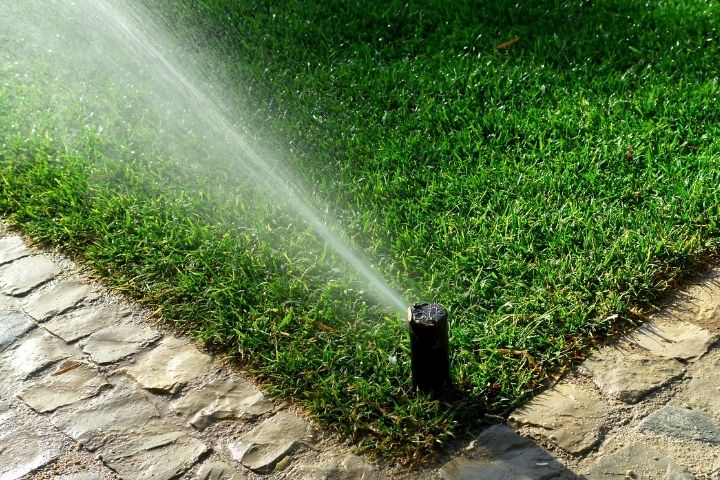
An irrigation system can make lawn care easier, but it also adds another layer of demand to your home’s plumbing. Sprinkler zones, valves, timers, and outdoor supply lines all depend on the right water pressure and a clean connection to the system. When one part is installed poorly, worn down, or pulling too much water at once, plumbing issues can show up beyond the sprinkler heads.
Some problems may look like uneven watering at first, but the cause may be pressure, flow, leaks, or strained outdoor connections. Sprinkler system plumbing problems can also waste water or affect nearby fixtures if the system is not properly set up. Understanding how irrigation connects to the rest of the plumbing system can help homeowners catch small concerns before regular watering puts more stress on the line.
Irrigation Adds Demand to the Same Water Supply
A sprinkler system does not operate independently of the rest of the home’s plumbing. It relies on the same basic flow, pressure, valves, and connections that help move water where it needs to go. When irrigation runs often or pulls more water than the system can comfortably handle, small plumbing issues can become more noticeable.
Why Irrigation Connections Can Create Plumbing Issues
Irrigation connections matter because they control how water moves from the home’s supply into the sprinkler system. If a valve, fitting, or outdoor connection is loose, aging, or installed poorly, plumbing issues can show up as pressure changes, leaks, or water moving where it should not.
The connection point is often where small problems begin. A weak fitting may not fail all at once, but it can slowly waste water, stress nearby lines, or make the system work harder than it should during each watering cycle.
How Water Pressure Changes When Sprinklers Run
Sprinkler systems can draw a lot of water at once, especially when multiple zones run frequently during warmer months. If the irrigation setup is not well balanced, plumbing issues may appear as reduced flow at outdoor faucets, uneven sprinkler coverage, or pressure changes inside the home. Pressure changes do not always mean something major is broken, but they can show that the system is demanding more water than the plumbing can comfortably support during a cycle.
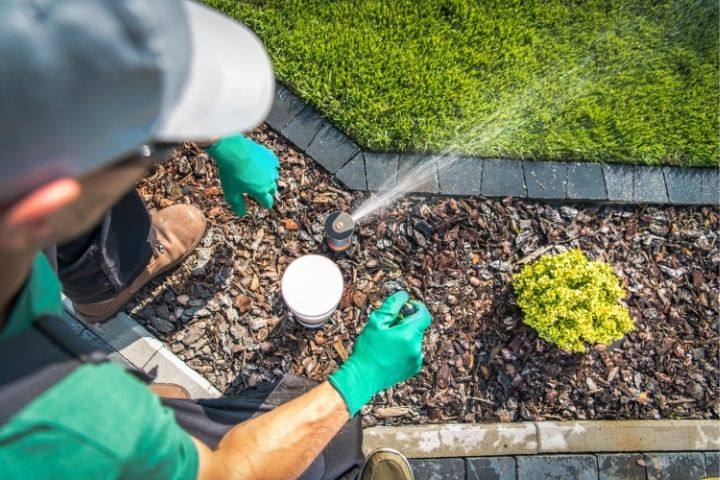
The concern grows when pressure drops are new, sudden, or tied to one zone. That can point to a leak, a partially blocked line, a valve issue, or a connection that needs a closer look before the system keeps running on the same problem. Catching the pressure change early can help prevent a sprinkler issue from further straining the plumbing system.
Sprinkler System Plumbing Problems Often Start at Valves and Connections
Sprinkler system plumbing problems often begin in places homeowners do not look every day. Valve boxes, supply connections, backflow-related fittings, and underground irrigation lines can all develop wear before the lawn shows obvious signs.
A small leak near a valve may only look like damp soil at first. A worn connection may only show up when a specific zone runs, which can make it harder to connect the plumbing issues to the irrigation system.
Over time, those small weak points can waste water and strain the system. A closer look at valves and connections can help prevent a sprinkler issue from turning into a larger plumbing concern.
Plumbing Issues That Show Up During Irrigation Cycles
Some irrigation-related problems only appear while the system is actively running. Plumbing issues may show up as sudden pressure drops, uneven sprinkler zones, sputtering heads, damp valve boxes, or nearby fixtures acting differently during a watering cycle. Those timing patterns can help link the issue to the sprinkler system rather than treating it as a separate plumbing concern.
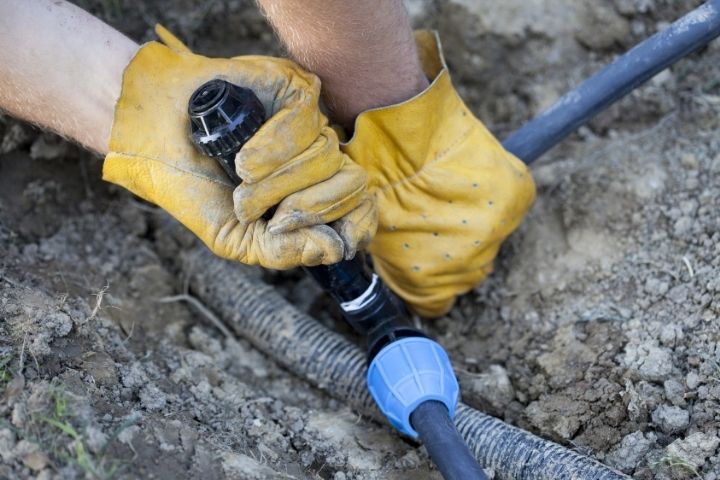
When the same problem recurs in every cycle, the system may be stressing a connection, valve, or supply line. Noting that pattern early can help prevent water waste and reduce strain on the plumbing that supports the irrigation setup. It can also help homeowners explain the issue more clearly when asking for service.
Why Proper Setup Helps Prevent Plumbing Issues
A properly connected irrigation system helps water flow where it should without drawing excessive pressure from the rest of the home. When valves, fittings, supply lines, and controls are set up correctly, plumbing issues are less likely to appear during regular watering.
A good setup also makes problems easier to spot when something changes. If pressure drops, uneven watering, or sprinkler system plumbing problems begin after the system has been working normally, it becomes easier to tell when a connection, valve, or line needs attention.
Ensure Your System Is Properly Connected
An irrigation system should support your yard without creating extra strain on the plumbing behind it. Good Guys Plumbing can review the connection points, pressure concerns, and possible sprinkler system plumbing problems that may affect how water moves through the system.
If sprinkler cycles are causing weak flow, leaks, or uneven watering, ask our team to review the setup. Protect your plumbing from small issues, water waste, pressure problems, and avoidable repairs.
