Plumbing Issues That Start With Landscaping Projects
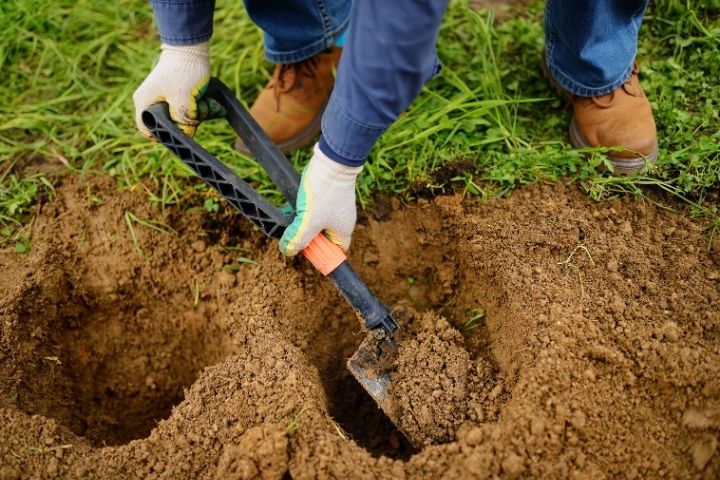
Landscaping projects usually start with a design goal, not a plumbing concern. Homeowners may be thinking about new plants, cleaner edging, better drainage, fence posts, or a refreshed outdoor space. But once digging, grading, cutting, or root removal begins, the risk of plumbing damage becomes much more real.
Buried water lines, drain lines, sewer laterals, hose bib connections, and outdoor plumbing paths are not always obvious from the surface. A shovel, post-hole digger, compacted soil, or heavy equipment can disturb a line before anyone realizes it is there. Avoiding landscaping pipe damage starts with knowing what might be underground before the yard work begins.
Yard Work Can Reach More Than Soil
Landscaping work can affect more than grass, roots, and surface dirt. Digging for shrubs, installing posts, reshaping soil, or removing old roots can bring tools close to hidden plumbing lines around the home. A quick plumbing review before the project starts can help prevent damage that would otherwise interrupt the work later.
Landscaping Projects That Can Cause Plumbing Damage
Plumbing damage can happen during landscaping work that seems routine at first. Planting trees, digging garden beds, installing fence posts, removing roots, grading soil, or adding hardscape features can all bring tools or equipment close to buried plumbing lines.
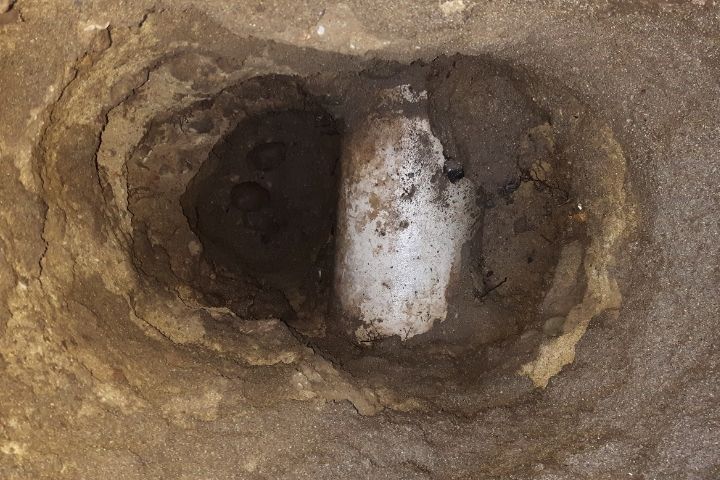
The risk is higher when the project changes the ground near outdoor fixtures, cleanouts, drains, or areas where lines may run toward the home. Even if the pipe is not fully broken, a small nick, shift, or pressure point can create a problem that shows up after the landscaping work is already done.
Why Buried Lines Are Easy to Overlook
Buried lines are easy to miss because they are not always placed where homeowners expect them to be, which is one reason plumbing damage can happen during outdoor projects. Older properties may have plumbing paths that changed over time, while additions, repairs, or past yard work may leave lines in areas that are not obvious from the surface.
Landscaping pipe damage often occurs because the project starts before anyone checks what might be buried beneath the soil. A homeowner may see an open yard or garden area, but water lines, sewer laterals, drain paths, or hose bib connections may still be close enough to be disturbed by digging, cutting, or grading.
How Plumbing Damage Can Start Small During Yard Work
Landscaping pipe damage does not always begin with a dramatic break. A shovel may scrape a line, a post-hole digger may press against a buried pipe, or soil movement may shift a connection just enough to weaken it.
At first, the issue may not look like damage at all. The line may still work, the yard may look normal, and the project may continue without anyone realizing the pipe has been stressed.
Small damage can show up later once water starts moving through the line again. A tiny crack, loosened joint, or crushed section may lead to moisture in the yard, lower water pressure, drainage trouble, or a repair that delays the rest of the project.
A Damaged Line Can Delay the Whole Yard Project
Plumbing damage during landscaping can interrupt more than the plumbing system. If a buried line is hit or compromised, the project may have to pause while the area is checked, reopened, and repaired before work can continue.
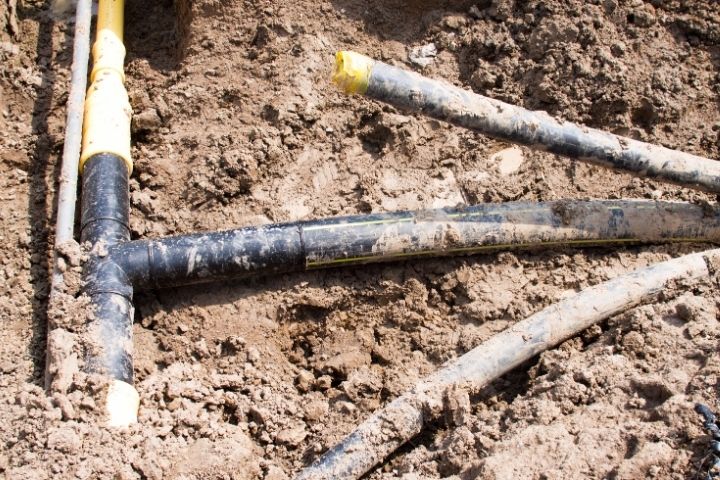
That delay can affect planting, grading, hardscaping, fencing, or cleanup already planned for the yard. Checking for possible plumbing risks before the work begins can help homeowners avoid redoing finished areas or paying for repairs that could have been prevented.
What to Check Before You Dig
Before starting a landscaping project, take a few minutes to think about where plumbing may run around the home. Cleanouts, outdoor faucets, drains, irrigation areas, and paths between the house and the street can all give clues about where buried lines may be located.
Mark outdoor fixtures, drains, cleanouts, and hose bib areas.
Avoid digging near likely buried line paths.
Ask for plumbing guidance before cutting, grading, or digging near outdoor utility areas.
These quick steps can help reduce the chance of plumbing damage and landscaping pipe damage before the project begins. If the work involves deeper digging, heavy equipment, or changes near known plumbing areas, it is better to check first than deal with an avoidable repair later.
Prevent Plumbing Damage Before Yard Work Starts
Landscaping projects are easier to manage when you check plumbing risks before the yard is opened up. Good Guys Plumbing can review areas near outdoor fixtures, cleanouts, drains, hose bibs, and likely buried line paths to help reduce the risk of plumbing damage during the project.
Before you dig, cut, grade, or install anything near outdoor plumbing areas, have our team review the project area first. Check before you dig so the work starts with a clearer view of what may be underground and a lower risk of preventable pipe damage.
