
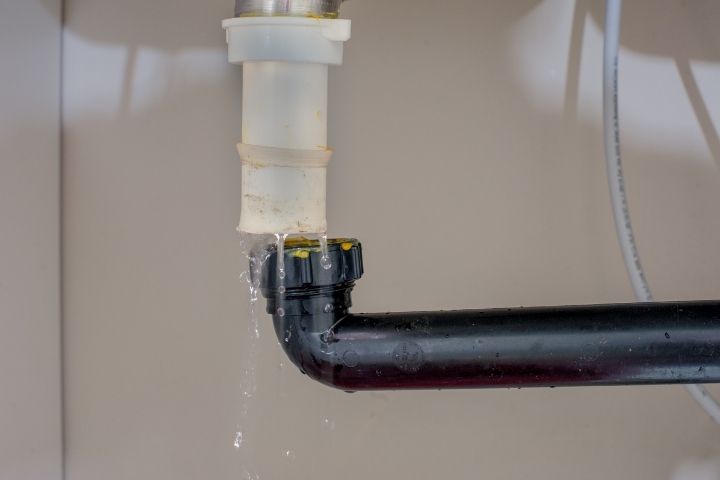
What to Do If a Pipe Bursts: A Step-by-Step Emergency Guide
A burst pipe can turn into a major mess in minutes. Water can spread fast, damage floors and walls, soak belongings, and leave homeowners scrambling to figure out what to do first.
When this happens, clear steps matter more than anything else. People searching for burst pipe repair near me usually need help fast, but the first few steps before the plumber arrives can also make a big difference in how much damage the home sustains.
A Quick Response Can Keep a Plumbing Emergency From Getting Worse
The first few minutes after a pipe bursts can shape how serious the damage becomes. Water can quickly seep into walls, flooring, cabinets, and anything stored nearby, so waiting too long usually makes cleanup harder. In that moment, it helps to focus on the next right step instead of trying to do everything at once. The guide below walks through what to do first, what to do next, and when to call for burst pipe repair near me before the situation gets worse.
Step 1: Shut Off the Water Immediately
The first thing to do is to stop more water from entering the line. If you know where the main shut-off valve is, turn it off right away to stop the burst pipe from feeding water into the affected area.
If the burst is tied to a specific fixture or appliance and you can safely isolate that line, shutting off that local valve may help. In most emergencies, though, the main water shut-off is the fastest and safest move because it stops the flow at the source.
Step 2: Cut Power if Water Is Near an Electrical Risk
If water is spreading near outlets, appliances, extension cords, or your breaker panel, treat that as an electrical hazard. Do not step into standing water to reach a switch or unplug anything if the area does not feel safe.
If you can safely access the breaker panel from a dry area, shut off power to the affected section of the home. If you cannot do that safely, stay out of the area and wait for emergency help or a qualified professional before going closer.
Step 3: Open Faucets and Drain What You Can
Once the water is shut off, open nearby faucets to help drain the remaining water from the system. This can reduce pressure in the pipes and slow down additional dripping from the burst area.
If the burst happened during colder weather, and freezing may have played a role, draining the line also helps reduce the risk of more trapped water causing trouble nearby. Focus first on the faucets closest to the damaged section, then open others if needed.
Do not worry about getting every drop out. The goal is to relieve pressure, reduce active leaking, and make the system a little safer while you wait for a local plumber to arrive.
Step 4: Move Belongings and Start Limiting Water Damage
Once the flow is under control, shift your attention to what the water touches. Move rugs, boxes, small furniture, electronics, and anything else you can safely remove from the wet area before the damage spreads farther.
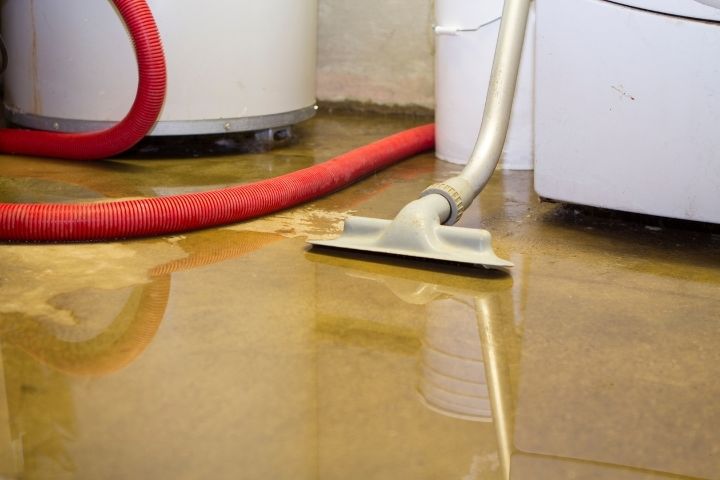
If you have towels, mops, or a wet/dry vacuum, start soaking up as much water as possible. Even a quick cleanup can help reduce moisture that gets into flooring, baseboards, cabinets, or drywall.
Try to keep the area ventilated if it is safe to do so. Air movement will not solve the plumbing problem, but it can help slow down lingering moisture while you wait for the repair.
Step 5: Document the Damage and Check Where the Pipe Failed
Once the area is safe, take clear photos and short videos of the damage before the cleanup goes too far. Capture wet flooring, damaged walls, soaked belongings, and the area around the burst pipe in case you need the record for insurance or repair notes.
You do not need to tear into walls or force anything open to investigate. Just look for obvious signs like splitting, dripping, bulging materials, or water stains that help show where the pipe failed and how far the water may have spread.
Step 6: Call a Local Plumber for Burst Pipe Repair
Once the water is under control, it is time to call a professional plumber. Searching for "burst pipe repair near me" can help you find a local plumber who can assess the damage, make the repair, and check whether the burst affected nearby sections of the system.
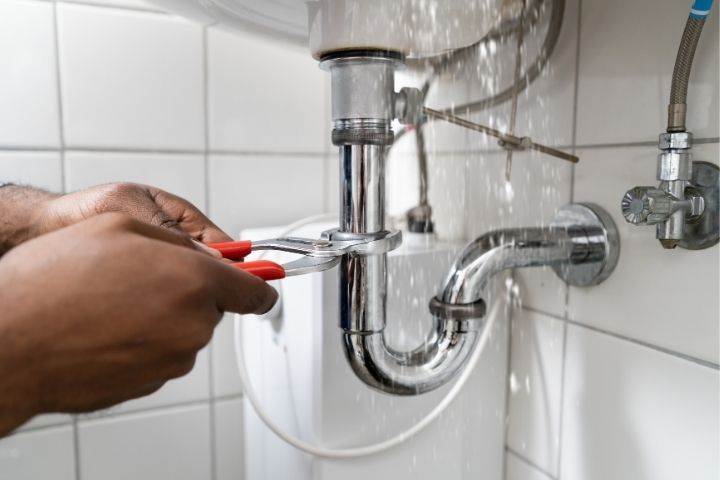
If you speak with the plumber right away, be ready to explain where the pipe burst is, how long the water has been running, and whether power or water has already been shut off.
Step 7: Do Not Try a Quick Fix That Puts the Home at Risk
Once the water is off, it can be tempting to patch the pipe and move on. In a real burst-pipe situation, though, a rushed fix can fail quickly and send water right back into the home.
Tape, sealants, and makeshift wraps may slow a drip for a short time, but they do not solve the cause of the break. If the pipe splits due to pressure, corrosion, freezing, or a weak joint, the damaged section still needs a proper repair.
It is also important not to turn the water back on just to “check if it stopped.” Wait until a plumber has confirmed the pipe's condition and completed the repair before putting the line under pressure again.
Fast Action Helps Limit the Damage From a Burst Pipe
A burst pipe can feel overwhelming in the moment, but the right response can keep the situation from getting much worse. Shutting off the water, staying alert to electrical hazards, draining the line, protecting nearby belongings, and documenting the damage all help you stay in control as the emergency unfolds.
Good Guys Plumbing helps homeowners respond quickly when a burst pipe puts the home and property at risk. Get in touch with Good Guys Plumbing now so a burst pipe does not keep damaging your home.
