
How to Reduce Water Usage at Home
Most households waste water without ever noticing it. A slightly longer shower, a faucet left on while dishes wait, a toilet that runs a few extra seconds after each flush. None of these feel significant on their own, but together they add up to real gallons and real dollars over a year.
The good news is that most fixes cost little and take almost no effort once in place. A homeowner who learns how to reduce water usage at home usually sees the change on the very next bill, since water waste tends to show up fast once it starts to shrink.
Where Water Waste Hides in Daily Life
Water waste rarely shows up as one obvious problem. It hides in small habits and small inefficiencies that compound over weeks and months. A five-minute shower instead of a ten minute one saves several gallons each time, and that difference repeats every single day of the year.
Leaks are the other major source, and they often go unnoticed for long stretches. A toilet that runs quietly, a faucet that drips overnight, or a hose bib that seeps slowly outdoors can waste far more water than any single habit change could offset. How families improve water efficiency in older homes often starts with this kind of leak check before any fixture upgrades enter the picture.
Fixture Upgrades That Make an Immediate Difference
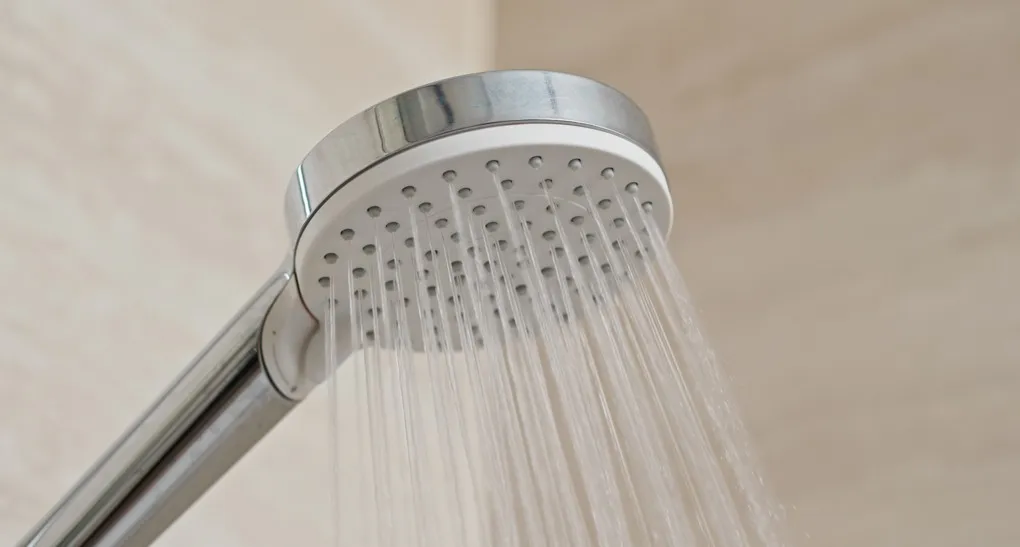
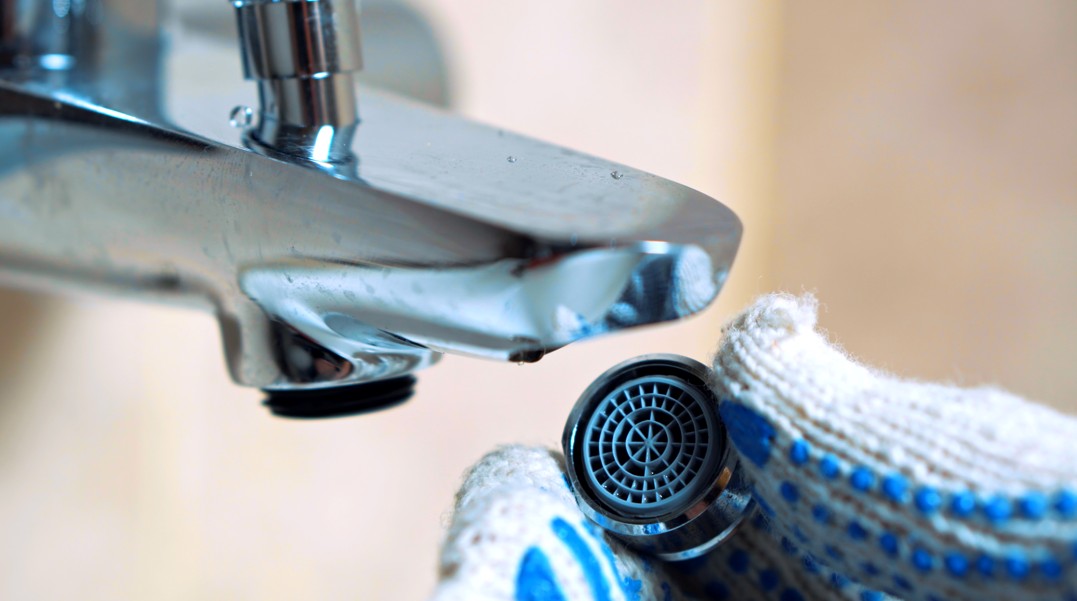
Some upgrades pay for themselves quickly through direct savings on the water bill. Low-flow showerheads and faucet aerators reduce flow without a noticeable drop in pressure, since modern designs use air infusion to maintain a strong feel with less actual water.
Toilets built before the mid-1990s often use three to five gallons per flush, compared to about one and a half gallons in current low-flow models. A single toilet swap in an older home can cut water use dramatically on its own, and multiple older toilets in one house compound that savings even further.
Simple Habits That Cost Nothing to Start
Not every solution requires a purchase. A few habit changes reduce water use immediately and cost nothing to implement.
Turn off the faucet while you brush your teeth or scrub dishes
Run the dishwasher and washing machine only with full loads
Fix a running toilet the same week you notice it
Take shorter showers, even by just a couple minutes
Sweep driveways and sidewalks instead of hosing them down
None of these require special tools or a plumber, just a small shift in how a household already goes about its day.
Why Water Quality Affects How Much You Use
Hard water plays a bigger role in water usage than most homeowners realize. Mineral buildup inside pipes and fixtures restricts flow over time, which often leads households to run water longer to compensate for reduced pressure. Breaking that cycle usually starts with treating the hard water itself, since a system that flows properly needs less water to accomplish the same task.
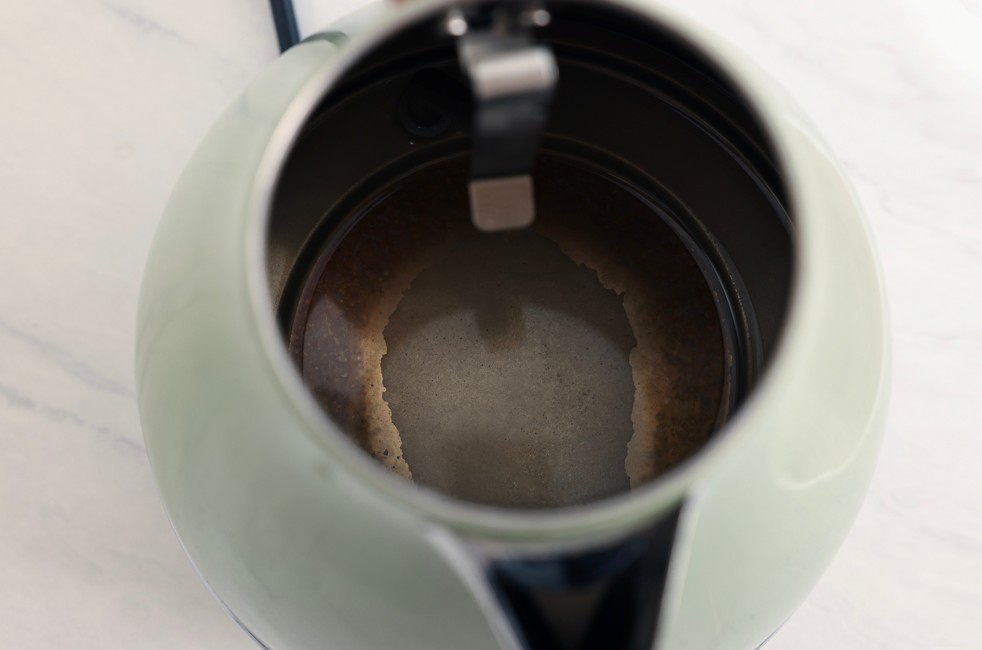
Appliances also lose efficiency as scale builds up inside them. A dishwasher or washing machine coated in mineral deposits works harder and uses more water per cycle than a clean one. Addressing hard water at the source, rather than compensating for its effects, keeps water use closer to what a fixture was actually designed to need.
How Water Pressure Ties into Overall Usage
Excess water pressure feels satisfying in the shower, but it also means every fixture in the house uses more water per minute than necessary. A pressure-reducing valve brings pressure down to a stable, efficient range without a noticeable loss in comfort, since most households run well above the pressure they actually need.
Lower pressure also reduces strain on pipes, fittings, and appliances, which means fewer leaks develop over the system's lifetime. That combination of lower usage and fewer failures makes a pressure-reducing valve one of the more overlooked tools for households serious about cutting water waste long term.
Making Efficiency a Long-Term Habit
Reducing water usage works best as an ongoing practice rather than a one-time project. Fixtures wear down, leaks develop again, and habits slip without regular attention. Scheduled maintenance catches small issues, like a slowly failing toilet flapper or a fixture that has started to drip, before they undo months of otherwise good progress.
A household that checks its plumbing system periodically, rather than only when something breaks, tends to keep its water usage low year after year instead of watching it creep back up. That consistency is what turns a short-term bill reduction into a lasting change in how much water a home actually needs.
Every gallon saved adds up faster than most homeowners expect once the right habits and fixtures are in place. Good Guys Plumbing has helped Southern Illinois families lower their water bills through practical, lasting changes for decades. Start saving water, and money, today.
