How to Prevent Sewer Line Damage in Family Homes
Maintaining a healthy plumbing system is essential for any family home, especially when it comes to avoiding sewer line damage. Old pipes, heavy usage, and seasonal changes can all contribute to cracks, clogs, or leaks that disrupt daily life. Understanding the factors that affect your sewer system helps prevent costly repairs and ensures the long-term reliability of your system.
Preventative measures are often more effective than emergency fixes, particularly in older homes in Southern Illinois. Simple routines, such as clearing debris, managing water flow, and scheduling regular inspections, can dramatically reduce the risk of sewer line damage. Taking action early provides peace of mind and ensures your plumbing runs smoothly throughout the year.
How Can Homeowners Prevent Sewer Line Damage Before It Starts?
Homeowners can take proactive steps to prevent sewer line damage by monitoring their water usage and regularly maintaining their plumbing system. Routine inspections, careful disposal practices, and early detection of leaks or blockages greatly reduce potential risks. Addressing small issues promptly helps ensure your sewer lines remain functional and your home avoids costly repairs.
What Are the Main Causes of Sewer Line Damage?
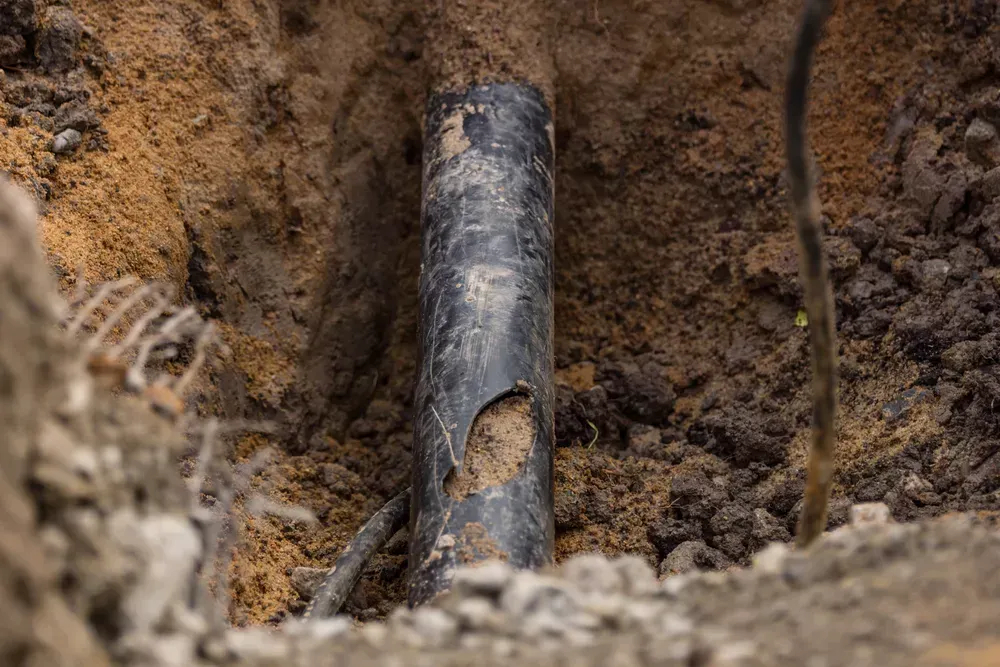
Understanding the main causes of sewer line damage helps homeowners take preventative steps and protect their plumbing systems. Multiple factors, including aging infrastructure, environmental pressures, and daily use, can compromise pipe integrity. Identifying these risks early allows for timely interventions and reduces costly repairs.
Aging Pipes – Older homes often have cast iron, clay, or other deteriorating materials that develop cracks, leaks, or corrosion over time.
Heavy Water Usage – Excessive water flow, frequent flushing, or overloading fixtures can accelerate wear and stress sewer lines.
Chemical Disposal – Harsh detergents, bleach, or other chemicals can corrode pipes, leading to weakened sections and potential blockages.
Tree Root Intrusion – Roots grow aggressively toward moisture, infiltrating joints or cracks and causing significant clogs.
Soil Shifting and Weather – Freezing winters, heavy rainfall, or unstable soil can misalign underground pipes, creating fractures and leaks.
External Pressure – Heavy equipment, vehicles, or construction activity above buried lines increases the risk of pipe collapse or breaks.
Monitoring these factors and performing regular maintenance helps mitigate risks and keep sewer lines functioning efficiently. Proactive care enables homeowners to address potential issues before they escalate into severe sewer line damage.
How Can Homeowners Prevent Tree Roots from Intruding into Pipes?
Tree roots often infiltrate sewer lines through small cracks or poorly sealed joints, causing blockages that can escalate quickly. Homeowners can prevent this by trimming roots, adjusting landscaping, using chemical treatments, and installing physical barriers or root-resistant piping near mature trees. Maintaining a buffer zone between large trees and underground pipes further reduces the risk of intrusion, while scheduled inspections help identify vulnerable areas before problems develop.

Regularly flushing lines with safe cleaning agents keeps pipes clear and discourages root growth, minimizing potential clogs. Early intervention ensures that sewer line damage from roots remains manageable and prevents costly, invasive repairs. Consistent preventative measures protect both the plumbing system and the home’s landscape, maintaining reliable service over time.
Which Maintenance Routines Minimize the Risk of Blockages and Backups?
Routine maintenance is key to preventing unexpected backups and reducing sewer line damage. Taking proactive steps ensures pipes remain clear, water flows efficiently, and household disruptions are minimized. Simple habits and regular checkups can save homeowners time, money, and stress over the long term.
Regular Drain Cleaning and Water Usage Monitoring
Periodic drain cleaning removes sediment buildup that can lead to clogs and potential sewer line damage. Monitoring water usage prevents overloading pipes, while avoiding the disposal of grease, coffee grounds, or fibrous materials significantly reduces blockage risk. These simple routines maintain consistent flow and minimize strain on older pipelines.
Seasonal Sump Pump and Drainage Checkups
Inspecting sump pumps, valves, and drainage systems during seasonal changes helps prevent water accumulation that could stress sewer lines. Following the guidance in Sump Pump Maintenance: Protect Your Basement ensures pumps operate properly and reduces potential flooding. Seasonal checks complement routine maintenance by protecting pipes from pressure-related damage.
Water Softeners, Filters, and Subtle Warning Signs
Installing water softeners or filtration systems can reduce mineral buildup, extending the life of older plumbing. Homeowners should monitor their drains for slow drainage, gurgling sounds, or unusual odors, which can indicate early blockages or hidden pipe deterioration. Addressing these warning signs promptly prevents small problems from becoming major repairs.
Maintaining a consistent plumbing routine with these practices keeps sewer systems healthy and prevents costly interruptions. Combining cleaning, seasonal inspections, and monitoring provides a comprehensive approach to safeguarding your home. These proactive habits ensure long-term reliability while minimizing the risk of sewer line damage.
How Do Regular Inspections Extend Sewer System Life?
Professional inspections catch minor issues before they become major problems, which is essential for preventing costly sewer line damage. Video camera assessments allow plumbers to examine pipes internally, detecting cracks, root intrusion, or hidden corrosion without invasive work. Early identification of weaknesses enables precise repairs, reducing disruption and excavation needs.
Scheduled inspections are especially valuable for homes over 30 years old, where aging infrastructure is more prone to leaks and shifts. Identifying early signs of deterioration prevents sudden backups, preserves water flow, and reduces overall repair costs. Regular assessments act as a safeguard, keeping sewer systems functional and protecting daily household routines.
When combined with routine maintenance programs, inspections create a comprehensive approach to plumbing care. Plumbers can recommend preventative upgrades, material replacements, or protective measures tailored to each home. This strategy ensures long-term reliability and minimizes the likelihood of unexpected sewer line issues.

When Should Professional Intervention Be Sought for Sewer Protection?
Recognizing when to call a licensed plumber is crucial for preventing costly and extensive repairs. Early intervention protects homes from worsening conditions and reduces the risk of major sewer line damage. Homeowners benefit from knowing the clear signs that professional support is necessary.
Persistent Clogs – Frequent blockages that affect multiple drains may indicate deeper issues within your sewer system.
Unusual Odors – Foul or sewage-like smells in bathrooms, kitchens, or yards often signal hidden pipe problems.
Visible Leaks or Wet Spots – Water pooling near the foundation, under sinks, or behind walls requires immediate evaluation.
Tree Root Intrusion – Roots breaking into pipes can cause significant blockages and structural damage.
Pipe Collapse or Severe Damage – Cracks, bursts, or sagging lines demand professional repairs to restore safe operation.
Emergency Backups – Sewage backups or overflowing drains pose immediate health hazards and should be addressed promptly.
Signs of Aging Infrastructure – Homes with older plumbing, a history of frequent repairs, or recurring issues may require a comprehensive system assessment.
Scheduling professional inspections and maintenance ensures that small issues are resolved before they escalate. Consulting licensed plumbers provides peace of mind, safeguards your home, and helps prevent severe sewer line damage from disrupting daily life. For more detailed information on recognizing plumbing issues, visit 7 Signs You Need a Professional Plumber.
Keep Your Sewer System Safe and Prevent Sewer Line Damage
Protecting your family home from sewer line damage requires routine maintenance, careful landscaping, and timely inspections. Observing subtle warning signs, managing tree root threats, and practicing mindful water usage prolongs the life of underground plumbing. Consistency in these habits prevents costly repairs while ensuring your system operates efficiently.
Keep your sewer system functioning properly by scheduling professional support when needed. Contact Good Guys Plumbing for inspections, maintenance, and preventive solutions tailored to Southern Illinois homes. Their experienced team offers dependable guidance to protect your home, maintain reliable service, and prevent sewer line damage before it becomes a serious problem.
