How to Prevent Rust in Family Home Pipes
Pipes are the hidden lifelines of every home, carrying water safely and cleanly to kitchens, bathrooms, and laundry areas. Home pipes can develop rust over time, which impacts both the quality of water and the longevity of plumbing systems. Understanding how rust forms and learning simple prevention techniques helps homeowners protect their investment while keeping water safe for their families.
Maintaining pipes involves more than occasional inspections; it requires attention to water quality, material choices, and seasonal care. Homeowners in older Southern Illinois homes often face unique challenges with aging plumbing, including corrosion and buildup. With practical strategies, rust formation can be minimized, ensuring consistent performance and clean water throughout the house.
How Can Homeowners Keep Their Pipes from Rusting?
Homeowners can prevent rust in home pipes by monitoring water quality, checking exposed plumbing regularly, and addressing leaks promptly. Simple maintenance, like flushing water heaters and inspecting joints, reduces corrosion risks before they escalate. Taking proactive steps ensures clean water and longer-lasting pipes without costly repairs.
What Causes Rust in Home Pipes, and Why Does It Matter?
Rust occurs when iron or steel in pipes reacts with oxygen and moisture, gradually corroding the material. This corrosion not only discolors water and creates a metallic taste but can also introduce contaminants harmful to household use. Understanding the causes and consequences of rust allows homeowners to protect both water quality and the structural integrity of their plumbing system.
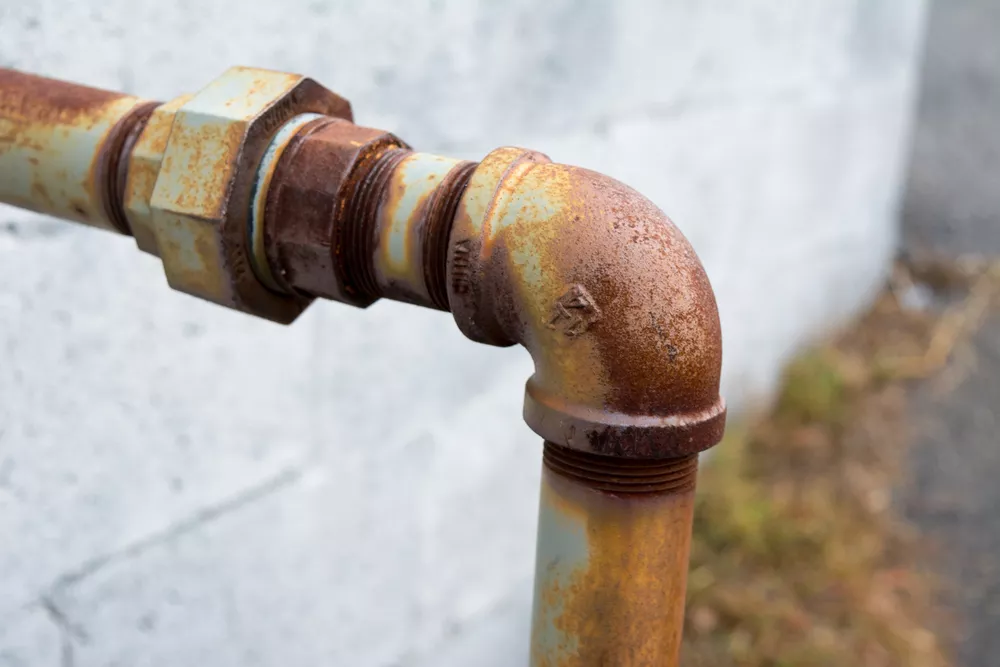
Common causes of rust in home pipes include:
High moisture exposure: Condensation, leaks, or flooding increase the likelihood of corrosion.
Aging plumbing materials: Older galvanized steel pipes are especially prone to rust.
Hard or acidic water: Water chemistry with high mineral content or low pH accelerates corrosion.
Poor maintenance: Ignoring inspections or leaving small leaks untreated allows rust to spread.
Environmental conditions: Humid basements or crawlspaces create damp environments that promote rust.
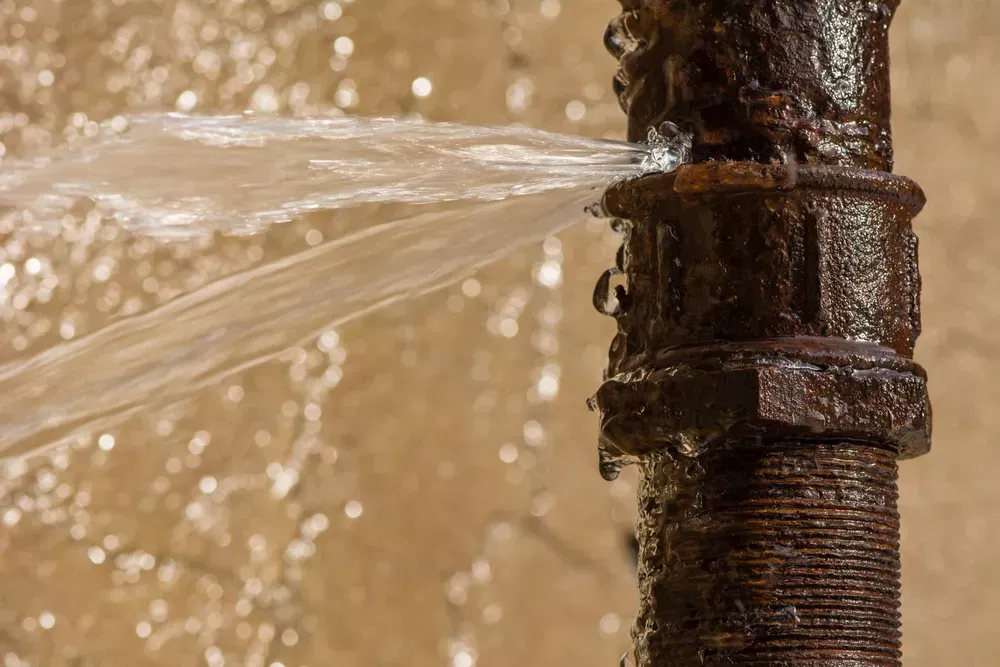
Rust matters because weakened pipes are more likely to leak or burst, which can cause costly water damage and disrupt household routines. Additionally, corroded pipes may compromise water safety and reduce the lifespan of the plumbing system. Knowing proper handling of a burst pipe ensures homeowners can respond quickly and minimize both damage and risk.
How to Inspect Pipes for Early Signs of Rust
Inspecting home pipes starts with looking for discoloration or flaking around joints, connections, and exposed metal surfaces. Pay attention to water quality, including changes in color or taste, which often signal rust formation. Observing slow drains or unusual noises may also indicate internal corrosion requiring closer evaluation.
Steps to inspect home pipes for rust include:
Check visible pipes regularly: Look for discoloration, flaking, or surface corrosion under sinks, in basements, and around water heaters.
Monitor water quality: Notice changes in color, taste, or odor that could indicate internal rust formation.
Test drains and flow: Slow drainage or frequent clogs may reveal hidden corrosion inside pipes.
Inspect joints and connections: Ensure fittings are tight and seals are intact to prevent leaks that accelerate rust.
Act quickly on small rust spots: Early intervention prevents extensive damage and prolongs the lifespan of home pipes.
Listen for unusual noises: Gurgling, banging, or dripping sounds can signal internal rust or corrosion.
Schedule periodic professional inspections: Even if everything appears fine, a licensed plumber can detect hidden rust before it becomes a serious problem.
Following proper techniques for spotting a hidden water leak helps homeowners detect issues early, ensuring safer, cleaner, and longer-lasting home pipes.
Steps to Prevent Rust in Home Pipes
Preventing rust in home pipes starts with understanding the factors that contribute to corrosion and taking practical, proactive measures. Water chemistry, seasonal maintenance, and inspections all play a role in keeping plumbing durable and water safe. Following a clear set of steps helps homeowners minimize damage and extend the lifespan of their home pipes.
Monitor water chemistry: High acidity or mineral content accelerates corrosion, so test and adjust water as needed.
Install filtration or water softening systems: These reduce exposure to harsh elements that can degrade pipes over time.
Perform seasonal maintenance: Flush water heaters and drain outdoor plumbing to remove buildup and prevent corrosion.
Apply protective coatings or corrosion inhibitors: Use these on vulnerable metal pipes to extend their lifespan.
Replace worn washers and inspect joints regularly: Prevent leaks that can lead to rust formation and water damage.
Keep pipes dry when possible: Basements, crawlspaces, and other damp areas should be monitored to reduce moisture exposure.
How Water Chemistry Impacts Pipe Corrosion Over Time
Hard water containing high levels of calcium and magnesium can form deposits that trap moisture against metal, promoting rust. Acidic water, low in pH, gradually eats away at iron and steel surfaces. Monitoring water quality and addressing imbalances preserves pipes and maintains taste, odor, and clarity for household use.
Homeowners may notice water softeners or chemical treatments reduce buildup while slowing corrosion. Periodic professional testing identifies hidden risks before they damage home pipes. Adjusting water chemistry proactively protects plumbing infrastructure and improves the lifespan of systems throughout the house.
When Is Pipe Replacement a Better Option Than Rust Prevention?
Some home pipes, especially older galvanized steel systems, may be too far gone for simple prevention strategies. Severe rust can lead to leaks, reduced water flow, and contamination that preventive measures cannot reverse. In such cases, replacing affected sections ensures reliable, safe water delivery and avoids repeated repair costs.
Modern materials like copper or PEX provide long-term durability with minimal corrosion risk. Replacing pipes also allows homeowners to integrate updated plumbing layouts or install tankless water heaters. Consulting a professional ensures that replacement addresses both current issues and future household needs.
Routine Maintenance as a Long-Term Rust Prevention Strategy
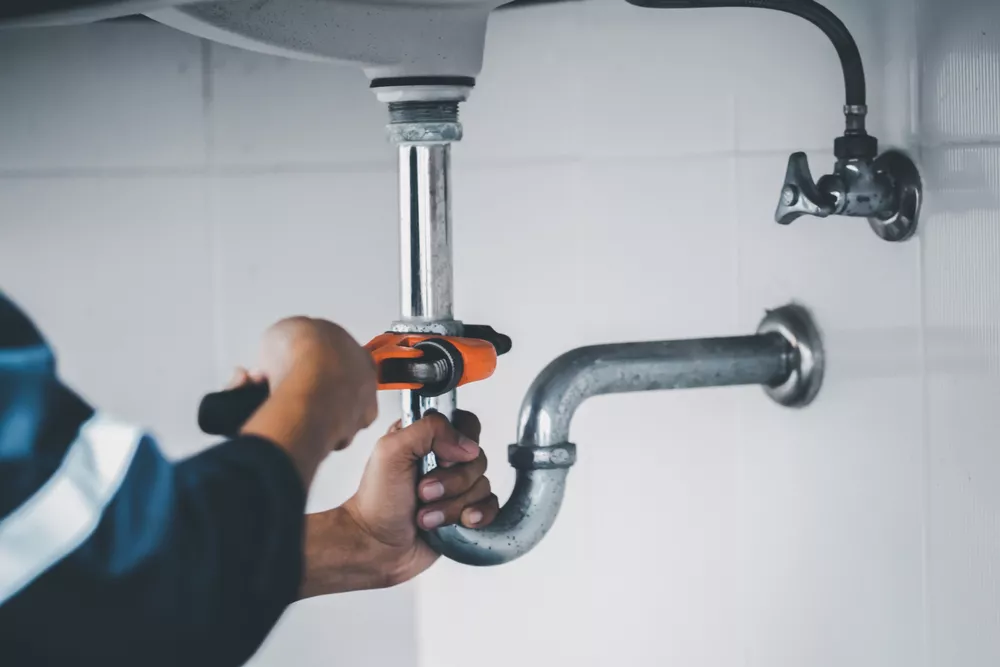
Regular plumbing inspections of home pipes help detect early signs of corrosion, leaks, or wear before they develop into costly problems. Homeowners can schedule checkups and address minor issues promptly, following guidance in regular plumbing inspections. Keeping drains clear and ensuring water heaters operate efficiently supports safe and consistent water flow.
Preventive care should cover all parts of the plumbing system, including outdoor faucets, sump pumps, and irrigation lines. Seasonal maintenance, such as flushing pipes and checking for moisture exposure, further reduces the risk of rust. This approach protects the plumbing infrastructure while maintaining clean and safe water for household use.
Integrating regular plumbing inspections, water chemistry adjustments, and ongoing maintenance provides a comprehensive strategy for long-term pipe durability. Homeowners who follow these practices extend the lifespan of their home pipes and minimize unexpected repairs. A consistent, proactive routine ensures plumbing systems remain reliable throughout the year.
Protect Your Home Pipes and Water Quality
Rust in home pipes is not only unsightly but also potentially harmful to water quality and household plumbing. Proactive inspection, understanding water chemistry, and regular maintenance reduce corrosion risks, ensuring pipes last longer and deliver safe water consistently. Homeowners who integrate these strategies gain peace of mind knowing their plumbing is reliable year-round.
Keep your home pipes rust-free and water clean. Schedule a service with Good Guys Plumbing to inspect and maintain your plumbing system today. Their experienced team provides practical guidance, transparent solutions, and dependable care for Southern Illinois homes, ensuring plumbing systems remain strong, safe, and long-lasting.
