How to Prevent Leaks From Household Plumbing Connections
Strong and reliable water systems depend on well-maintained fixtures and appliances throughout the home. Without proper care, household plumbing connections can develop slow leaks that lead to costly water damage and even mold growth. Giving these connections regular attention helps protect your property’s structure while also keeping your family safe and healthy.
Inspecting plumbing connections early allows homeowners to detect signs of wear or corrosion before they escalate into larger problems. Frequent changes in water pressure or temperature often stress pipes, making joints vulnerable to leaks. Proactive maintenance and timely repairs significantly extend the lifespan of household plumbing connections while preventing emergencies.
What Steps Help Stop Leaks Before They Start?
Preventing leaks from household plumbing connections starts with regular inspections of joints, fittings, and visible pipes. Homeowners should look for signs of corrosion, moisture, or loose fittings that could indicate developing problems. Early attention to minor issues, combined with proper tightening and maintenance, greatly reduces the risk of serious water damage.
Why Do Household Plumbing Connections Leak?
Most leaks occur at joints where two pipes meet, often due to loose fittings, worn washers, or corrosion. These weak points are especially common in older homes, where aging materials make connections more susceptible to failure. Spotting dampness, puddles, or water stains early can prevent minor issues from becoming costly repairs.

Temperature changes can cause pipes to expand and contract, leaving small gaps at the joints. In addition, sudden spikes in water pressure can strain the system, turning tiny drips into significant leaks. Keeping a close eye on household plumbing connections helps minimize the risk of unexpected damage.
Detecting leaks quickly also stops mold and mildew from spreading in hidden areas. A combination of visual checks and light pressure tests can reveal weak points before they become a problem. Ongoing monitoring ensures dependable water flow and preserves the overall efficiency of your plumbing system.
Common Household Plumbing Connection Problems
Leaks can stem from a variety of hidden issues within the home’s water system. Recognizing the most frequent problems allows homeowners to act quickly and avoid expensive repairs down the road. Addressing concerns early helps keep your plumbing reliable and efficient.
Corrosion – Aging pipes, especially galvanized ones, are prone to rust that weakens joints and fittings.
Loose fittings – Connections that are not tightened properly can slowly release water over time.
Worn-out seals – Washers and gaskets naturally degrade, creating gaps where leaks develop.
Appliance hoses – Flexible hoses behind washing machines or dishwashers may crack or deteriorate, leading to steady leaks.
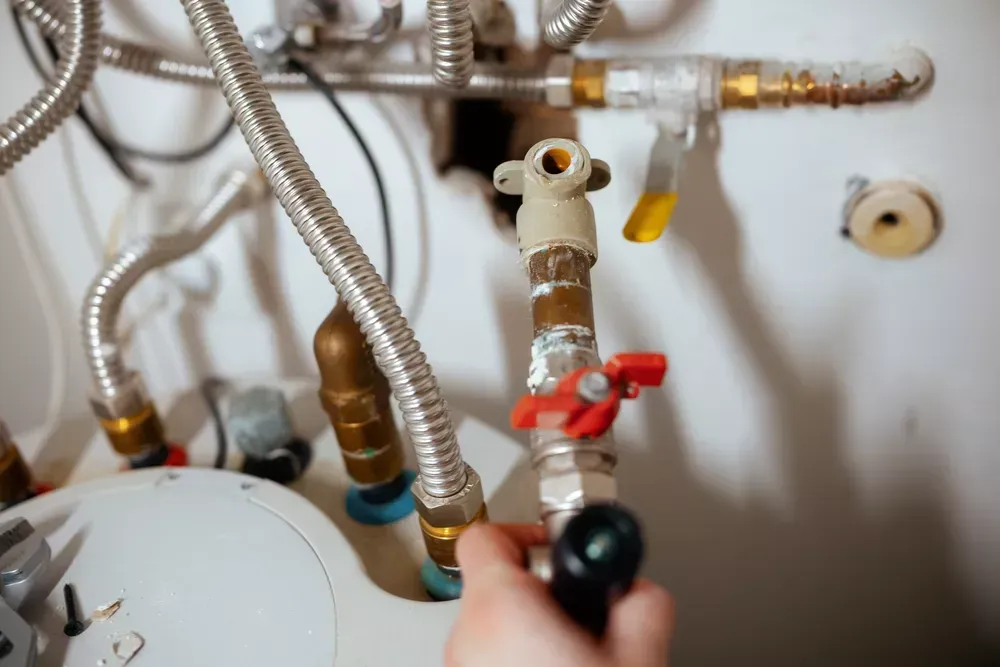
Water heaters – Supply lines and pressure relief valves can fail due to mineral buildup and frequent temperature changes.
Pinhole leaks – Small, barely visible openings can cause stains on cabinets or flooring when left unchecked.
Homeowners can reduce risks by routinely inspecting household plumbing connections and learning about the most common plumbing myths debunked, which shed light on mistakes that often lead to damage. Proactive maintenance not only prevents unnecessary costs but also protects the comfort and safety of the entire home.
How to Inspect Household Plumbing Connections for Trouble
Regular inspections begin with visually inspecting accessible pipes and connections for signs of corrosion, mineral deposits, or moisture accumulation. Gentle pressure testing can reveal hidden weaknesses without damaging pipes. Homeowners should also check under sinks, behind appliances, and near water heaters, where leaks commonly go unnoticed.
Listening for dripping sounds or noticing slight pressure changes in faucets can indicate early connection issues. When inspecting, look for rust-colored stains or water marks around threaded joints. Resources like why Good Guys Plumbing is Southern Illinois’ trusted plumber guide on common problem areas and inspection tips.
Professional evaluation may be required if connections are not easily accessible or show signs of significant deterioration. Seasonal inspections, particularly after cold winters or before spring, can identify vulnerabilities caused by temperature swings. Maintaining a consistent inspection routine helps prevent minor issues from escalating into major problems.
Maintenance Practices That Strengthen Connections
Consistent care keeps your plumbing system secure and efficient. By following a few practical steps, homeowners can prevent small issues from turning into costly repairs. These habits also extend the life of your system while maintaining steady water flow.
Tighten fittings – Periodically check and secure joints that may loosen from vibration or daily use.
Replace worn parts – Swap out washers and seals to maintain watertight protection at connections.
Flush lines – Clear sediment buildup that can corrode joints and restrict water flow.
Control water pressure – Install regulators or expansion tanks to limit stress on household plumbing connections.
Inspect hoses and appliances – Look for cracks or wear in dishwasher, washing machine, and water heater lines.
Apply efficiency practices – Incorporate tips from the role of plumbing in home energy efficiency to reduce strain and conserve resources.
Monitor temperature extremes – Protect pipes during seasonal changes by using insulation and conducting routine checks.
Check outdoor spigots – Seasonal freezing and thawing can weaken seals and cause leaks outside the home.
Clean faucet aerators – Remove mineral buildup that may put unnecessary pressure on joints and fittings.
Schedule professional inspections – A licensed plumber can spot hidden issues homeowners might miss during routine checks.
Adopting these measures ensures your system stays strong and dependable. With regular checks and preventive steps, homeowners can avoid disruptions, protect their property, and preserve peace of mind.
How Temperature and Water Pressure Affect Leak Risk
Seasonal temperature fluctuations expand and contract pipes, creating stress on threaded joints and weakening glued plumbing connections. Frozen pipes during winter often crack fittings, causing substantial leaks once thawing begins and water starts flowing again. Insulating exposed pipes in basements, attics, and exterior walls helps mitigate these risks and protect vulnerable areas.

Excessive water pressure places continuous strain on joints, loosening fittings or even bursting compromised connections over time. Monitoring household plumbing connections with a pressure gauge and adjusting regulators reduces this risk and safeguards overall system stability. Preventative measures during seasonal shifts, combined with routine inspections, ensure lasting protection and preserve household plumbing efficiency throughout the year.
When to Call a Professional for Plumbing Connection Repairs
Complex or Hidden Leaks
Tightening small fittings or replacing washers is manageable, but complex leaks demand trained professional expertise. Corroded pipes, inaccessible joints, or supply line leaks require skilled hands and specialized diagnostic tools. Attempting such repairs alone often worsens existing damage, increases costs, or risks voiding manufacturer and insurance warranties.
System-Wide Assessments
Licensed plumbers can evaluate your entire plumbing system, uncovering hidden vulnerabilities before they escalate into severe problems. They also recommend stronger materials, smarter layouts, and preventative measures that increase long-term reliability and efficiency. Scheduling periodic professional evaluations ensures household plumbing connections remain secure, functional, and ready to handle daily demands.
Preventative Confidence
Professional inspections strengthen homeowner maintenance efforts by catching overlooked issues and reinforcing good habits. Partnering with experts provides reassurance about system health and performance. Acting promptly when warning signs arise prevents unnecessary damage, expensive repairs, and stressful disruptions to everyday home life.
Keep Your Household Plumbing Connections Secure
Maintaining secure household plumbing connections protects your home from leaks, water damage, and costly emergency repairs. Simple actions, such as inspecting joints, tightening fittings, and controlling water pressure, prevent the most common leaks. Implementing these practices regularly increases confidence in your home’s plumbing reliability.
Prevent water damage by maintaining secure plumbing connections and ensuring proper installation and upkeep. If you notice persistent leaks or need guidance on inspections, schedule an expert service with Good Guys Plumbing today. Trust a locally experienced team to safeguard your home efficiently and respectfully.
