
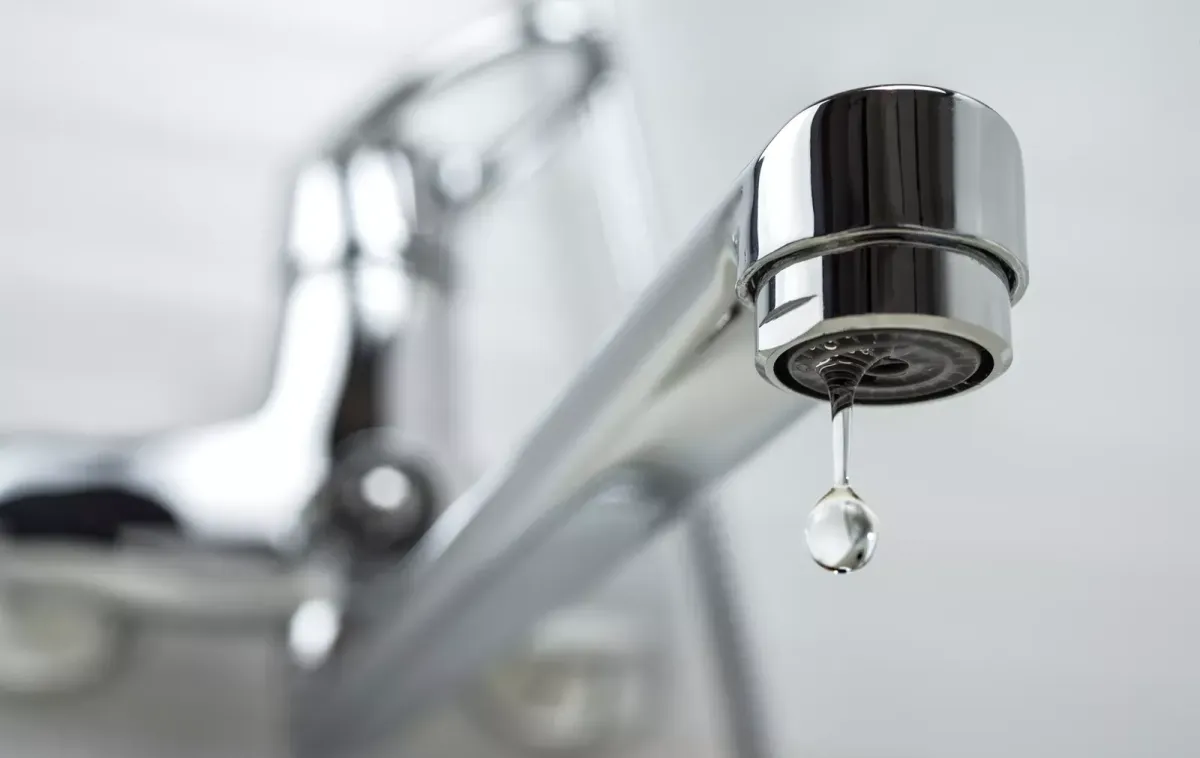
How to Fix Water Pressure Problems in Family Homes
Low water pressure can disrupt family routines, making showers feel weak and appliances work less efficiently. Water pressure problems are common in older homes and can worsen gradually, so noticing changes early is crucial. Addressing these issues promptly saves both water and frustration while protecting your plumbing from long-term damage.
Several factors can contribute to inconsistent water flow, including aging pipes, sediment buildup, or pressure-reducing valves malfunctioning. Understanding the causes helps homeowners make informed decisions before attempting repairs. Implementing both quick fixes and preventive strategies ensures your home maintains reliable water pressure year-round.
Why Is My Home Experiencing Water Pressure Problems?
Homes often experience water pressure problems due to a combination of plumbing system age, leaks, or partially closed valves. Mineral buildup in pipes and fixtures can restrict flow, creating uneven water distribution throughout the house. Identifying these factors early allows homeowners to take appropriate steps before small issues escalate into larger, costly repairs.
What Causes Low Water Pressure in Homes?
Water pressure problems often occur due to leaks, clogged pipes, or reduced supply from the city’s main line. Older homes with galvanized pipes are particularly vulnerable, since corrosion and buildup restrict water flow over time. Regular inspections help identify issues before they cause widespread disruption.

Mineral deposits in fixtures like faucets or showerheads can also restrict water movement and reduce efficiency. Hard water areas are especially prone to this issue, leading to frequent buildup in small components. Cleaning or replacing aerators often provides a quick and effective improvement.
Valves within the plumbing system may also contribute to inconsistent flow throughout the house. A pressure-reducing valve that is worn out or incorrectly set can affect multiple fixtures. Adjusting or replacing faulty valves typically restores steady water pressure across the home.
How Can Homeowners Troubleshoot Water Pressure Problems Safely?
Troubleshooting water pressure problems at home starts with careful observation and safe testing. One of the most effective first steps is learning how to read your water meter and spot leaks. This helps determine whether the issue is fixture-specific or affecting the entire household.
Step 1: Test multiple fixtures. Turn on taps in different rooms to identify whether pressure loss is isolated or widespread. Consistent drops across several fixtures often signal a supply or valve issue.
Step 2: Check aerators and showerheads. Mineral buildup frequently clogs these small components, and cleaning them often restores steady flow. Keeping fixtures clear also helps prevent recurring restrictions.
Step 3: Inspect plumbing connections. Look under sinks or behind appliances for loose fittings or corrosion, tightening gently if needed. Always shut off valves before adjusting connections.
Step 4: Review pressure regulators. A faulty or incorrectly set regulator can cause uneven water flow across the home. Minor adjustments may help, but persistent issues often require professional servicing.
Caution during these steps keeps troubleshooting safe and manageable for homeowners. Documenting each action not only tracks improvements but also provides valuable details if professional help becomes necessary. Taking small, informed steps can protect plumbing systems and reduce the risk of costly repairs.
What Role Do Fixtures and Valves Play in Pressure Issues?
Fixtures often influence household water flow, as clogged aerators, faucets, or showerheads restrict velocity and mimic water pressure problems. Regular cleaning and maintenance help prevent mineral or sediment buildup that compromises fixture performance and disrupts daily water use. Keeping fixtures clear ensures consistent flow while reducing unnecessary strain on pipes and connected plumbing systems.
Valves also play a critical role in regulating and balancing water distribution throughout the home’s plumbing system. Malfunctioning shutoff or pressure-reducing valves may restrict flow, leaving certain areas with noticeably reduced pressure and performance. Additionally, water heaters with sediment buildup reduce flow efficiency, but flushing them annually supports steady pressure and reliable heating.
When Is Professional Intervention Necessary to Restore Proper Flow?
Complex water pressure problems often require professional assessment to avoid damage to plumbing infrastructure. Hidden leaks behind walls, under slabs, or in crawlspaces are difficult to detect without specialized tools. Learning how to spot a hidden water leak ensures timely repairs and prevents costly structural damage.

Persistent low pressure after fixture and valve adjustments may indicate corroded or deteriorating pipes. Professionals can inspect, replace, or repair piping systems efficiently while minimizing disruption to daily routines. Proper expertise reduces the risk of future leaks and ensures safe, reliable water delivery.
High-demand households, such as those with multiple showers and appliances operating simultaneously, benefit from professional evaluation. Pressure-balancing solutions and pump installation may be necessary to meet modern usage requirements. Consulting a licensed plumber guarantees that upgrades meet safety and performance standards.
Preventive Measures to Keep Water Pressure Consistent
Maintaining consistent water pressure starts with preventive care that protects pipes, valves, and fixtures from avoidable damage. Simple habits, such as cleaning and inspection, go a long way toward preventing disruptive water pressure problems. Taking time for routine checks ensures reliable performance and reduces the likelihood of costly emergency repairs.
Clean aerators and showerheads regularly. Removing mineral deposits helps keep fixtures clear and water flow steady.
Inspect and test household valves. Confirm that shutoff and pressure-reducing valves are working properly to maintain balanced distribution.
Flush the water heater annually. Clearing sediment improves both heating efficiency and water flow throughout the home.
Install filtration or softening systems. Minimizing sediment buildup prevents clogs that can strain fixtures and reduce overall pressure.
Monitor the water meter for irregularities. Early detection of leaks or pressure changes allows quick intervention before problems worsen.
Preventive maintenance not only improves water flow but also extends the lifespan of plumbing systems and connected appliances. By addressing small concerns before they escalate, homeowners enjoy greater comfort, fewer unexpected repairs, and stronger household reliability. Proactive steps today protect both property value and everyday convenience for years to come.
How to Ensure Reliable Water Pressure and Protect Your Home
Homeowners should integrate routine plumbing checks into seasonal maintenance to sustain optimal water pressure. Winter freezes, spring thaws, and summer droughts can affect household supply unpredictably. Simple inspections of outdoor spigots, irrigation lines, and indoor fixtures prevent seasonal disruptions.
Being aware of changes in water flow enables quick troubleshooting before serious problems arise. Documenting pressure readings and fixture conditions ensures informed decisions about repairs and upgrades. Understanding your home’s plumbing system through guides like how to detect and fix low water pressure empowers you to maintain consistent performance.
Regular preventive practices, combined with professional consultation when needed, provide families with reliable water pressure. Consistent maintenance keeps showers invigorating, laundry efficient, and daily routines uninterrupted. Keep your showers and appliances running smoothly by contacting Good Guys Plumbing to resolve water pressure problems and optimize your home’s plumbing for lasting reliability.
