How to Care for Plumbing Systems in Older and Historic Homes
Older homes hold charm, character, and history, but their plumbing systems often need special attention. Aging pipes, outdated fixtures, and corroded connections can lead to leaks, low water pressure, and unexpected repairs. Maintaining plumbing systems ensures your home remains safe, functional, and comfortable for your family.
Many homeowners underestimate the risks posed by aging plumbing until a problem arises. Rust, sediment buildup, and weakened pipes can compromise water quality and damage surrounding structures. Routine inspections and preventive care protect both your investment and your household’s well-being.
How Should You Care for Plumbing Systems in Older and Historic Homes?
Caring for plumbing systems in older and historic homes starts with regular inspections and preventive maintenance. Watching for leaks, corrosion, and mineral buildup protects water quality and avoids costly emergency repairs. Combining cleaning, maintenance, and selective upgrades ensures reliable performance for decades.
What Makes Plumbing Systems in Older Homes Different?
Historic homes often contain galvanized steel or cast iron pipes that corrode faster than modern materials. Corrosion and mineral buildup reduce water flow and increase the risk of leaks or clogs. Understanding your home’s plumbing helps prevent emergencies and ensures consistent water delivery.

Older plumbing may not support today’s higher water demands or modern appliances. Over time, fittings and valves can loosen, creating slow leaks that often go unnoticed. Inspecting connections regularly avoids damage and keeps the system operating efficiently.
Pressure fluctuations can stress pipes and fixtures, causing breaks or leaks. Proper adjustments and maintenance ensure safe, reliable water flow without harming historic infrastructure. Keeping pipes in balance protects both your plumbing and home.
How Can You Clean and Maintain Aging Plumbing Systems?
Sediment and scale inside pipes affect flow, taste, and water quality. Flushing lines removes deposits, preventing corrosion from developing in old pipes. Regular maintenance helps keep plumbing systems functioning efficiently and safely.
Inspecting faucets, valves, and showerheads helps detect slow leaks early. Tightening loose fittings and replacing worn washers prevents water damage and extends fixture life. Regular maintenance reduces stress on older plumbing and keeps everything functioning properly.
Drain care is critical for aging plumbing systems. Mechanical clearing methods protect fragile pipes better than harsh chemicals. Using strainers or traps minimizes debris and helps prevent recurring clogs.
Modern Upgrades That Work With Historic Plumbing Systems
Upgrading historic homes requires solutions that improve performance while protecting original structures. Thoughtful modern improvements can enhance efficiency, conserve water, and extend the life of older plumbing systems. Choosing the right upgrades ensures comfort and reliability without compromising a home’s character.
Consider implementing the following modern upgrades:
Tankless water heaters deliver consistent hot water while fitting discreetly in tight spaces, increasing energy efficiency.
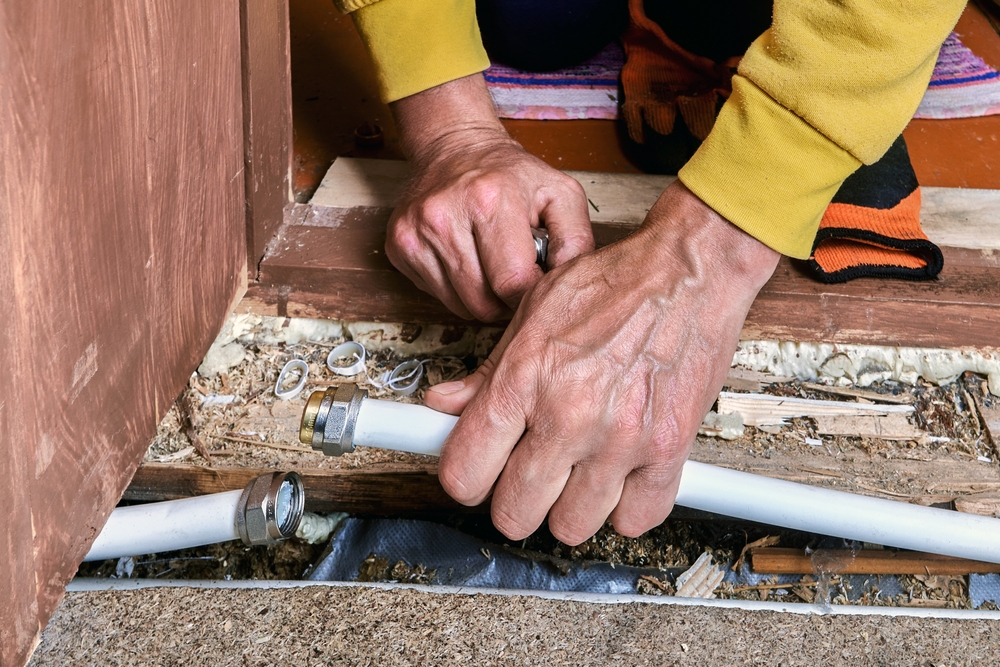
PEX or copper supply lines provide durability, flexibility, and reduced leak risk compared with older materials.
Low-flow toilets conserve water without sacrificing performance or home usability.
Efficient faucets and showerheads reduce water usage while maintaining pressure and functionality.
Water softeners prevent scale buildup, reducing stress on plumbing systems and extending fixture lifespan.
Pipe insulation protects against freezing during winter months and helps maintain consistent water temperatures.
Implementing these upgrades helps older homes remain functional and efficient for years to come. Careful planning ensures historic charm is preserved while enhancing the performance of plumbing systems.
How to Test and Improve Water Quality in Older Plumbing
Older pipes may introduce rust, sediment, or lead into household water. Regular water testing identifies contaminants and informs filtration decisions. Installing point-of-use or whole-house filters ensures safe, clean water throughout the home.
Water softeners prevent scale buildup that damages pipes and shortens appliance life. Hard water increases maintenance needs over time and reduces performance. Treating water preserves both fixtures and the plumbing system.
Monitoring water pressure protects fragile pipes. Excessive or fluctuating pressure accelerates leaks and failures. Pressure regulators and inspections help maintain a balanced, safe flow to improve water efficiency in older homes.
Preventive Strategies to Avoid Costly Repairs
Preventing major plumbing problems in older homes requires careful planning and routine maintenance. Proactive steps reduce the risk of water damage, frozen pipes, and expensive emergency repairs. Understanding your home’s plumbing system is essential to keeping everything functioning safely and efficiently.

Consider the following preventive strategies:
Insulate vulnerable pipes in crawlspaces and basements to reduce the risk of freezing during winter months.
Use drip precautions on faucets and fixtures when temperatures drop to prevent pipe bursts.
Perform seasonal inspections to identify early signs of leaks, corrosion, or weakening connections.
Test sump pumps and drainage systems before storms to ensure reliable operation and prevent flooding.
Clear debris from drains and gutters regularly to maintain proper water flow and protect foundations.
Schedule professional inspections to detect hidden issues, preserving plumbing systems and avoiding costly repairs.
Implementing these strategies helps homeowners maintain safety, efficiency, and peace of mind year-round. Regular care ensures plumbing systems remain reliable while reducing unexpected repair costs.
Maintaining Older Plumbing for Safety and Longevity
Routine care extends pipe and fixture lifespans while protecting property value. Leak monitoring, valve checks, and water treatment reduce costly emergency repairs. Careful attention ensures historic charm is preserved while keeping plumbing reliable.
Professional guidance helps match modern upgrades with period-appropriate materials. Experts recommend solutions that maintain efficiency without compromising the home’s character. Thoughtful planning minimizes risks and enhances plumbing systems for long-term reliability.
Keeping maintenance records documents inspections, repairs, and improvements. Detailed records support future renovations or resale while ensuring ongoing care. Organized documentation builds confidence and reflects responsible homeownership.
Expert Care for Historic Plumbing Systems
Older homes require thoughtful attention to plumbing systems to maintain water quality and prevent leaks. Sediment removal, corrosion prevention, and compatible upgrades safeguard the home from unexpected problems. Homeowners who invest in ongoing care enjoy reliable performance and peace of mind.
Professional guidance ensures historic plumbing systems receive thorough inspection, maintenance, and safe upgrades. Good Guys Plumbing specializes in inspecting, maintaining, and upgrading older plumbing systems for long-term safety and reliability. Contact us today to schedule a consultation with a trusted, community-focused team.
