How Plumbing Issues Affect Home Insurance Claims
Plumbing problems can quickly escalate, causing costly repairs and unexpected insurance complications for homeowners. Water damage from leaks, pipe bursts, or clogged drains often triggers detailed insurance reviews, and coverage may depend on timely maintenance. Understanding how certain plumbing issues affect your policy helps protect your home and family from financial strain.
Many homeowners assume insurance automatically covers all water-related damage, but policies often have exclusions. Neglected plumbing problems, especially in older homes, may reduce claim eligibility or result in denied claims. Learning which issues matter most allows homeowners to act proactively and maintain comprehensive coverage.
How Do Plumbing Issues Affect Home Insurance Claims?
Plumbing issues create both immediate and long-term risks that can impact insurance coverage. Insurers generally cover sudden damages like a burst pipe, but may deny claims caused by ongoing neglect. Addressing leaks, clogs, or failing systems promptly helps ensure policies respond appropriately when problems occur.
How Do Plumbing Issues Influence Insurance Coverage?
Insurance policies often distinguish between sudden, accidental damage and gradual wear or neglect. Insurance usually covers a burst pipe or unexpected leak, while it often excludes long-term problems caused by poor maintenance. Regular inspections and timely repairs help demonstrate responsible care, which insurers take into account when reviewing claims.
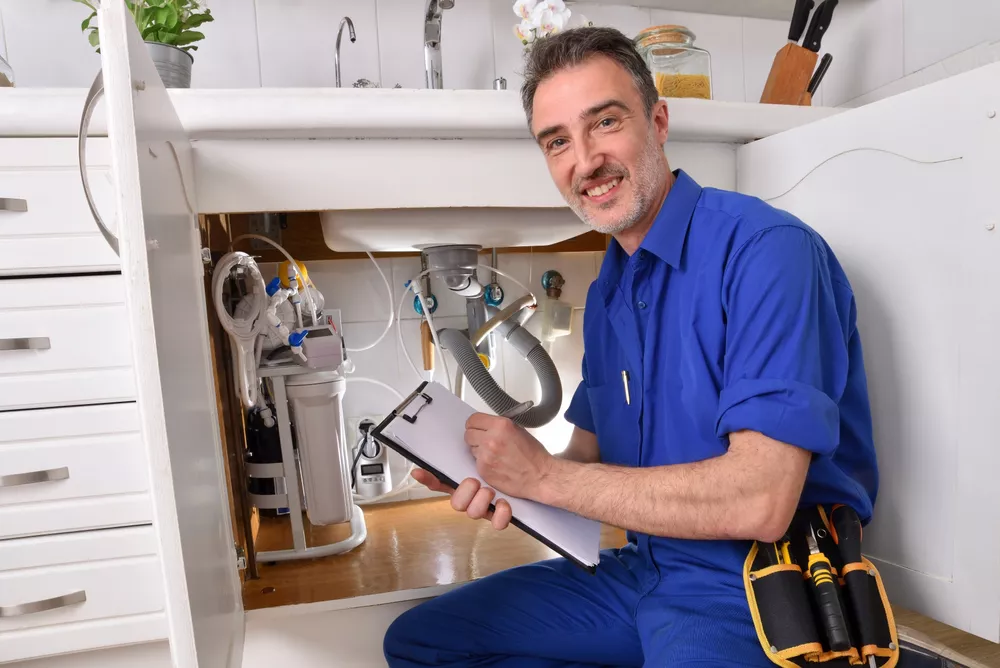
Policy details also outline limits and conditions that can be difficult for homeowners to interpret. Understanding these requirements and keeping plumbing systems in good condition increases the likelihood of a successful claim. Documenting inspections and repairs provides evidence of proper upkeep, helping prevent disputes related to plumbing issues.
What Documentation Is Needed for a Plumbing-Related Claim?
Insurance companies require clear proof to verify plumbing-related claims. Organized documentation shows you have taken responsible steps to maintain your home. Having the right records available can prevent delays or disputes during the claims process.
Important documents to keep include:
Receipts for plumbing repairs, maintenance, or replacement parts
Professional service reports detailing inspections or completed work
Photographs or videos of damage and repair progress
Certified evaluations or inspection summaries from licensed plumbers
Detailed repair or installation reports for major system updates
A plumbing maintenance checklist tracking routine checks and preventive care
Keeping these documents in a digital or physical folder makes it easier to provide evidence when needed. Thorough records of plumbing care demonstrate diligence, protect insurance eligibility, and ensure claims related to plumbing issues are processed more smoothly.
How Proactive Maintenance Prevents Claim Complications
Addressing small leaks or corrosion early prevents larger problems that could jeopardize coverage. Seasonal pipe inspections help reduce risks like frozen pipes during winter. Consistent attention to plumbing keeps systems reliable and insurance claims more straightforward.
Regular maintenance extends the life of plumbing while minimizing costly emergencies. Scheduling inspections for water heaters, sump pumps, and sewer lines ensures problems are caught before they escalate. Following professional guidance helps avoid disputes over whether damage resulted from neglect.
Even slow drains or dripping taps can develop into significant water damage if left unchecked. Homeowners who recognize the dangers of ignoring small plumbing issues are better prepared to protect coverage. Preventive care shows responsibility and strengthens claim eligibility.
Which Plumbing Issues Are Most Often Excluded from Insurance Policies?
Homeowners often assume all water damage is covered, but many insurance policies exclude specific plumbing issues. Understanding these exclusions is key to preventing unexpected expenses and protecting your home. Reviewing your policy carefully helps ensure you know where additional coverage may be necessary.
Gradual Leaks and Corrosion
Insurance typically does not cover damage from slow leaks or long-term corrosion. These problems are considered preventable with regular maintenance and timely repairs. Addressing small signs early prevents claim denials and costly structural damage.
Sewer Backups and Foundation Leaks
Sewer backups, foundation leaks, and related problems often require special policy riders. Homeowners may end up paying for extensive repairs themselves without additional coverage. Adding endorsements where needed helps reduce financial risk.
Aging Pipes in Older Homes
Older homes may contain outdated materials or hidden corrosion that raise insurance concerns. Evaluating pipe condition and replacing compromised systems lowers the chances of denied claims. Regular inspections address vulnerable areas before they lead to major issues.
Understanding common exclusions allows homeowners to prioritize maintenance and adjust policies when necessary. By staying proactive, families can safeguard both their property and their insurance eligibility, especially when it comes to plumbing issues. Prevention and preparation remain the strongest tools for protecting against unexpected repair costs.

When Should Homeowners Involve Professionals to Protect Insurance Eligibility?
Hiring licensed plumbers at the first sign of trouble safeguards insurance coverage and protects home value. Emergency services can stop damage from escalating while also providing professional documentation. Early involvement shows diligence and strengthens your position during insurance claims.
Homeowners should involve professionals when:
A pipe bursts, leaks, or clogs cause sudden water damage.
Emergency plumbing support is required to stop immediate risks.
Inspectors conduct routine inspections to confirm system condition and compliance.
Upgrades or replacements are necessary for outdated or corroded pipes.
Documentation is required for insurance claims or proof of maintenance.
Persistent or recurring plumbing issues raise concerns about long-term damage.
Engaging experts ensures plumbing systems operate safely and meet policy requirements. Their reports provide useful evidence for claims, and their repairs prevent repeat problems. Professional care not only protects insurance eligibility but also gives homeowners peace of mind.
Protect Your Home and Insurance Coverage
Understanding how plumbing issues impact insurance claims empowers homeowners to prevent costly disputes. Proactive maintenance, thorough documentation, and timely repairs are essential for claim success. Monitoring pipes, drains, and water systems helps maintain both home integrity and policy compliance.
Avoid claim disputes by addressing plumbing issues early. Schedule a service with Good Guys Plumbing to maintain your system, document repairs, and safeguard your home insurance coverage. Their experienced, local team provides reliable guidance tailored to Southern Illinois homes, ensuring your property remains protected.
