How Can You Detect Plumbing Problems in Crawl Spaces?
Hidden beneath many Southern Illinois homes, crawl spaces often conceal plumbing problems that quietly worsen over time. Because these areas remain out of sight, minor leaks or damaged pipes may continue unnoticed for months. As a result, early awareness helps homeowners reduce water damage risks and avoid costly structural repairs.
Older homes face added challenges since aging materials, shifting soil, and seasonal moisture changes strain below-floor plumbing. Meanwhile, limited airflow and poor lighting make inspections easy to delay. However, understanding what to watch for empowers homeowners to protect their property confidently.
Why Crawl Space Plumbing Problems Are Often Hidden
Plumbing problems in crawl spaces often go unnoticed because pipes sit below flooring, behind insulation, and near foundation walls. Limited visibility and poor lighting make slow leaks easy to miss until moisture spreads into structural materials. Regular visual checks help homeowners catch early warning signs before damage reaches living areas.
What Plumbing Problems Are Most Common in Crawl Spaces?
Crawl spaces often hide plumbing problems that can quietly worsen if not addressed. Homeowners may not notice leaks or damage until moisture spreads to flooring or structural supports. Early awareness helps prevent costly repairs and protects the home’s overall integrity.

Common issues found in crawl spaces include:
Leaking supply lines: Even slow drips can saturate soil, increase humidity, and weaken wooden supports over time.
Drain line failures: Cracks or loose connections allow wastewater to escape gradually, often causing unpleasant odors or dampness.
Corroded pipes: Metal pipes can rust or flake, weakening walls and increasing the risk of sudden leaks.
Loose or damaged fittings: Joints may loosen over time due to shifting soil or freeze-thaw cycles, leading to leaks.
Rodent damage: Animals sometimes chew pipe insulation or flexible tubing, creating moisture problems and potential contamination.
Clogged or blocked lines: Debris, sediment, or root intrusion can slow drainage and increase pressure on joints and pipe walls.
Addressing these common crawl space issues promptly prevents them from escalating into major emergencies. Regular inspections help maintain a safe, dry, and reliable plumbing system for your home.
How Can Homeowners Safely Access Crawl Space Plumbing Problems?
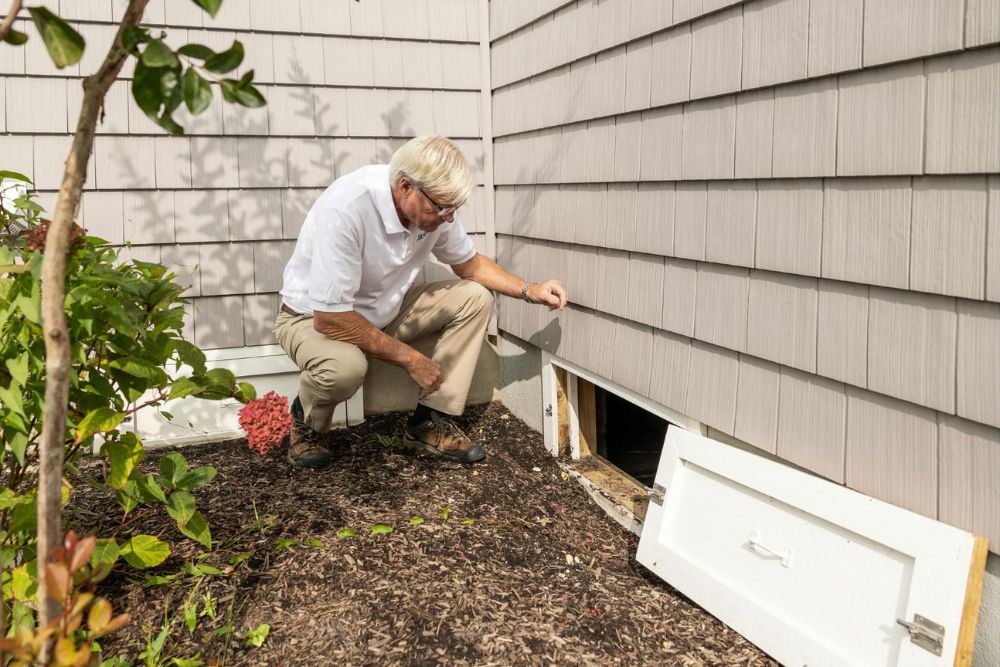
Preparation remains essential before entering any crawl space for inspection. Protective gloves, sturdy clothing, and a reliable flashlight reduce exposure to hazards. Additionally, checking for standing water or unstable ground prevents injuries.
Crawl spaces should never be entered during flooding or immediately after heavy rain. Wet conditions increase electrical, slip, and structural risks significantly. Therefore, inspections should always wait until the area is dry and stable.
During inspection, attention should focus on exposed pipes, fittings, and shutoff valves. Discoloration, corrosion, or mineral buildup often reveal early plumbing problems. Meanwhile, listening for dripping sounds may uncover leaks hidden behind insulation.
What Signs Indicate Leaks, Corrosion, or Damage Below Your Home?
Hidden plumbing problems in crawl spaces often reveal themselves through subtle clues before major damage occurs. Homeowners who know what signs to watch for can prevent costly repairs and maintain a safe, dry home. Early detection ensures issues are addressed before they affect living areas or structural components.
Common indicators include:
Pooled or damp soil beneath pipes: Even small amounts of water can encourage mold growth and weaken wood supports.
Rust or flaking on metal pipes: Corrosion reduces pipe strength and increases the likelihood of sudden leaks.
Greenish stains on copper piping: These discolorations often indicate ongoing water exposure or chemical reactions in the pipe.
Reduced household water pressure: Slow flow may point to leaks diverting water away from fixtures, so homeowners should detect and fix low water pressure promptly.
Musty odors or mold growth: Persistent smells often signal hidden moisture or pipe leaks within the crawl space.
Loose or damaged pipe joints: Shifting soil or aging connections can create small leaks that worsen over time.
Noticing these warning signs early allows homeowners to mitigate problems before they escalate. Regular crawl space checks help maintain a reliable plumbing system and reduce the risk of emergency repairs.
How Do Humidity and Ventilation Contribute to Plumbing Problems?
Excess humidity accelerates plumbing problems by encouraging condensation and corrosion. Moist air also supports mold growth on surrounding wood and insulation. Therefore, moisture control remains critical for crawl space health.
Poor ventilation traps damp air throughout the year, especially during humid Southern Illinois summers. Condensation may form even when pipes are intact. As a result, homeowners may mistake moisture damage for unrelated issues.
Basic moisture management helps reduce long-term risk, including keeping vents clear and directing surface water away from foundations. Spring rains increase pressure on sump systems and drainage. Awareness of the dangers of ignoring small plumbing issues highlights how moisture concerns can escalate quickly if left unresolved.

Why Regular Crawl Space Checks Prevent Plumbing Problems
Routine crawl space inspections allow homeowners to identify plumbing problems before emergencies occur. Seasonal checks reveal changes in moisture levels, odors, or pipe conditions. Consequently, small fixes prevent larger disruptions.
Crawl space plumbing supports essential systems like water heaters and main drains. Ignoring minor concerns increases the risk of sudden failure during peak demand. Therefore, consistent monitoring protects daily comfort and safety.
Many plumbing emergencies stem from undetected crawl space issues. Being aware of potential problems and preparing for a plumbing emergency reinforces the importance of regular inspections and vigilance. Ultimately, consistent checks preserve long-term home reliability.
Protecting Your Home Starts Below the Floor
Crawl spaces may stay hidden, but plumbing problems beneath homes demand attention and understanding. Moisture buildup, corrosion, and damage often progress quietly until visible symptoms appear upstairs. Therefore, informed inspections play a vital role in protecting both structure and indoor air quality.
Crawl space plumbing problems can escalate quickly if left unnoticed, especially in older Southern Illinois homes. Good Guys Plumbing has been helping families protect their homes through careful inspections and reliable repairs since 1974. Contact us today to schedule expert service and gain peace of mind knowing experienced professionals are looking out for your home.
