Home Plumbing Inspection Tips After Purchase
Purchasing a new home comes with excitement, but ensuring the plumbing system functions properly is essential for long-term comfort. Conducting a thorough home plumbing inspection immediately after moving in helps prevent leaks, water damage, and unexpected repair costs. New homeowners benefit from understanding their water lines, shutoff valves, and common trouble spots to protect their investment.
Many families overlook routine plumbing checks, yet simple inspections can save significant time and money down the line. Detecting small leaks or pressure issues early reduces the risk of costly repairs later. Homeowners who prioritize preventive care gain peace of mind while maintaining a safe and efficient household.
What Does a Home Plumbing Inspection Entail?
A proper home plumbing inspection involves checking main water lines, shutoff valves, and common fixtures for leaks, pressure issues, or visible damage. Testing faucets, toilets, and water heaters ensures everything operates smoothly while reducing the chance of hidden problems. Reviewing past maintenance records provides insight into prior repairs and helps guide proactive care for your plumbing system.
Home Plumbing Inspection: Checking Main Water Lines and Shutoff Valves
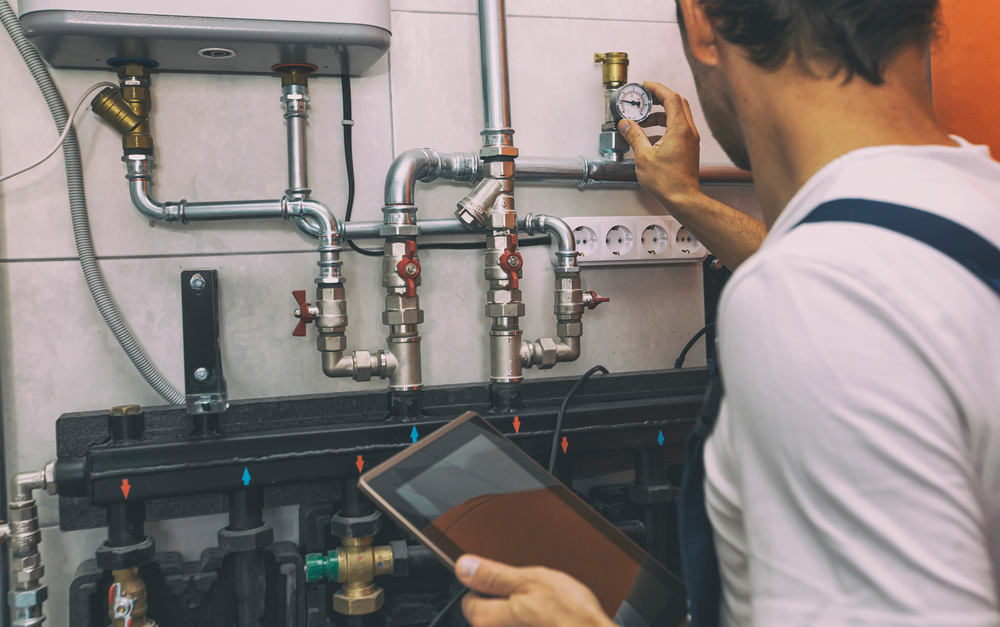
Start by inspecting the main water supply for leaks, corrosion, or irregular pressure readings. Smoothly operating shutoff valves allow immediate action during unexpected emergencies. Regularly checking these valves ensures quick response and protects homes from costly flooding or pipe failures.

In addition to the main line, secondary shutoff points, such as those for bathrooms or appliances, need careful evaluation. Testing each valve ensures proper operation and reduces stress during unexpected leaks. Performing regular plumbing inspections saves money by preventing minor issues from developing into costly repairs over time.
Reviewing past maintenance records clarifies the history of repairs, replacements, or recurring issues. This background information guides informed decisions during a home plumbing inspection or preventive upgrades. Families gain confidence that the plumbing system remains reliable and safe.
Inspecting Bathrooms, Kitchens, and Basements
High-use areas often experience the earliest signs of wear, such as leaky faucets, slow drains, or hidden moisture damage. Inspecting under sinks and behind appliances helps detect corrosion or water buildup that could lead to mold. Properly maintaining showers and tubs plumbing by checking for loose fittings and regular upkeep extends the lifespan of these fixtures.
Kitchen plumbing involves evaluating sinks, dishwashers, and garbage disposals for consistent flow and proper drainage. Performing a home plumbing inspection helps identify unexpected clogs or weakened seals before they become serious problems. Properly maintaining these areas ensures efficient water use and prevents damage to cabinetry and flooring.
Basements and utility rooms often hide plumbing issues, including sump pumps, water heaters, and exposed pipes. Checking for water accumulation, cracks, or pressure fluctuations identifies early warning signs. Applying techniques for inspecting home plumbing before selling helps homeowners spot hidden problems before they become emergencies.
Home Plumbing Inspection: Testing Water Pressure and Detecting Hidden Leaks
Measure water pressure at various fixtures to identify irregularities that may signal leaks or blockages. Low pressure often points to pipe corrosion or partial clogs requiring professional attention. Higher-than-normal pressure can strain fittings and shorten appliance lifespans.
Listen for subtle dripping sounds or signs of moisture behind walls and ceilings. Hidden leaks frequently develop in older homes or behind fixtures that rarely receive direct inspection. Early detection through a thorough home plumbing inspection prevents water damage, structural concerns, and mold growth.
Advanced tools, like moisture meters or thermal imaging, assist in locating leaks concealed within walls or floors. Homeowners can complement these findings with routine visual checks of accessible pipes. Combining both approaches ensures a comprehensive understanding of the plumbing system’s condition.
Reviewing Plumbing Maintenance Records
Maintaining accurate plumbing records is an important part of ensuring your home’s system continues to function efficiently. A thorough home plumbing inspection is more effective when paired with a clear understanding of past maintenance history. This approach helps homeowners address issues proactively and avoid unexpected problems.

When reviewing plumbing maintenance records, consider the following key points:
Document past repairs and upgrades to identify patterns and anticipate potential future issues.
Track service dates for water heaters, sump pumps, and main lines to prevent unexpected failures.
Prioritize inspections based on historical problems to focus on areas most likely to need attention.
Maintain detailed records for budgeting purposes to plan for upcoming maintenance or replacements.
Use records to communicate effectively with professional plumbers and ensure interventions address root causes.
Keeping thorough maintenance records provides peace of mind and helps households make informed decisions about ongoing plumbing care. This proactive approach supports long-term reliability and protects your home’s plumbing system from preventable issues.
Scheduling Professional Inspections
Regular professional evaluations are essential for identifying plumbing issues that may be missed during routine homeowner checks. A thorough home plumbing inspection ensures even hidden problems are detected early, protecting your home and family. Scheduling inspections provides guidance on maintenance priorities and long-term system reliability.
When planning professional plumbing inspections, consider these key actions:
Hire licensed plumbers who use cameras, pressure tests, and detailed assessments to uncover hidden corrosion or leaks.
Obtain a comprehensive inspection report to guide future maintenance, repairs, or system upgrades.
Schedule periodic inspections to maintain optimal operation of water lines, valves, and drains.
Ask for tailored recommendations such as fixture upgrades or water treatment solutions suited to your household needs.
Use preventive inspections to save time and money by addressing minor issues before they become major problems.
Professional inspections offer peace of mind, ensuring the plumbing system operates efficiently and safely. Taking a proactive approach supports the long-term health of your home’s plumbing and reduces unexpected repair costs.
Protecting Your Home With a Comprehensive Home Plumbing Inspection
Conducting a thorough home plumbing inspection after purchase ensures your family’s safety, protects property value, and avoids costly repairs. Focusing on main water lines, shutoff valves, high-use areas, and hidden leaks provides a clear understanding of system health. Keeping accurate maintenance records strengthens future decisions regarding repairs and upgrades.
Investing time in professional inspections complements DIY checks, offering reassurance that every pipe, valve, and fixture functions properly. Routine evaluations, coupled with preventive maintenance, extend the lifespan of your plumbing and prevent unexpected emergencies. Contact Good Guys Plumbing for a complete home plumbing inspection to safeguard your investment and enjoy reliable, leak-free plumbing.
