How Efficient Plumbing Saves Money
Every household pays for water twice, once through the utility bill and again through the energy it takes to heat that water. An inefficient plumbing system drives up both numbers at the same time, often without the homeowner ever tracing the increase back to its actual source. The bill simply looks a little higher than expected, month after month, with no obvious explanation attached.
Efficiency changes that math in a lasting way. A system that uses less water, holds pressure at a stable level, and runs without hidden leaks pays for itself month after month rather than through a single dramatic savings event. The savings rarely show up as one large number, they build quietly across every billing cycle instead.
Why Efficiency Affects Two Bills at Once
Water and energy costs move together more closely than most homeowners realize. Every gallon of hot water a fixture wastes costs money twice, once for the water itself and once for the energy used to heat it. A leak in a hot water line wastes both resources at the same time, every hour it goes unnoticed, which means a single overlooked drip can quietly inflate two separate utility bills at once.
Smart plumbing helps save money on rising electric bills precisely because it targets this overlap. Fixing a leak or upgrading an inefficient fixture reduces water use directly, and that same fix lowers energy use as a side effect, since less hot water means less energy spent heating it. A household rarely needs to address the two costs separately, since most fixes that help one also help the other.
Efficiency Gains in Older Homes
Older homes tend to carry more hidden inefficiency than newer construction, simply because original fixtures and pipe layouts predate current water-saving standards. That gap between old and new performance often costs more than homeowners expect once it gets measured against a modern system. A home built decades ago may still run its original fixtures without anyone realizing how much more water they use compared to current models.
Families who improve water efficiency in older homes usually see the biggest early gains from leak repairs and fixture swaps, before any larger system changes even enter the conversation. Small corrections in an older system often deliver savings disproportionate to their cost, since the baseline inefficiency was higher to begin with. A single toilet or showerhead swap in an older home can sometimes outperform a much larger upgrade attempted in a newer one.
How Hard Water Quietly Raises Costs
Hard water adds its own layer of inefficiency. Mineral deposits build up inside pipes and fixtures over time, which restricts flow and forces a system to work harder. Most households never connect this to water quality; they just notice slightly weaker pressure and slightly longer wait times.
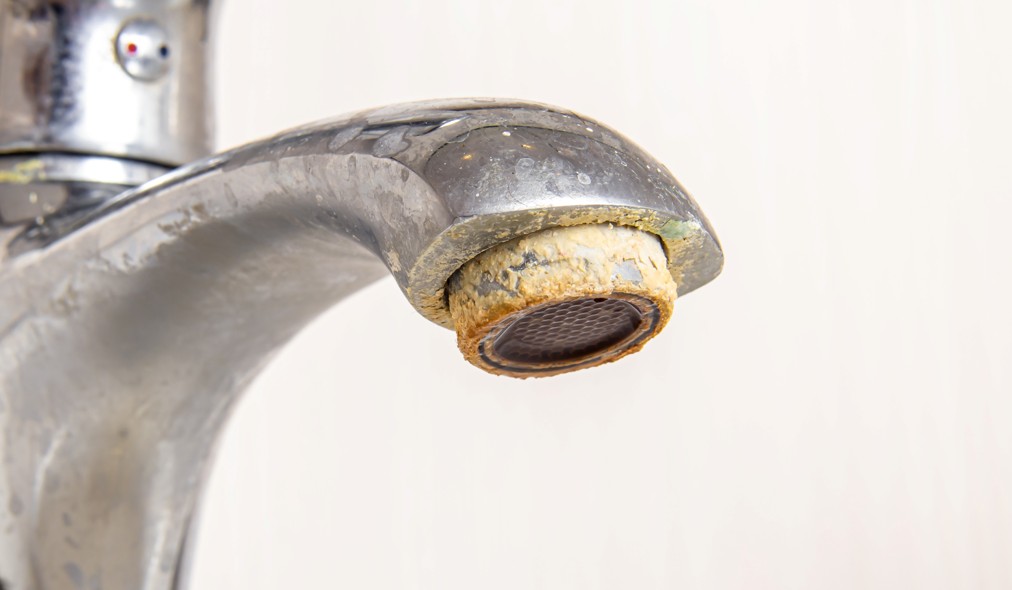
Treating the water solves the problem at its source. Once mineral buildup stops working against the system, water heaters and appliances run more efficiently and last longer, which means fewer early replacements down the line.
Preventive Care as a Savings Strategy
Efficiency rarely stays constant without attention. A system that runs well today can develop small leaks, pressure issues, or sediment buildup over the following year, each of which chips away at the savings a household worked to establish in the first place. A few signs tend to show up before those savings start to slip:
A water bill that creeps up without any change in household habits
Pressure that feels slightly weaker than it did a few months ago
A faucet or fixture that takes longer to reach full temperature
Small drips that seem too minor to bother fixing right away
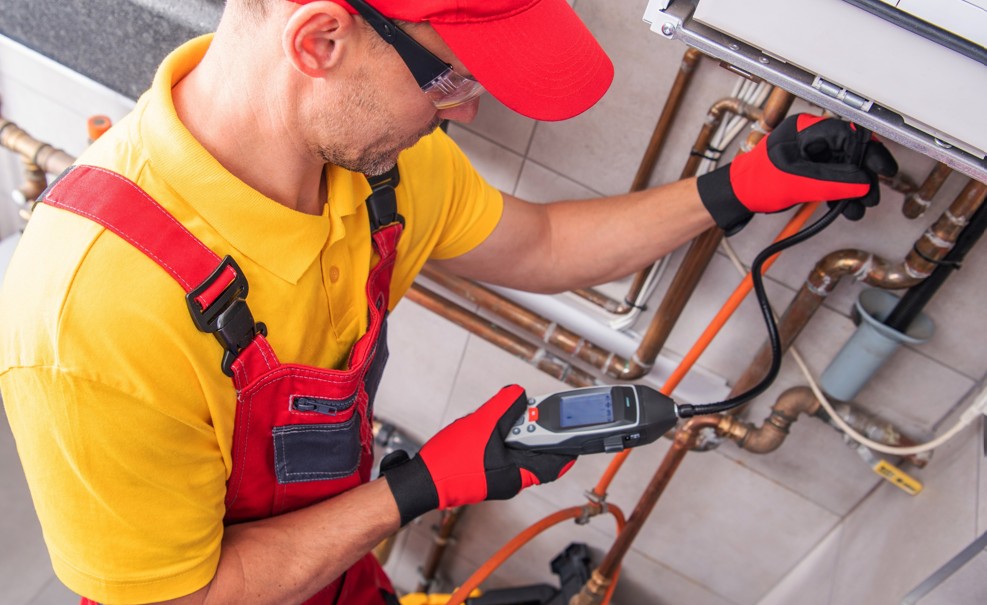
Regular plumbing inspections save money because they catch these small changes before they grow into larger ones. An inspection that costs far less than a repair can identify a slow leak or a failing valve months before either would have shown up as a noticeable jump in a utility bill.
Turning Short-Term Fixes into Long-Term Savings
A single repaired leak saves money, but the real payoff comes from treating efficiency as a habit, not a one-time project. Systems drift back toward inefficiency the same way they drifted into it, so upgrades only hold their value with continued attention.
Scheduled maintenance keeps that drift from happening unnoticed. A household that checks its plumbing regularly, rather than waiting for a bill spike, keeps its savings intact year after year instead of losing ground back to old inefficiencies.
Efficient plumbing pays for itself in a way that compounds rather than fades. Water and energy savings work together every month. Good Guys Plumbing has helped Southern Illinois homeowners see how upgrades pay for themselves for decades. See how upgrades pay for themselves before another billing cycle passes.
